EcoFlow
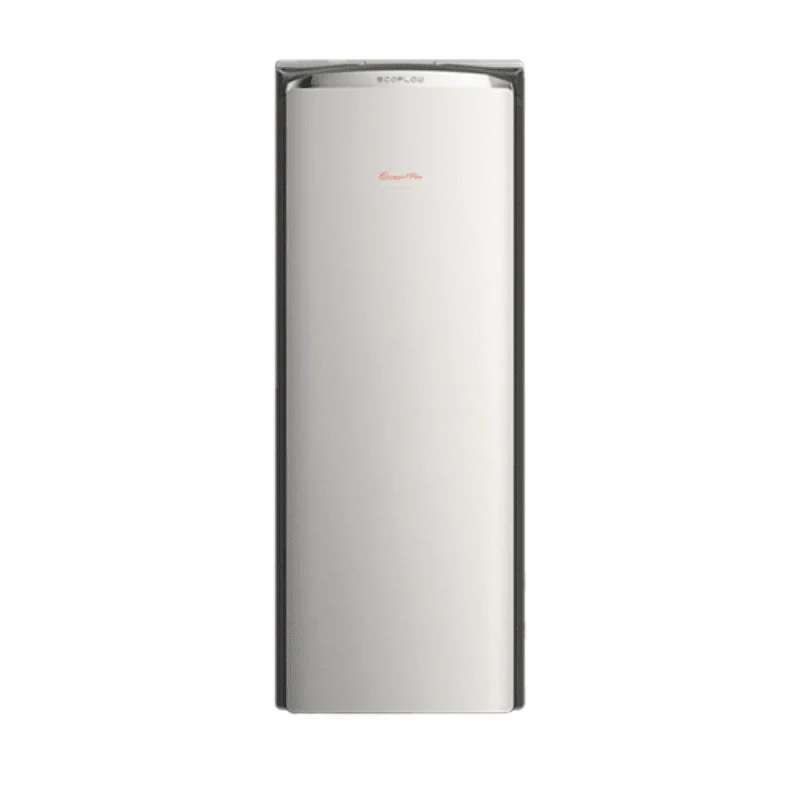
EcoFlow OCEAN Pro
EcoFlow's 2026 leap from portable stations into permanently-installed storage, and on paper it's a monster: 10kWh IP67 modules stacking to 80kWh per inverter, a hybrid inverter platform rated to 24kW output with 205A LRA motor-start, 40kW of solar input, an integrated Smart Electrical Panel 40 and 11.5kW EV charger, plus a 15-year warranty that beats everyone except Enphase's on paper. Pricing is quote-only through certified installers - the price shown is an estimated installed starting system (inverter + battery + smart panel) based on early published system ranges; treat it as directional, not gospel. Because it launched this year, real owner history is thin: early impressions praise the AI-driven time-of-use optimization and the whole-ecosystem integration, while the obvious cautions are a brand-new installer network, unproven long-term support for installed products from a portable-power company, and unknown service logistics.
Specifications
Highlights
What owners like
- ✓Massive scalability: 10-80kWh per inverter, up to 24kW output
- ✓205A LRA start rating exceeds even Powerwall 3's 185A
- ✓15-year warranty on LFP modules with 6,000-cycle cells
- ✓IP67 modules with self-heating - true all-climate outdoor rating
- ✓Integrated smart panel + 11.5kW EV charger consolidates three products
- ✓40kW solar input headroom future-proofs large arrays
Common complaints
- ✗Quote-only pricing with little published data - hard to comparison-shop
- ✗Brand-new 2026 platform: essentially no long-term owner track record
- ✗Certified-installer network still being built out
- ✗EcoFlow's installed-product support is unproven versus incumbents
- ✗Surge specs beyond LRA rating not yet published
Owner Insightssummarized from Reddit and owner forums
The OCEAN Pro is EcoFlow betting that the company that won the portable power station wars can leapfrog the home battery incumbents, and the spec sheet is legitimately shocking: 24kW of continuous output with a 205A motor-start rating - a full 5-ton-AC-plus-well-pump load that would need two or three of anyone else's units - plus 40kW of solar input, IP67 modules stacking to 80kWh per inverter, an integrated smart electrical panel, and an 11.5kW EV charger, all under a 15-year warranty. Early buyers are exactly who you would guess: spec-driven early adopters, EV households who like one vendor owning the whole panel-to-charger chain, and people whose Powerwall quotes required multiple units just to hit their surge numbers.
Ownership evidence is honest-to-goodness thin - the system started installing in 2026, so there are no year-three reliability reports, period. What exists is encouraging on the hardware and mixed on the company: a core package of inverter, 10kWh battery, and Ocean Smart Electrical Panel lists at $11,445 in hardware, with real installed quotes running well into the high teens once labor and permitting land. The cautionary tales come from EcoFlow's adjacent products, and forum veterans cite them constantly: a Smart Home Panel 2 that failed within a week of installation and left half a house unpowered, and a Delta Pro Ultra backup fault that sat with EcoFlow R&D for two months until a social-media escalation produced a replacement in days. The app and AI-driven time-of-use optimization draw early praise; the installer network is visibly still being recruited.
This one is for early adopters with a high risk tolerance and a genuine need for the power number - if 24kW and single-vendor EV-plus-panel integration solve your actual problem, nothing else does it in one system. Everyone else cross-shops the proven alternatives: Powerwall 3 for value and track record, FranklinWH for whole-home architecture with a real dealer network, Enphase for the other 15-year warranty backed by a decade of honoring claims. The forum consensus on brand-new platforms applies squarely here: generation-one buyers are the extended QA team, and the discount for that role should show up in your quote.
What owners like
- +24kW continuous from one inverter - more than double a Powerwall 3, ending the two-battery-for-power conversation
- +Published hardware pricing exists: inverter, 10kWh module, and Ocean Smart Electrical Panel listed at $11,445 - unusual transparency for quote-only rivals
- +97.5 percent direct solar-to-home efficiency matches the best inverters sold
- +205A locked-rotor start handles well pumps and 5-ton compressors that fault lesser systems
- +Compact modules: installers report fitting two OCEAN Pro stacks in the wall space one competitor cabinet needs
- +Native smart panel, 11.5kW EV charger, and 40kW solar input from one vendor kills the integration-finger-pointing problem
- +IP67 battery modules out-rate the IP65 norm - full outdoor siting with real submersion-grade sealing
- +15-year warranty ties Enphase for longest coverage and beats Tesla and FranklinWH by five years
Common complaints
- −The installed base is months old - nobody can tell you how this system behaves in year three, and owners say so themselves
- −EcoFlow's support history on installed gear worries forum veterans: one Smart Home Panel 2 owner had it fail within a week, leaving half the house dark
- −Another Delta Pro Ultra owner's backup fault sat with R&D for two months and was fixed only after social-media escalation
- −The certified installer network is being built in real time - many regions have exactly zero options
- −Final installed quotes remain opaque; the hardware list price tells you little about what your market's labor adds
- −A portable-power company's firmware-update cadence now controls your house wiring - update anxiety is a real theme
- −Heavy ecosystem lock-in: panel, EV charger, and battery all speak EcoFlow, so leaving means replacing everything
- −Resale and insurance treatment of a brand-new installed-storage brand is untested
Common Questions
How much of my house can the OCEAN Pro actually run?
What does an installed system cost?
Is EcoFlow reliable enough to trust with my home's power?
Does it work with my existing solar panels?
Can it charge my EV during an outage?
OCEAN Pro or Powerwall 3 - how do owners frame the choice?
Related units
More from EcoFlow →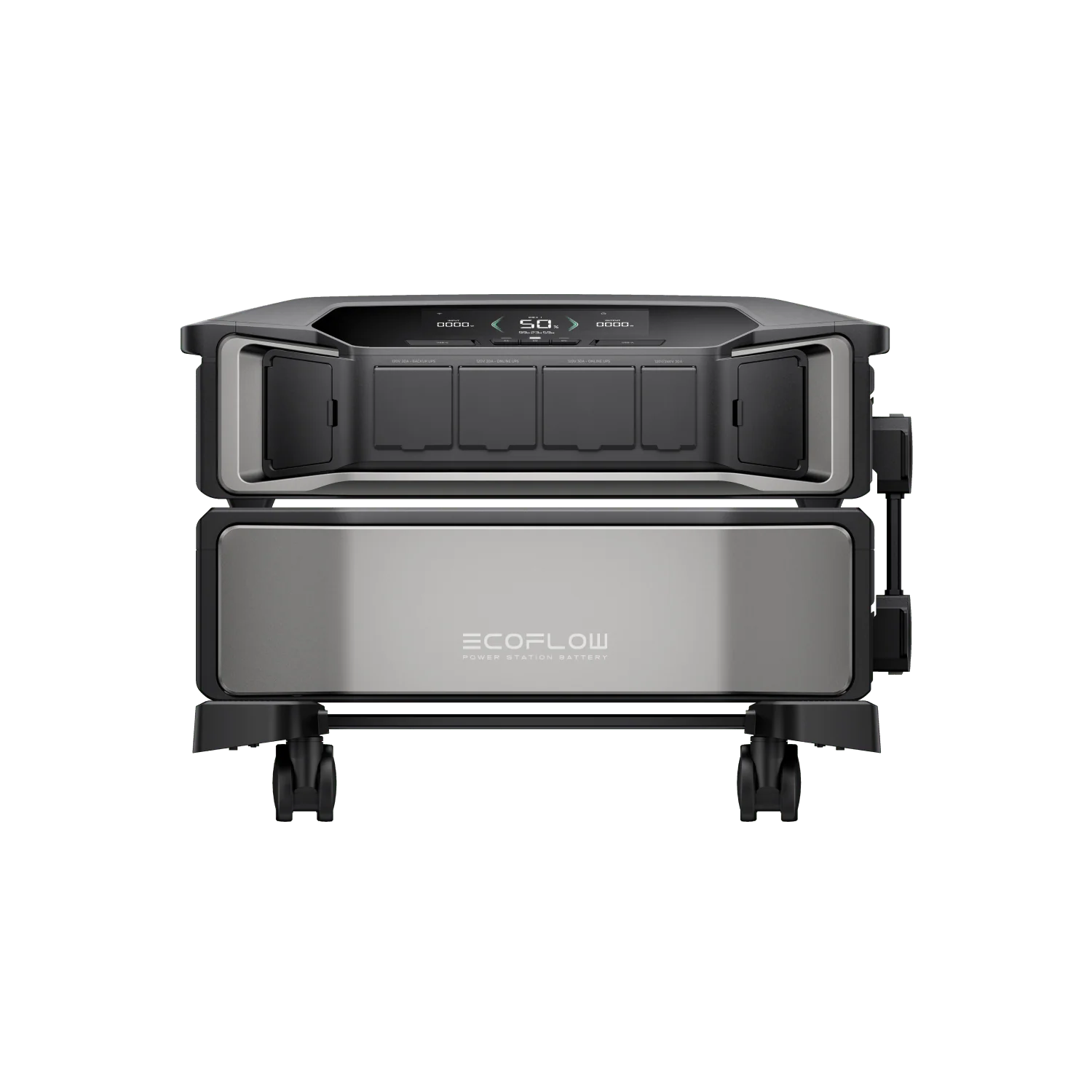
EcoFlow
EcoFlow DELTA Pro Ultra
EcoFlow's modular whole-home flagship: a 7200W inverter head that stacks up to 15 batteries for 90kWh, or triples to 21.6kW output. Price shown is the inverter + one 6.1kWh battery; the Smart Home Panel 2 (roughly $1,500-1,900 more plus electrician) is what unlocks the automatic 10-circuit backup owners actually buy this for. Owner sentiment is mostly awe at capability with recurring gripes about the ecosystem tax - every accessory is proprietary and priced accordingly. Fan noise under heavy charge or load is louder than the marketing suggests, and at 164 lbs assembled you position it once and leave it. The 120A LRA rating starts most 3-ton air conditioners, which smaller stations simply cannot do. People cross-shop it against a Powerwall 3 install; the Ultra wins on no-permit portability, loses on per-kWh cost at scale.
EcoFlow
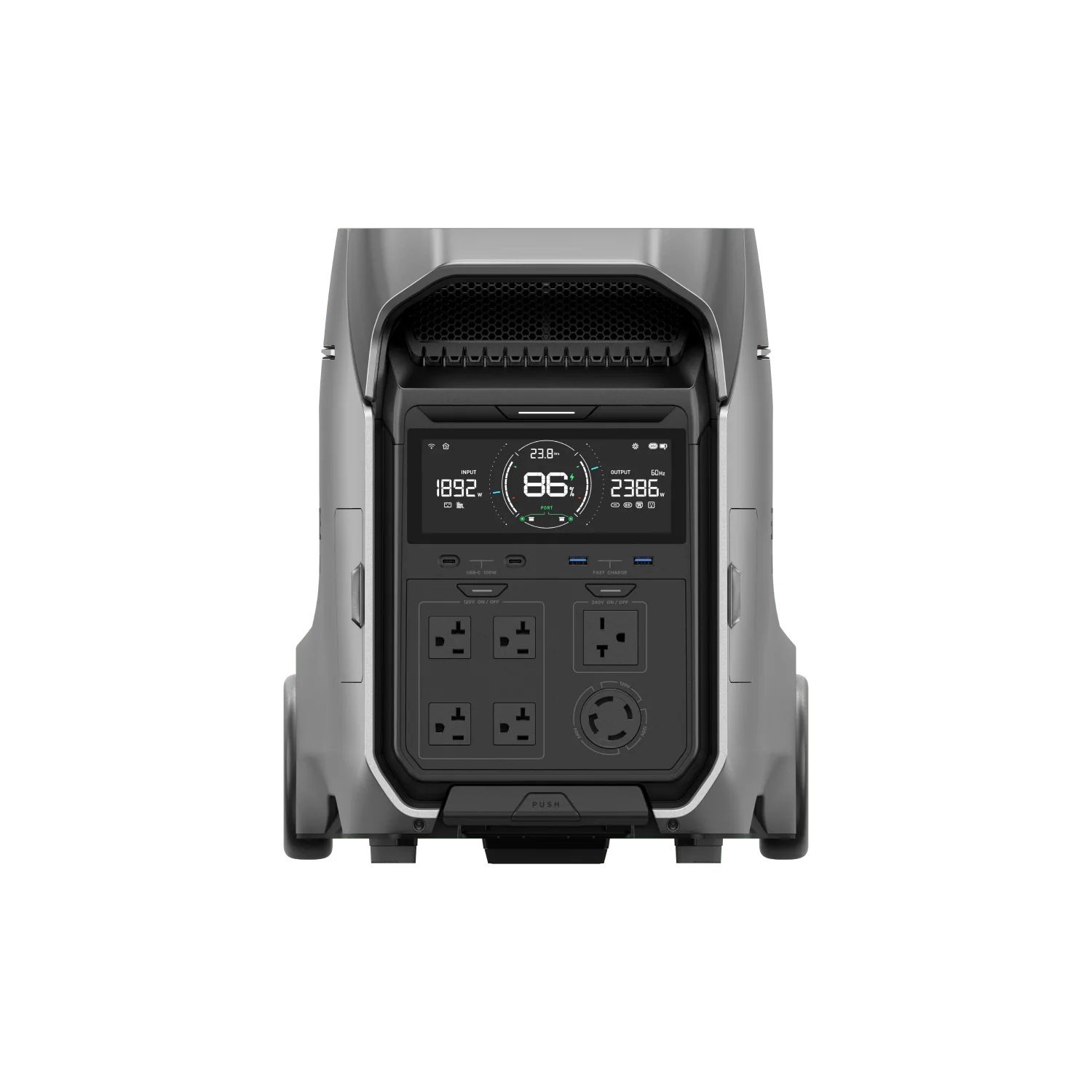
EcoFlow DELTA Pro 3
The single most-recommended whole-home-capable unit that still rolls on wheels. What sells it: 4000W with real 120/240V split-phase from one box, so it backfeeds a transfer switch and runs a well pump or mini-split without pairing two units. Owners consistently praise how quiet it stays at partial load (30dB claimed) and the 10ms UPS. The recurring complaint thread is idle drain - leaving AC output on burns tens of watts, so a 4kWh charge quietly evaporates over days if you use it as a dumb UPS without tweaking settings. It is 113 lbs; the wheels and handle work on pavement, not stairs. A few owners report warranty friction outside the mainland US, and early-firmware horror stories still circulate on Reddit, so update before first use. Street price has fallen from $3,699 to low-$2,000s, which changed the calculus versus F3800 Plus.
EcoFlow
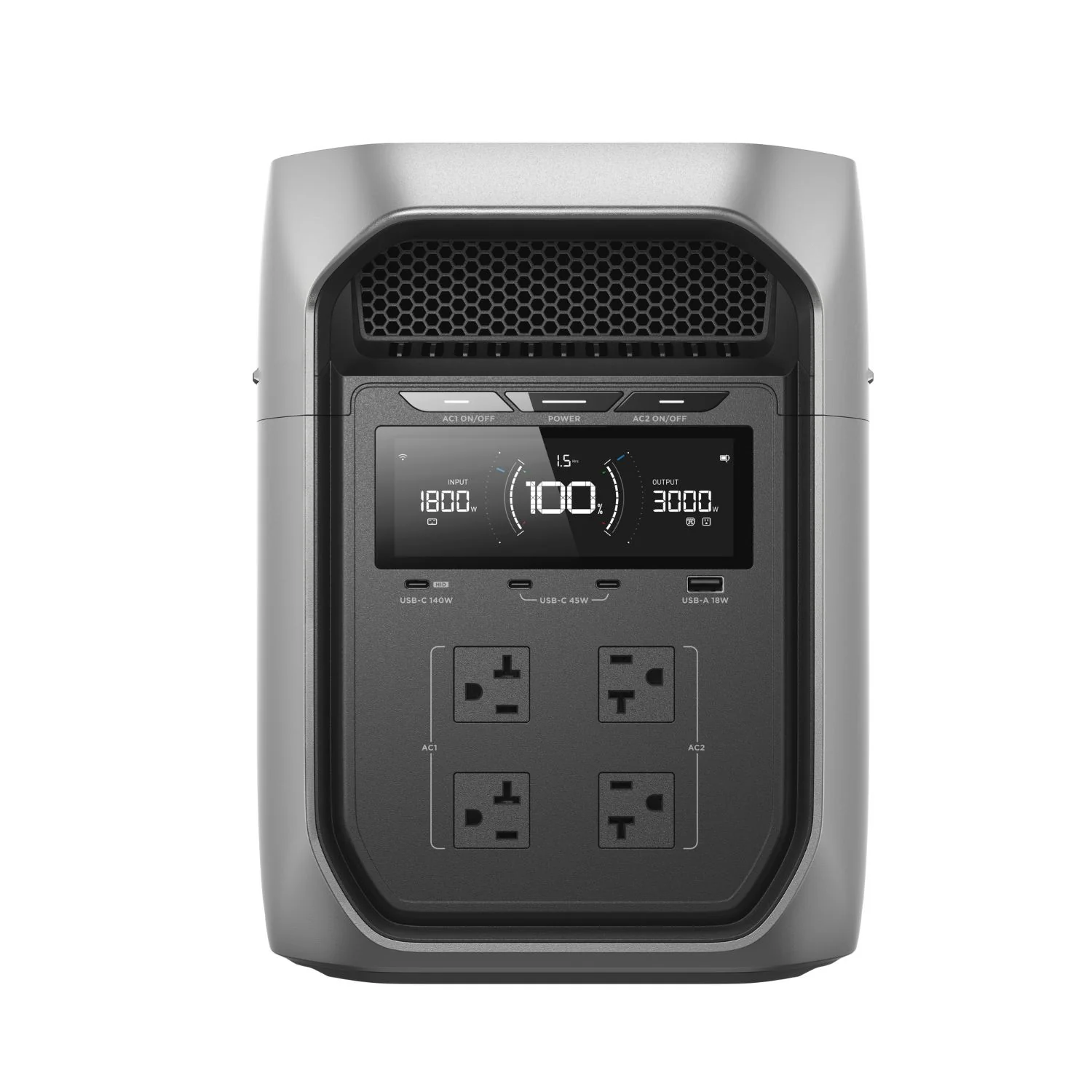
EcoFlow DELTA 3 Max Plus
The 2025-2026 refresh of EcoFlow's mid-size class and a current 'best for home backup' pick in several tested roundups. You get 2kWh and a 3000W inverter - enough to run a microwave and fridge simultaneously - at a price that undercuts the old Delta 2 Max's launch by hundreds. Owners like the practical stuff: 0-80% in about 68 minutes, X-Boost handling 3800W resistive loads, and expansion to 10kWh if backup needs grow. The dual side handles make the 49-lb carry manageable for one person. Quirks from owner threads mirror the rest of the Delta 3 line: fan spins up audibly during fast charging, idle drain means you shouldn't store it with AC output enabled, and the app occasionally loses Wi-Fi pairing until you power-cycle. Solid pick if 1kWh feels tight but 4kWh-class weight and price feel excessive.
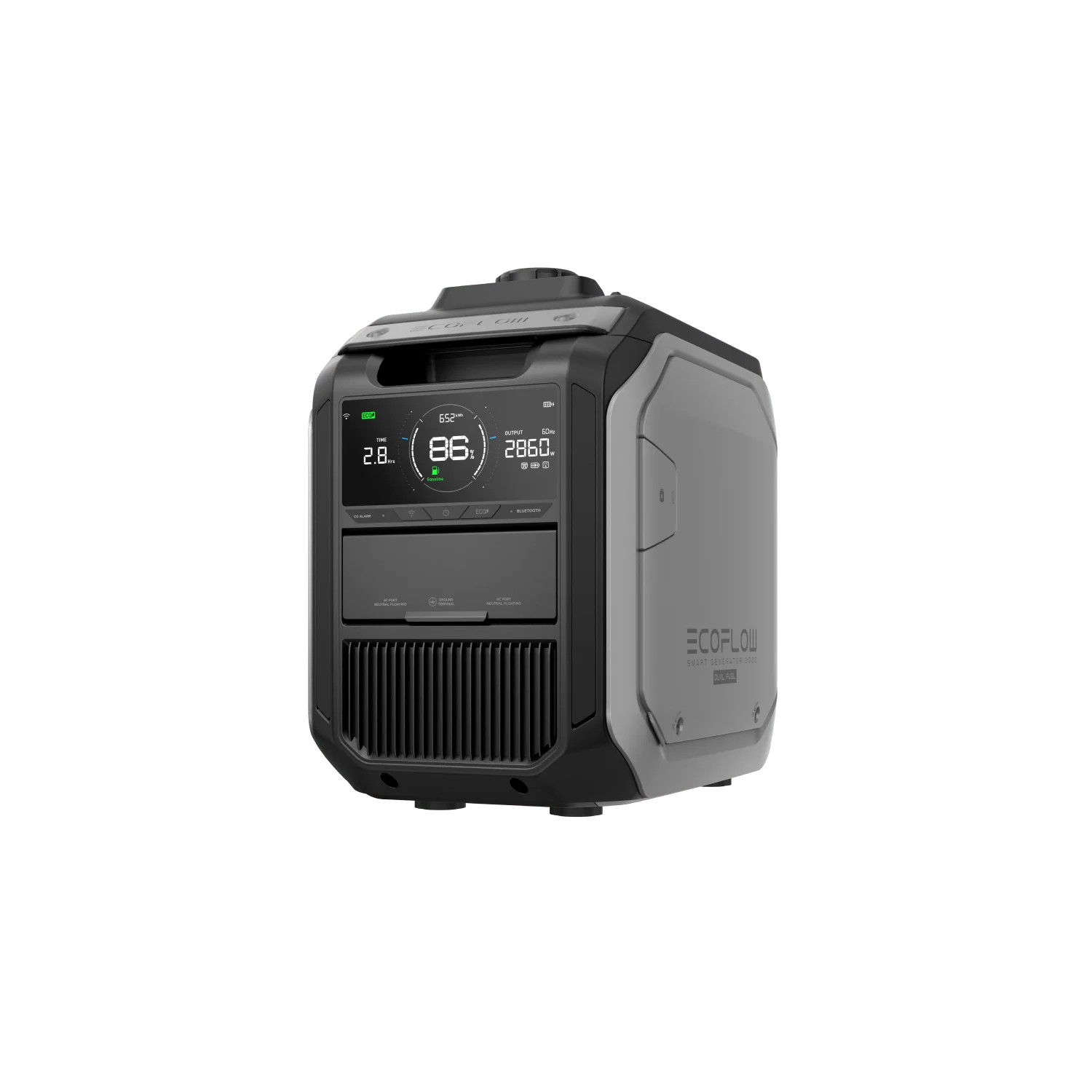
This isn't really a competitor to Honda — it's a range extender for EcoFlow's battery ecosystem, and that's exactly how owners use it. Paired with a DELTA 3 or DELTA Pro power station, it auto-starts itself when the battery drops below a threshold you set in the app, charges via high-efficiency DC (skipping the AC conversion loss), then shuts itself off — so the noisy, fuelly part of backup power runs as little as possible. It also works as a plain 2,000W dual-fuel inverter generator with app control and five start methods. Owner sentiment: brilliant inside the ecosystem, mediocre outside it — 69 dB is loud for 2,000 watts, the 1-year warranty is stingy, LPG output drops to 1,800W, and at typical pricing you can buy more raw watts elsewhere. As the automated gas backstop to a solar-battery setup, though, nothing mainstream matches it.
EcoFlow
EcoFlow DELTA 3 Plus
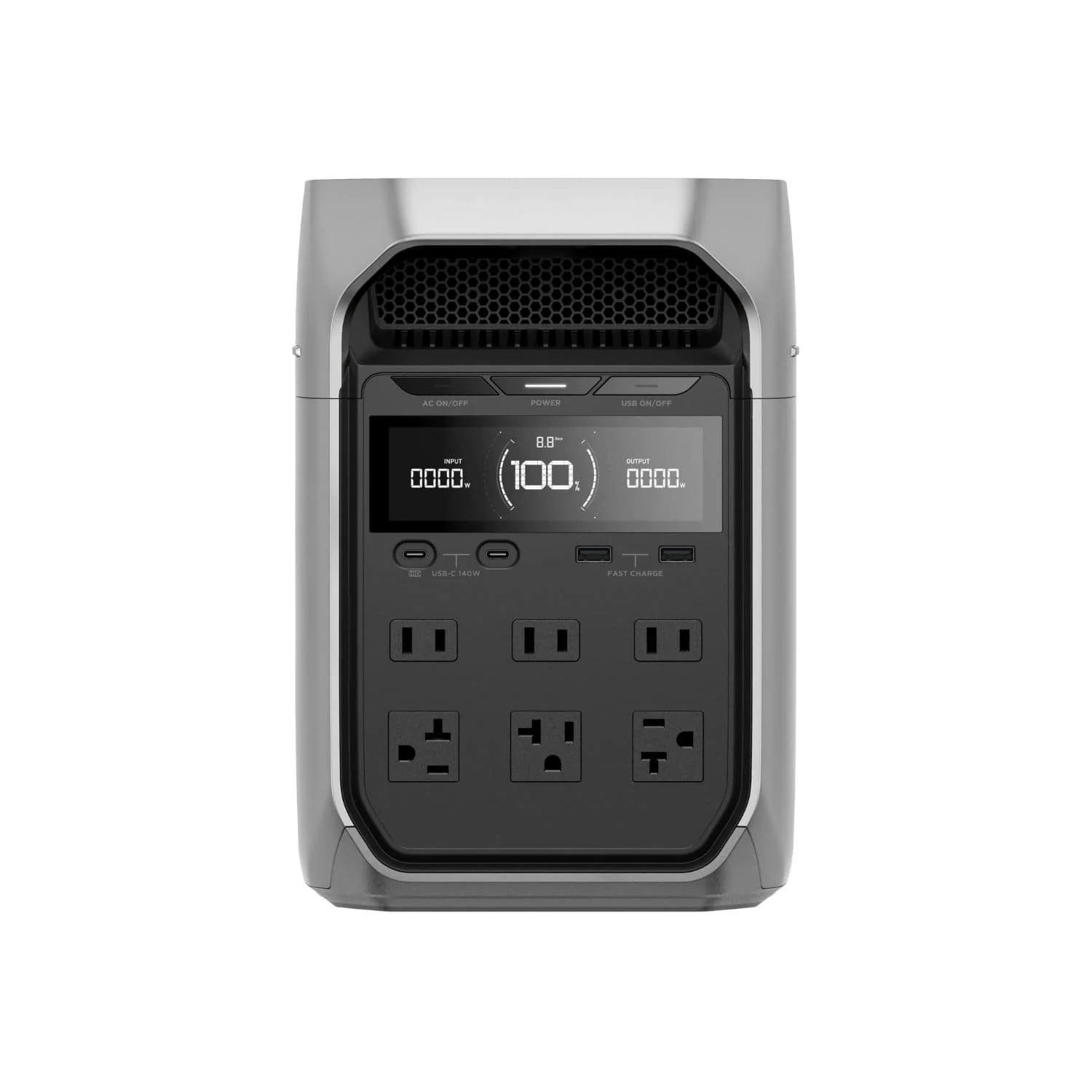
The default answer when someone asks r/portablepowerstations for a 1kWh backup unit. The killer feature owners rave about is the 10ms UPS switchover - people literally run NAS boxes, routers, and CPAP machines off it full-time and never notice an outage. It charges 0-100% in 56 minutes, which sounds like marketing until you watch it happen. Real-world quirks: the 30dB quiet claim only holds at idle - fast AC charging spins the fan up noticeably, so owners set a slower charge rate in the app at night. The app requires an EcoFlow account, which annoys the privacy crowd. X-Boost lets it fudge 2200W resistive loads (space heaters, kettles), but induction motors still trip it. Expansion to ~5kWh via extra batteries is handy, though the add-on packs cost almost as much as the unit on sale.
FranklinWH
FranklinWH aPower 2
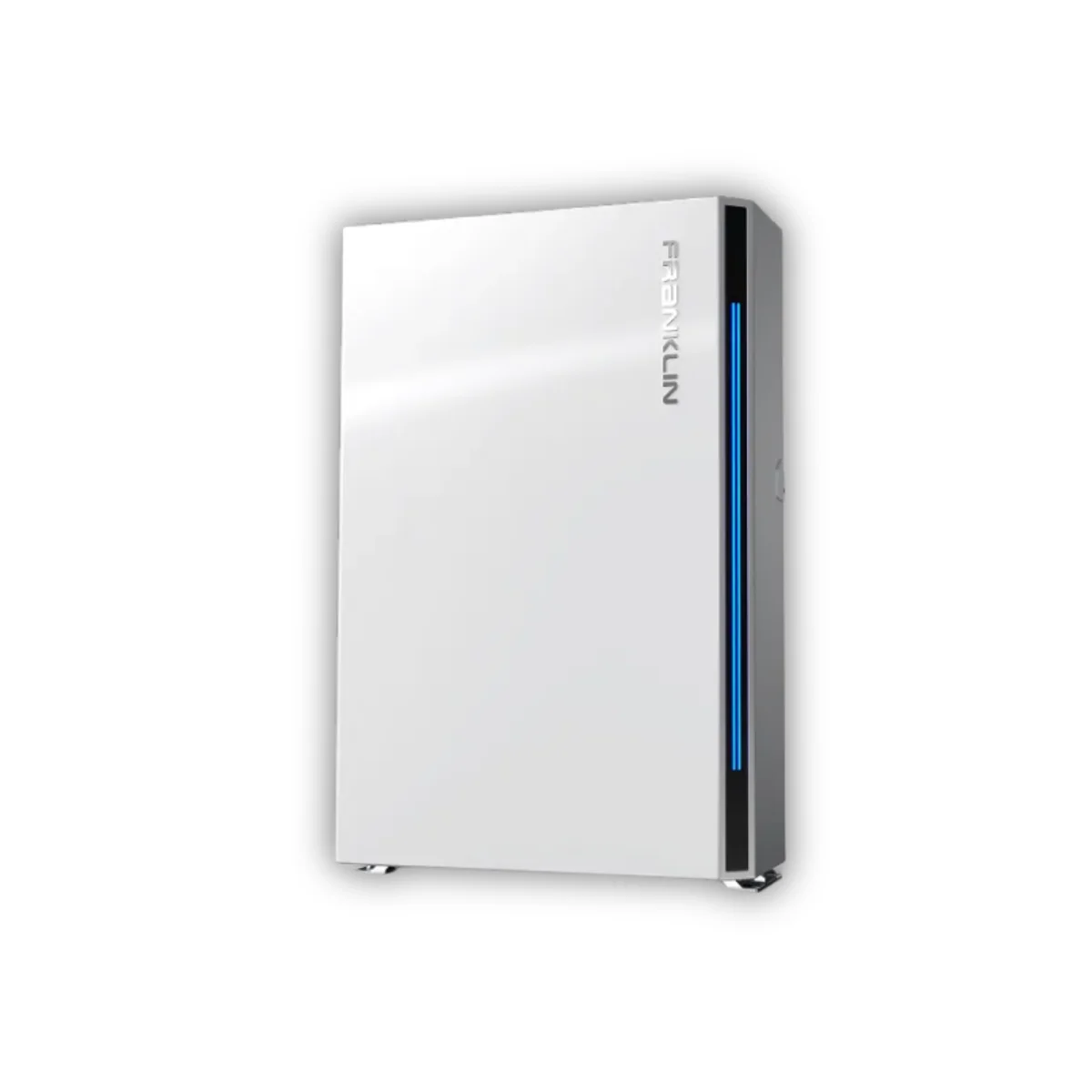
The Powerwall alternative installers keep steering people toward in 2026, and owner satisfaction scores back them up. One cabinet holds 15kWh - the most storage per unit of any mainstream battery - with 10kW continuous and a 15kW/10-second surge rated to start a 5-ton air conditioner. Price shown is typical installed cost with the aGate controller ($12,000-20,000 depending on market). Because it's AC-coupled, it retrofits onto any existing solar inverter brand - the single biggest reason people pick it over Powerwall 3. The aGate handles whole-home transfer plus generator and even EV-as-load integration. Owner gripes are modest: quotes vary widely between dealers, the app covers essentials but lacks Tesla's polish and power-user data, and the dealer network, while growing fast, is thinner than Tesla's. Expansion runs to a ridiculous 225kWh across 15 units.