Goal Zero Power Stations & Solar Generators

Goal Zero has 3 units on Outage Geek, priced from $699 to $3,399. The least expensive Goal Zero model here is the Goal Zero Yeti 700 at $699, and the lineup below runs cheapest first.

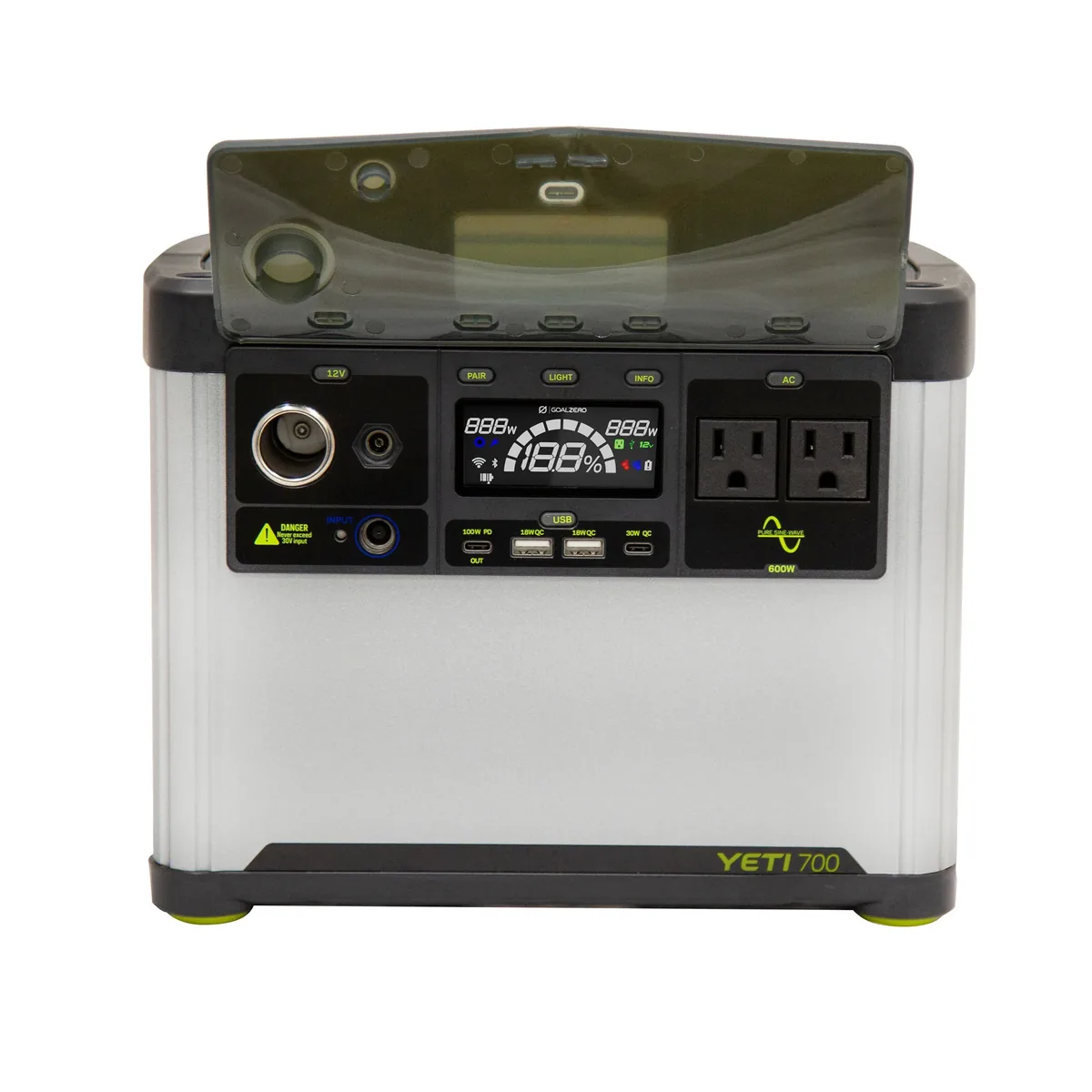
Goal Zero Yeti 700
~$699

Power Station · Battery (LiFePO4)

Goal Zero Yeti 700

The Yeti 700 is the small, sturdy one in Goal Zero's current LiFePO4 range: 677 Wh, a 600 W inverter with 1,000 W surge, and a 20.3 lb case that takes mud and rain better than most. It charges from the wall at 500 W, so a full charge is about 1.7 hours, and accepts up to 200 W of solar on the 8 mm port. The pack is rated 4,000 cycles to 80%, and the five-year warranty is longer than the maker's older lithium units carried. The inverter is the limit: 600 W continuous will not run a microwave or a window air conditioner. Passthrough charging is supported, so it can stay plugged in with loads attached. For the money, Anker, EcoFlow and Jackery sell 1,000 W units at similar prices, so you are paying for the Goal Zero build and the app. It is a solid camping, CPAP and router backup, and a poor choice for whole-fridge-and-pump coverage. No noise figure is published.

600 W / 1,000 W surge

capacity
677 Wh

Best for Campers and CPAP users who want a rugged, light LiFePO4 station with a long warranty and are fine paying a brand premium.
Goal Zero Yeti 1500
~$1,499

Power Station · Battery (LiFePO4)

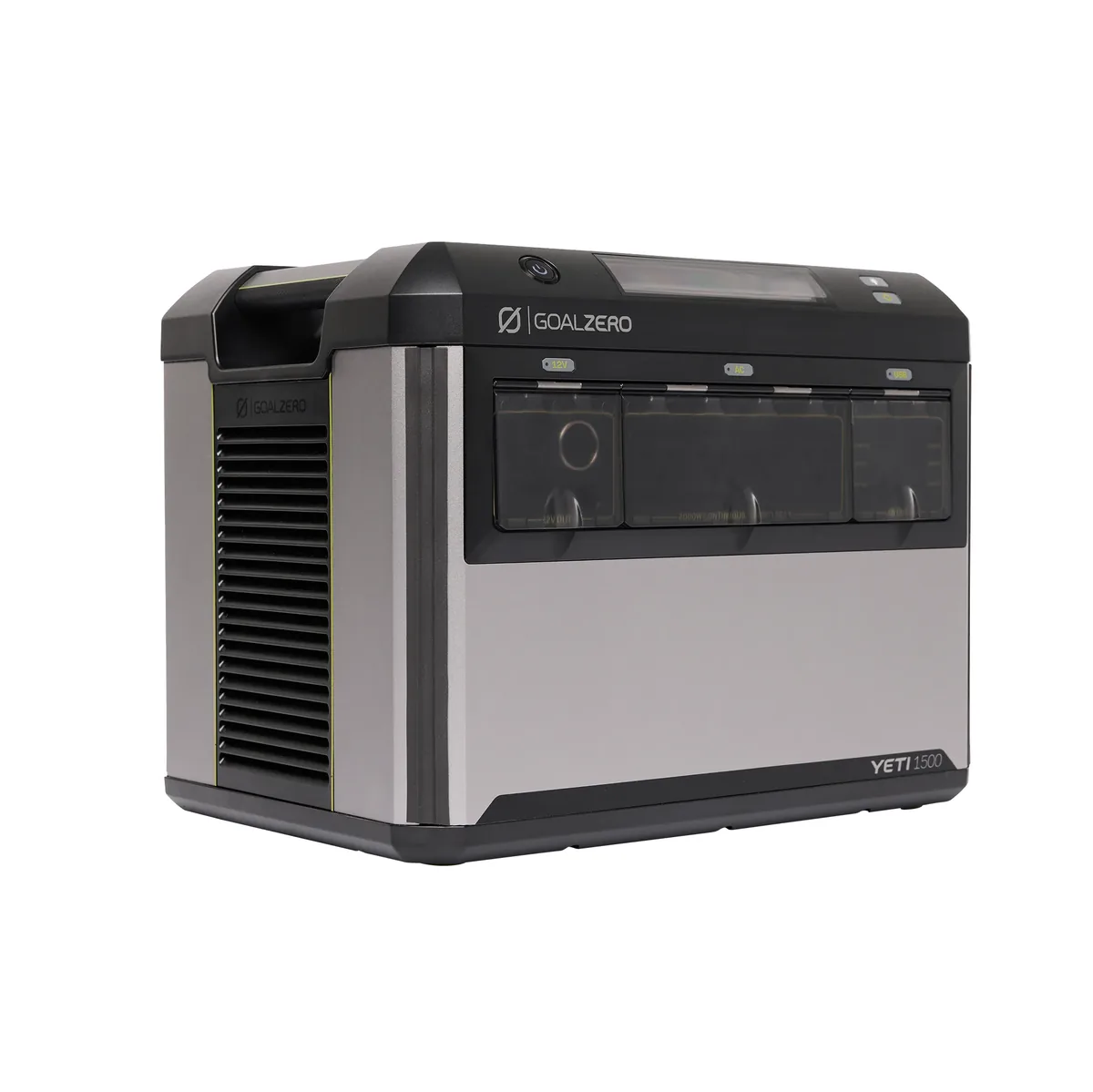
Goal Zero Yeti 1500

The 2026 Yeti 1500 replaces the discontinued Yeti 1500X and changes the chemistry: 1,505 Wh of LiFePO4 rated 4,000 cycles to 80%, where the X used a 1,516 Wh lithium-ion pack on a two-year warranty. The inverter gives 2,000 W continuous and 3,600 W surge, enough for a refrigerator compressor, a sump pump or a microwave, and it is IPX4 weather rated, which few rivals at this size claim. The big change is charging: 1,500 W from the wall brings it to full in about 1.1 hours, against 14 hours for the 1500X's included charger, and 900 W of combined solar input is possible. The usual Goal Zero criticisms apply: the price is well above Anker, EcoFlow or Bluetti units of the same capacity, and the 52.75 lb case is bulky. It has no 30 A outlet, so it will not run a transfer switch inlet. Because the model is new, there is little long-term owner history yet.

2,000 W / 3,600 W surge · up to lights, phones, router, a CPAP

capacity
1,505 Wh

Best for Campers, vanlifers and renters who want a weather-rated 1.5 kWh unit with a long warranty and are fine paying a premium for the brand.

Goal Zero Yeti Pro 4000
~$3,399

Power Station · Battery (LiFePO4)

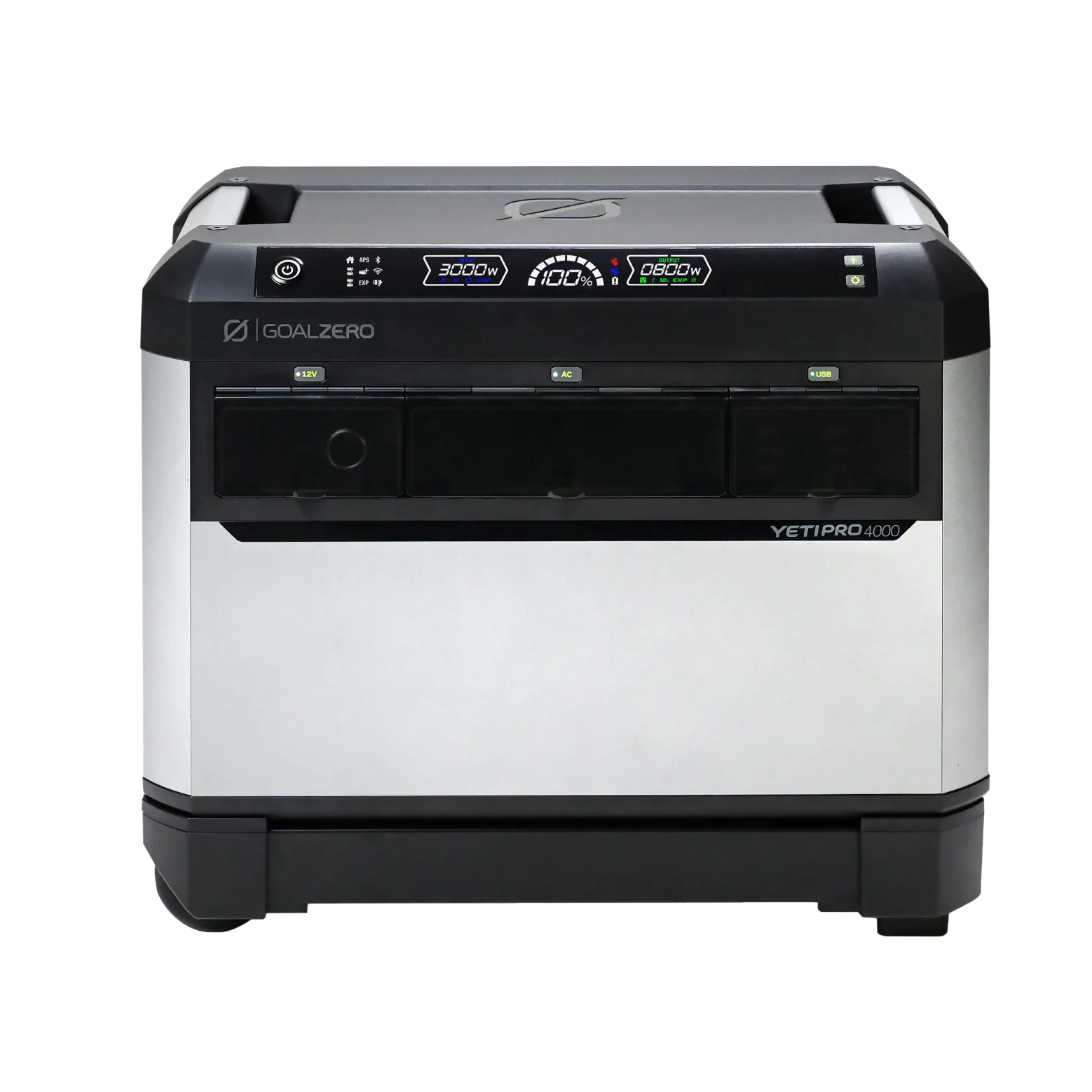
Goal Zero Yeti Pro 4000

Goal Zero's 6th-gen flagship, built like outdoor equipment rather than consumer electronics: aluminum housing, magnetic port covers that snap shut against dust and rain, and UL2743 certification for outdoor portable use. 3,994Wh with 3,600W output (7,200W surge), 3,000W of solar input, and expansion via Tank Pro batteries to roughly 20kWh. It pairs with Goal Zero's Haven 10 transfer switch for 10-circuit home backup. The downsides: it's expensive per kWh versus EcoFlow and Anker, Tank Pro expansion batteries cost more than competitors' packs, there's no 240V from a single unit, and Goal Zero's app - historically the brand's weak spot - is improved but still behind EcoFlow's.

3,600 W / 7,200 W surge · up to fridge, freezer and the essentials

capacity
3,994 Wh
expands to
20,000 Wh
Transfer switch
transfer-switch ready

Best for Overlanders and cabin owners who prioritize ruggedness and solar speed over per-kWh price.