EcoFlow Power Stations & Solar Generators

EcoFlow has 11 units on Outage Geek, priced from $299 to $18,000. The least expensive EcoFlow model here is the EcoFlow RIVER 3 Plus at $299, and the lineup below runs cheapest first.

EcoFlow RIVER 3 Plus
~$299

Power Station · Battery (LiFePO4) · 30 dB

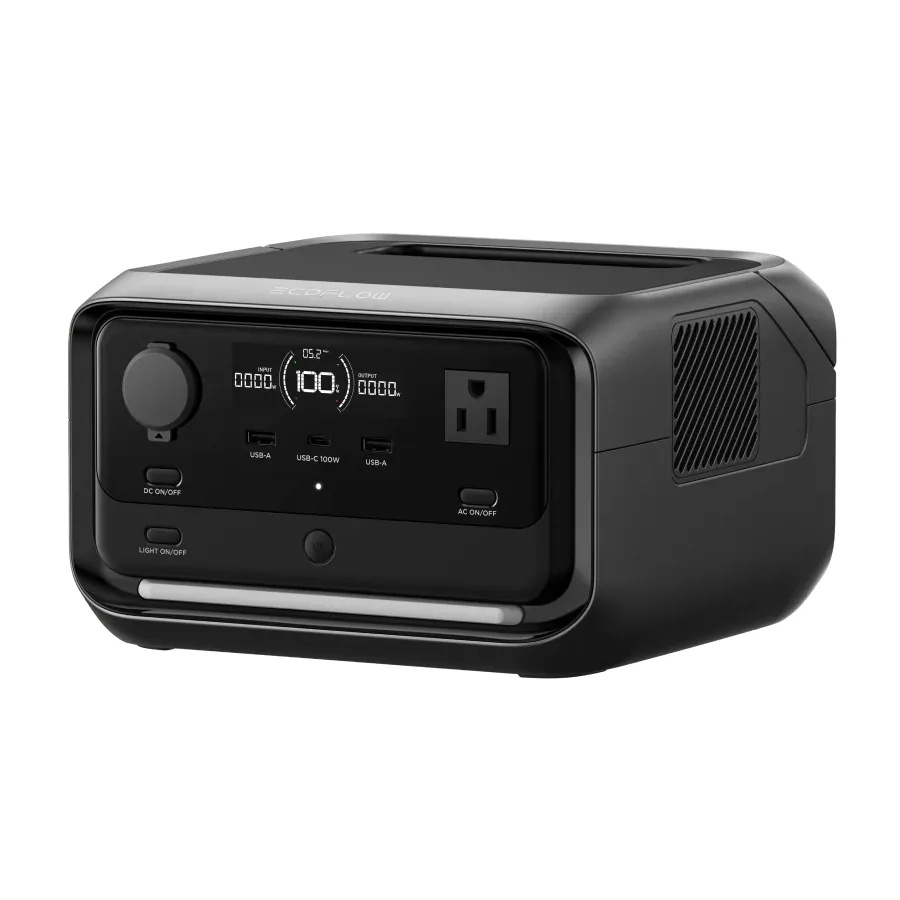
EcoFlow RIVER 3 Plus

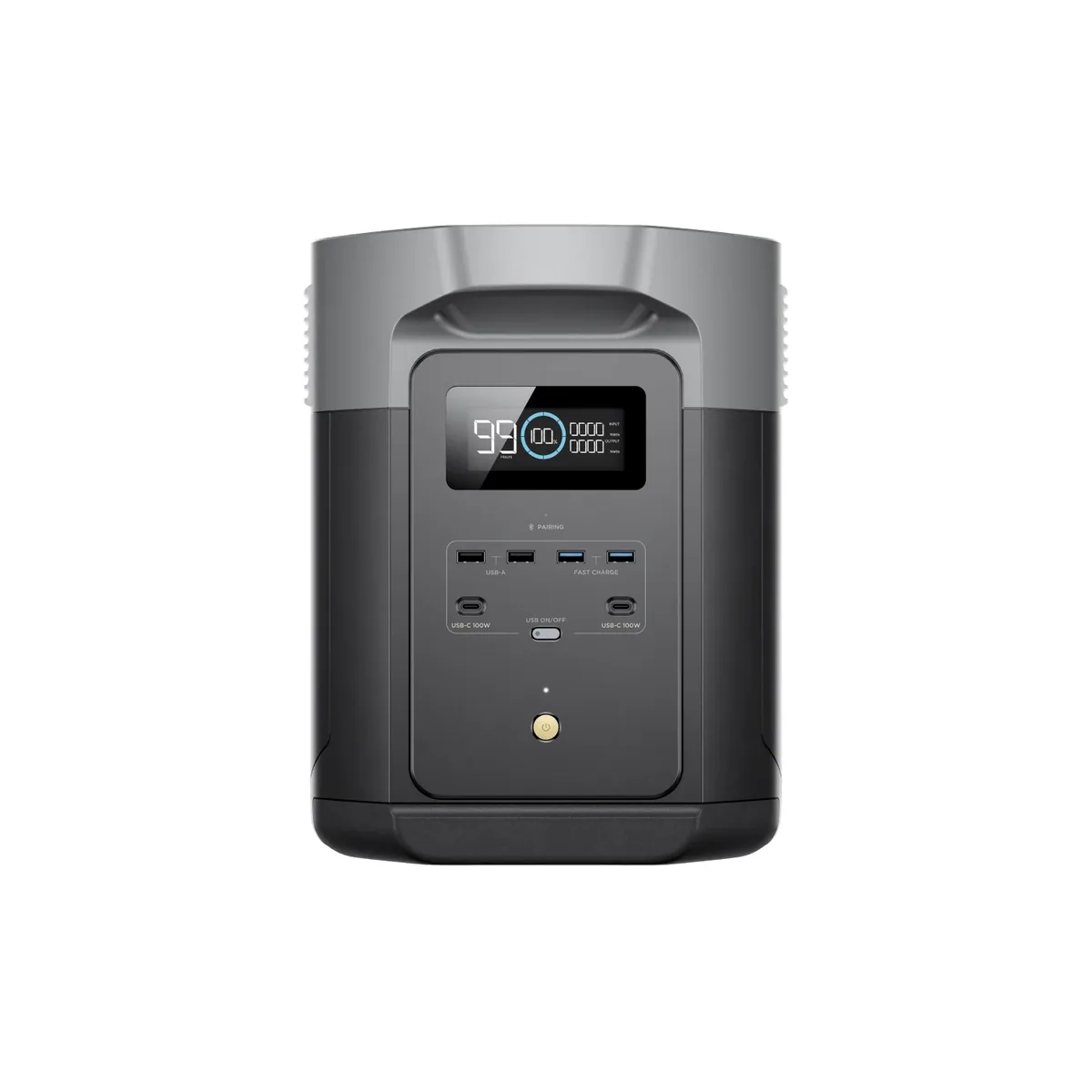
A 286Wh brick for the people who want to keep the internet, phones, a CPAP or a laptop alive through an evening outage and do not want a 50-pound box in the closet. At 10.4 pounds with a handle it moves from a desk to a campsite without thought. The 600W inverter (1,200W with X-Boost) handles a fan, a TV or a CPAP without humidifier; the two rear AC outlets let cords run neat when it is used as a desk UPS with a switchover under 10ms. Owners are blunt that 286Wh is small: a fridge gets an hour or two, so this is not a refrigerator-in-an-outage unit. Expansion is wireless, stacking EB300 or EB600 batteries to 858Wh, and the pairing makes more sense than buying a second unit. It recharges from empty in about an hour on the wall.

600 W / 1,200 W surge

capacity
286 Wh
expands to
858 Wh

Best for Renters and apartment owners who need a quiet UPS and phone-and-modem backup, plus an easy campsite companion.
EcoFlow DELTA 3 Classic
~$599

Power Station · Battery (LiFePO4) · 30 dB

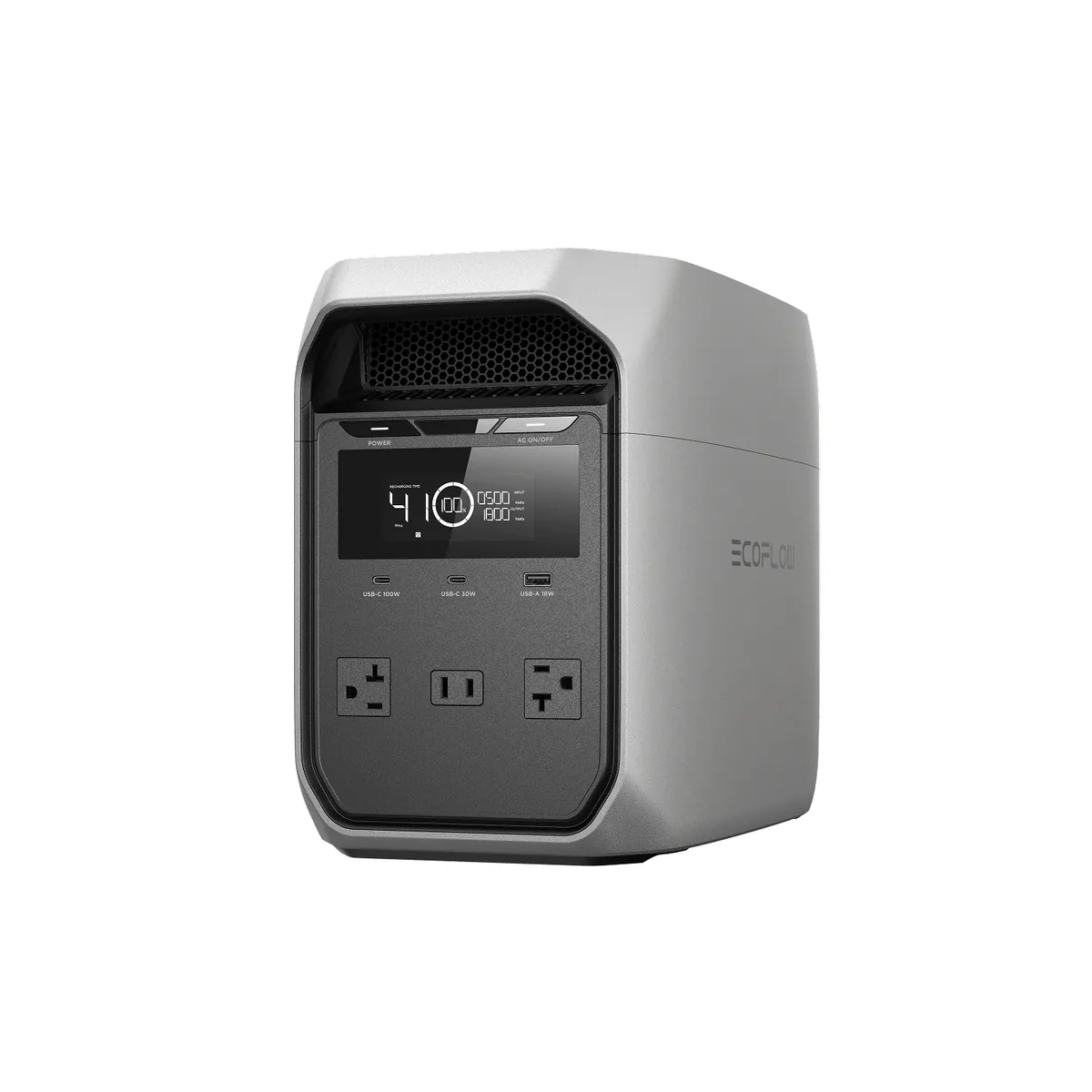
EcoFlow DELTA 3 Classic

The stripped-down version of EcoFlow's 1kWh line usually sells for less than the Plus it was spun out of. You keep the 1,800W inverter with 3,600W surge, X-Boost up to 2,600W for resistive loads, the 10ms switchover and the LiFePO4 cells, and lose outlets: three AC receptacles instead of six, and one 100W USB-C plus a 30W one instead of dual 140W. Owners who just want a fridge, router and CPAP kept alive through a day-long outage say that is plenty; people who plug in a power strip on day one wish they had paid for the Plus. The 45-minute 0-80% AC recharge is the real draw, and the fan is audible under heavy charge. It takes the same extra batteries as the rest of the DELTA 3 family, up to 5kWh, though those packs cost nearly as much as another unit.

1,800 W / 3,600 W surge · up to lights, phones, router, a CPAP

capacity
1,024 Wh
expands to
5,000 Wh

Best for Home backup buyers who need a fridge, modem and CPAP covered for an evening and do not need a crowd of outlets.

EcoFlow DELTA 3 Plus
~$649

Power Station · Battery (LiFePO4) · 30 dB

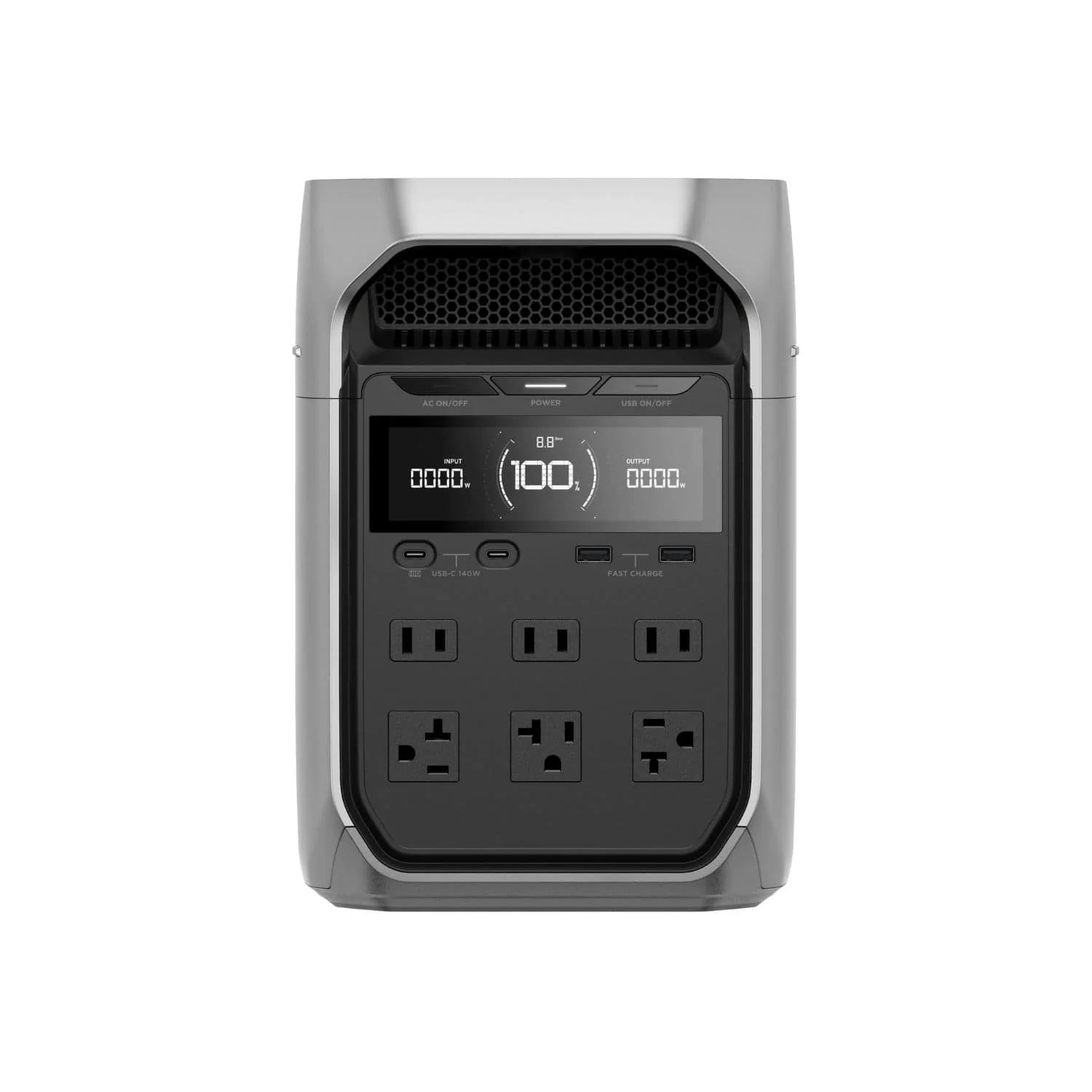
EcoFlow DELTA 3 Plus

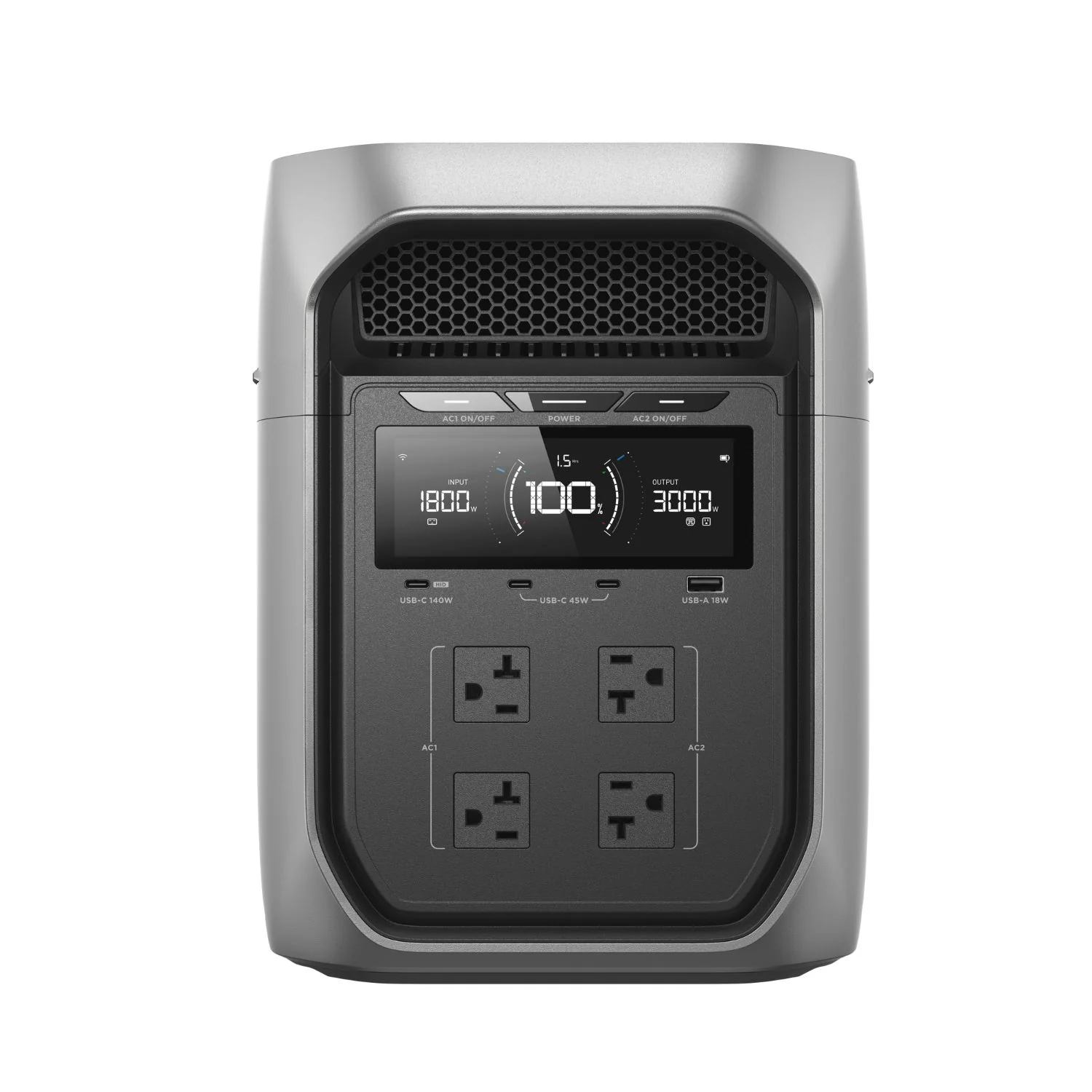
The default answer when someone asks for a 1kWh backup unit. The headline feature is the 10ms UPS switchover, and owners run routers, 3D printers and workstations on it. It charges 0-100% in 56 minutes, which sounds like marketing until you watch it happen. The app requires an EcoFlow account. X-Boost lets it fudge 2200W resistive loads (space heaters, kettles), but induction motors still trip it. Expansion to ~5kWh via extra batteries is handy, though the add-on packs cost almost as much as the unit on sale.

1,800 W / 3,600 W surge · up to lights, phones, router, a CPAP

capacity
1,024 Wh
expands to
5,000 Wh

Best for Apartment dwellers and network-gear owners who want a set-and-forget UPS that doubles as camping power.

EcoFlow Smart Generator 3000 (Dual Fuel)
~$749

Inverter Generator · Dual Fuel (Gas/Propane) · 69 dB

EcoFlow Smart Generator 3000 (Dual Fuel)

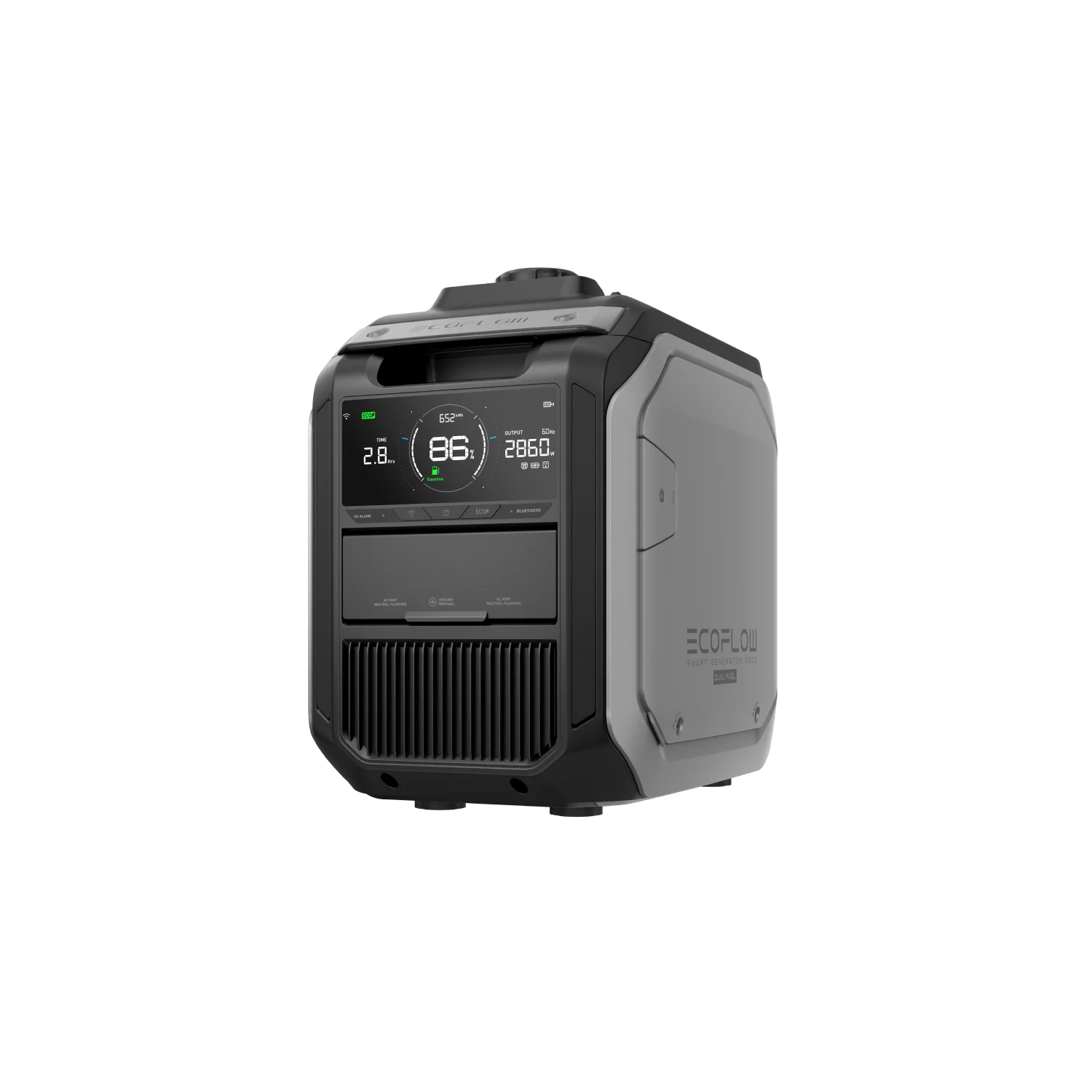
This isn't really a competitor to Honda — it's a range extender for EcoFlow's battery ecosystem, and that's exactly how owners use it. Paired with a DELTA 3, DELTA 3 Plus or DELTA 3 Ultra Plus, it auto-starts itself when the battery drops below a threshold you set in the app, charges the station through its AC input, then shuts itself off — so the noisy, fuelly part of backup power runs as little as possible. It also works as a plain 2,000W dual-fuel inverter generator with app control and five start methods. Owner verdict: it does the job with a supported DELTA 3 and is ordinary outside that pairing — 69 dB is loud for 2,000 watts, the 1-year warranty is stingy, LPG output drops to 1,800W, and at typical pricing you can buy more raw watts elsewhere. As the automated gas backstop to a solar-battery setup, though, nothing mainstream matches it.

2,000 W / 3,000 W surge · up to lights, phones, router, a CPAP

running
2,000 W

Best for EcoFlow battery owners who want an automatic fossil-fuel backstop for extended outages.

EcoFlow DELTA 3 Max Plus
~$1,049

Power Station · Battery (LiFePO4) · 30 dB

EcoFlow DELTA 3 Max Plus

The 2025-2026 refresh of EcoFlow's mid-size class and a current 'best for home backup' pick in several tested roundups. You get 2kWh and a 3000W inverter - enough to run a microwave and fridge simultaneously - at a price that undercuts the old Delta 2 Max's launch by hundreds. The practical specs: 0-80% in about 68 minutes, X-Boost handling 3800W resistive loads, and expansion to 10kWh if backup needs grow. The dual side handles make the 49-lb carry manageable for one person. Like the rest of the Delta 3 line, it draws power when AC output is left on, so owners switch it off in storage. Solid pick if 1kWh feels tight but 4kWh-class weight and price feel excessive.

3,000 W / 6,000 W surge · up to fridge, freezer and the essentials

capacity
2,048 Wh
expands to
10,000 Wh

Best for Households wanting one box that handles kitchen appliances plus a couple days of fridge backup.

EcoFlow DELTA 3 Max
~$1,199

Power Station · Battery (LiFePO4) · 25 dB

EcoFlow DELTA 3 Max

EcoFlow's non-Plus 2kWh DELTA 3 sits beside the Max Plus and gives up that model's 3,000W inverter and 30A outlet for 2,400W continuous and 4,800W surge, with X-Boost stretching resistive loads to 3,400W. That is enough for a fridge, furnace blower, well pump with a soft start and a window air conditioner at once, and owners report it handles a two-day outage for an essentials load. At 44.8 lb it is lighter than the 2kWh units it replaced, and the fan stays near-silent at moderate load. The catch is the 120V-only outlet set: four 20A receptacles, no L14-30, so a home transfer switch needs the Plus. Recharge to 80% takes 68 minutes from a wall or generator. EcoFlow lists it at $1,199 and sells it for several hundred dollars less most weeks.

2,400 W / 4,800 W surge · up to fridge, freezer and the essentials

capacity
2,048 Wh

Best for Households that want a quiet 2kWh backup for essentials and do not need a 30A transfer-switch outlet.

EcoFlow DELTA 2 Max
~$1,299

Power Station · Battery (LiFePO4)

EcoFlow DELTA 2 Max

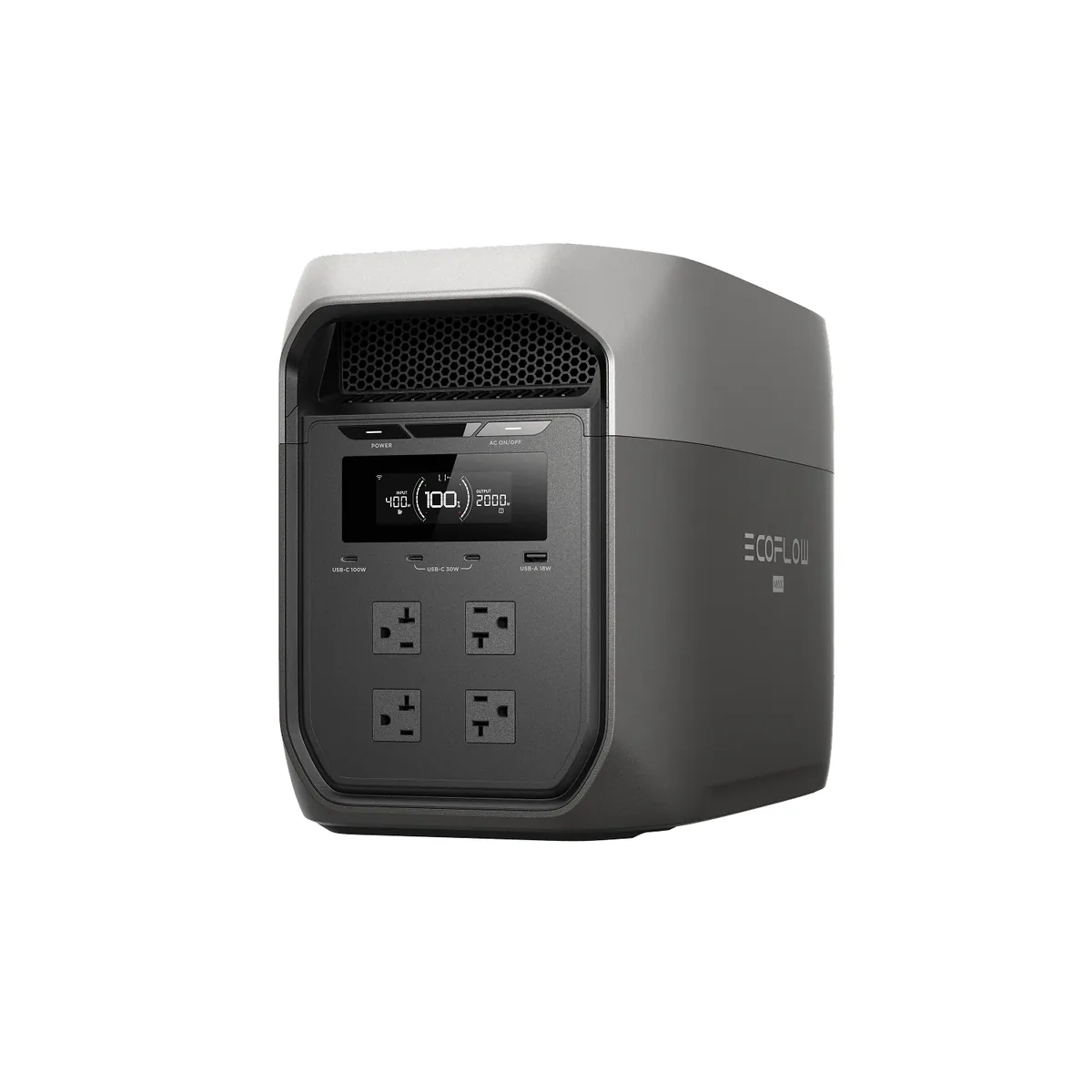
The 2kWh unit EcoFlow kept selling after the DELTA 3 generation arrived, mainly because it is the cheapest way into a 6kWh system. 2,048Wh of LiFePO4, 2,400W continuous, 4,800W surge and X-Boost to 3,400W for resistive loads covers a fridge, furnace blower, sump and a window AC, and six AC outlets mean no power strip. It takes two DELTA 2 Max Smart Extra Batteries for 6,144Wh, and the same batteries fit the DELTA 3 line. The 1,800W X-Stream recharge and the UPS function are the features people lean on. Newer models charge faster and EcoFlow publishes no dB figure for this one, so noise is a question mark. At 50 pounds it is heavier than the 3 Max, and there is no 30A outlet. EcoFlow lists it at $1,299 and discounts it most weeks.

2,400 W / 4,800 W surge · up to fridge, freezer and the essentials

capacity
2,048 Wh
expands to
6,144 Wh

Best for Buyers who want a proven 2kWh platform with cheap battery expansion and are fine with last-generation charging speed.

EcoFlow DELTA Pro 3
~$2,399

Power Station · Battery (LiFePO4) · 30 dB

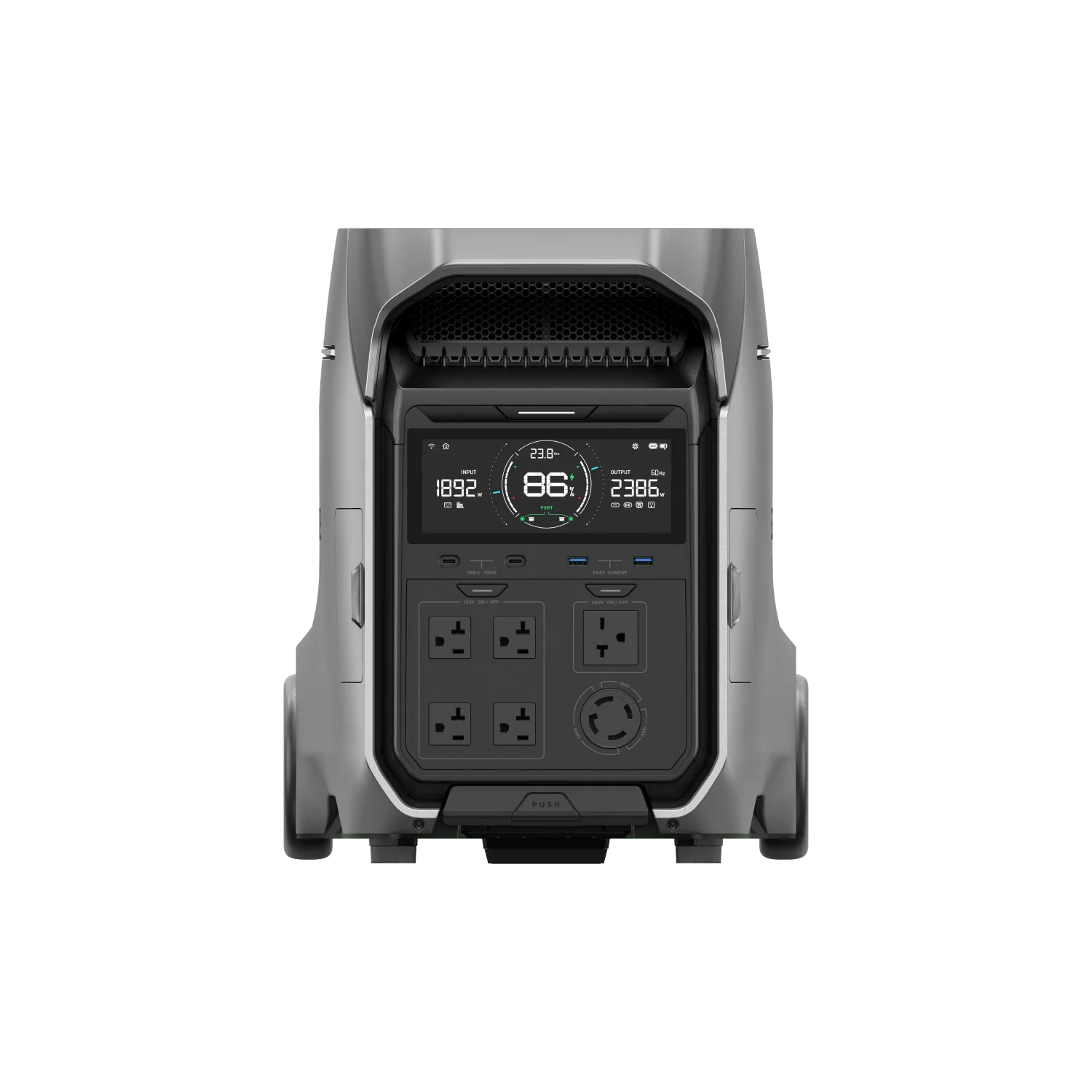
EcoFlow DELTA Pro 3

The single most-recommended whole-home-capable unit that still rolls on wheels. What sells it: 4000W with real 120/240V split-phase from one box, so it backfeeds a transfer switch and runs a well pump or mini-split without pairing two units. It has a 10ms UPS, and an owner who upgraded from the original DELTA Pro found it much quieter. It is 113 lbs; the wheels and handle work on pavement, not stairs. Owners report warranty refusals on units bought through Amazon, and a 2026 firmware build was withdrawn after release, so some owners now hold off on updates. Street price has fallen from $3,699 to low-$2,000s, which changed the calculus versus F3800 Plus.

4,000 W / 8,000 W surge · up to furnace blower, sump pump or a window AC

capacity
4,096 Wh
expands to
48,000 Wh
Transfer switch
transfer-switch ready

Best for Homeowners who want genuine transfer-switch backup for well pumps and 240V loads without a permanent install.

EcoFlow DELTA Pro
~$2,799

Power Station · Battery (LiFePO4)

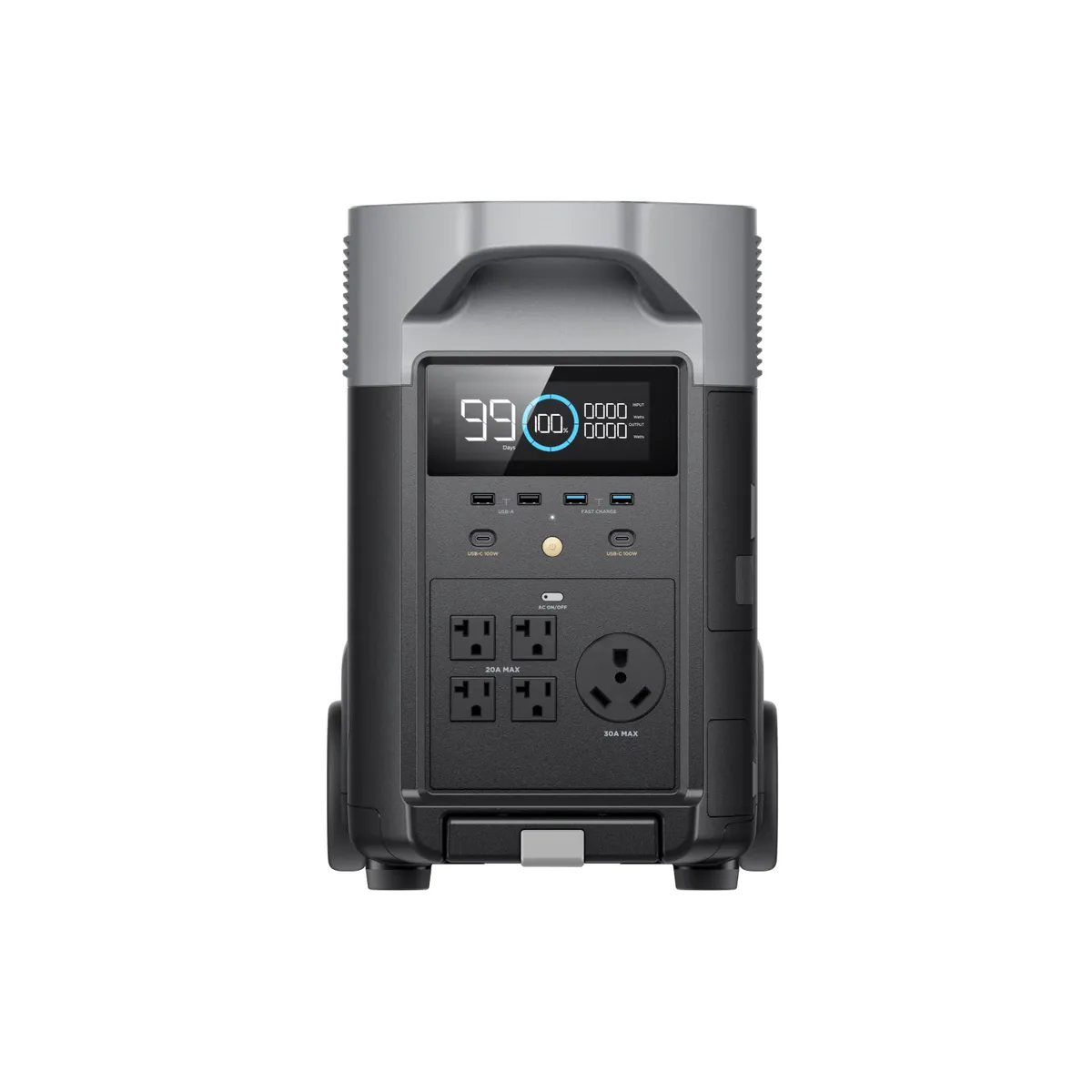
EcoFlow DELTA Pro

The original DELTA Pro is still on EcoFlow's US storefront, now the older sibling of the DELTA Pro 3, and it is the unit that made owners start talking about portable stations as a whole-house stopgap. 3,600Wh and 3,600W continuous is enough for a fridge, furnace, sump pump and a few lights for days, and two extra batteries take it to 10.8kWh. It has wheels and a handle because it weighs 99 pounds. EcoFlow publishes no single noise figure, only 48 to 60 dB at one meter depending on load, and owners describe the fan as plainly audible under any real load. The 120V 30A outlet is the unit's party trick for RV shore power, but it is not a 120/240V outlet: feeding a home panel at 240V needs the separately sold Double Voltage Hub. Buyers weighing it against the Pro 3 trade away faster charging and the newer app.

3,600 W / 7,200 W surge · up to fridge, freezer and the essentials

capacity
3,600 Wh
expands to
10,800 Wh

Best for Owners who want multi-day essentials backup now and will add batteries later, and who prefer the proven older platform even though the newer Pro 3 lists for less.

EcoFlow DELTA Pro Ultra
~$4,999

Power Station · Battery (LiFePO4)

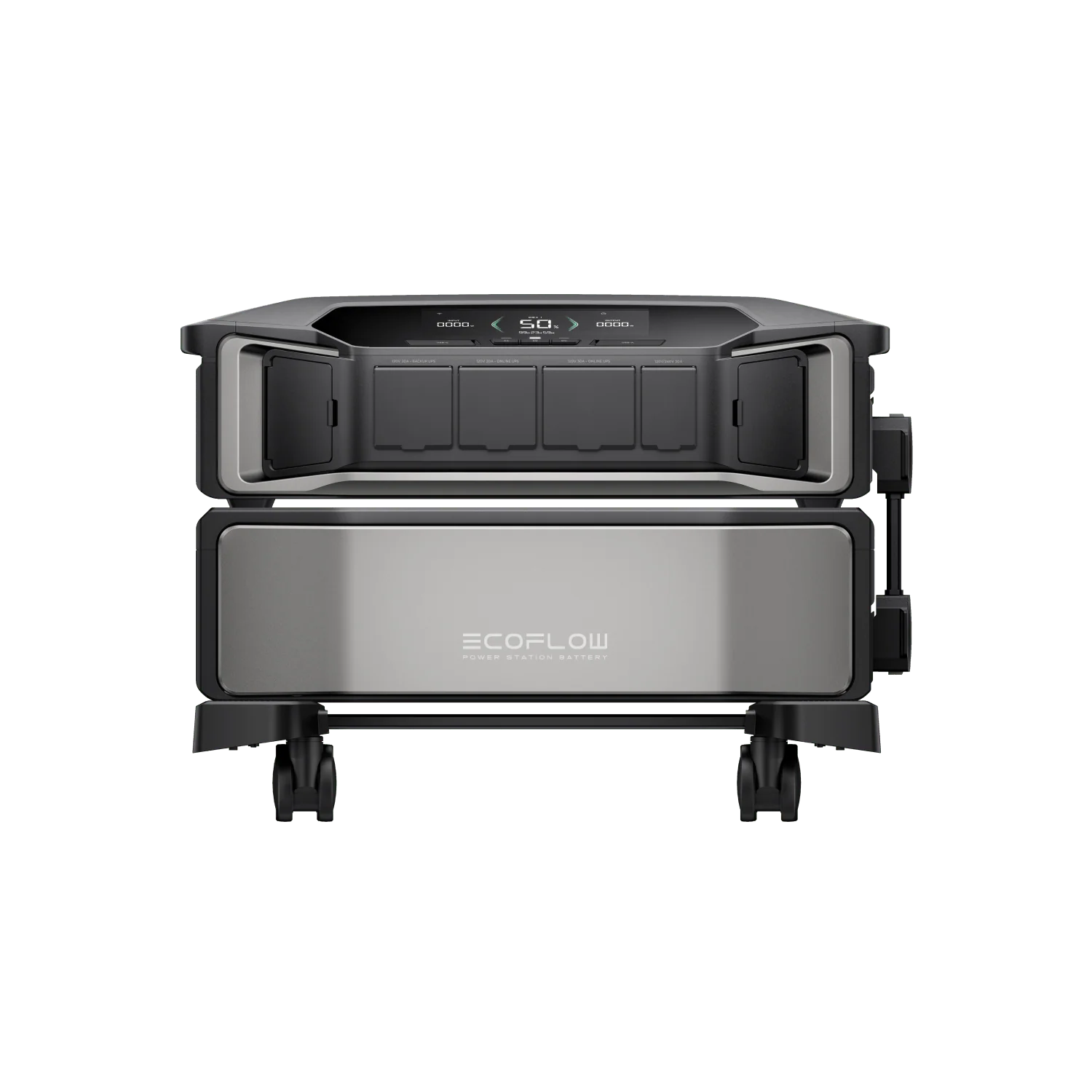
EcoFlow DELTA Pro Ultra

EcoFlow's modular whole-home flagship: a 7200W inverter head that stacks up to 15 batteries for 90kWh, or triples to 21.6kW output. Price shown is the inverter + one 6.1kWh battery; the Smart Home Panel 2 (roughly $1,500-1,900 more plus electrician) is what unlocks the automatic 10-circuit backup owners actually buy this for. The recurring owner gripe is cost per kWh, which runs far above DIY wall-battery systems. Fan noise under heavy charge or load is louder than the marketing suggests, and at 164 lbs assembled you position it once and leave it. The 120A LRA rating starts most 3-ton air conditioners, which smaller stations simply cannot do. People cross-shop it against Generac standby quotes and DIY wall-battery systems; the Ultra wins on portability, loses on per-kWh cost at scale.

7,200 W / 10,800 W surge · up to furnace blower, sump pump or a window AC

capacity
6,144 Wh
expands to
90,000 Wh
Transfer switch
transfer-switch ready

Best for Whole-home backup shoppers who want Powerwall-class capability without a permanent, permitted installation.

EcoFlow OCEAN Pro
~$18,000

Home Battery System · Battery (LiFePO4)

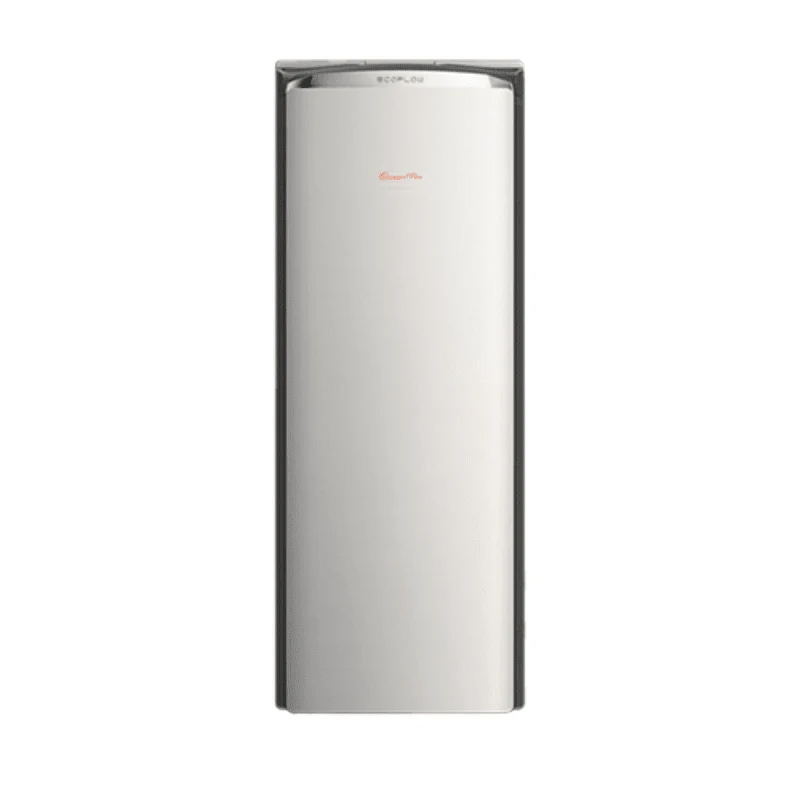
EcoFlow OCEAN Pro

EcoFlow's 2026 leap from portable stations into permanently-installed storage, and on paper it's a monster: 10kWh IP67 modules stacking to 80kWh per inverter, a hybrid inverter platform rated to 24kW output with 205A LRA motor-start, 40kW of solar input, an integrated Smart Electrical Panel 40 and 11.5kW EV charger, plus a 15-year warranty that beats everyone except Enphase's on paper. Pricing is quote-only through certified installers - the price shown is an estimated installed starting system (inverter + battery + smart panel) based on early published system ranges; treat it as directional, not gospel. One early owner reports the AI-driven time-of-use optimization working well; the cautions are a brand-new installer network, unproven long-term support for installed products from a portable-power company, and unknown service logistics.

24,000 W · up to whole home with central air

capacity
10,000 Wh
expands to
80,000 Wh
Transfer switch
transfer-switch ready

Best for Early adopters wanting one vendor for battery, smart panel, EV charging, and solar at whole-home scale.