Generac
Generac PWRcell 2
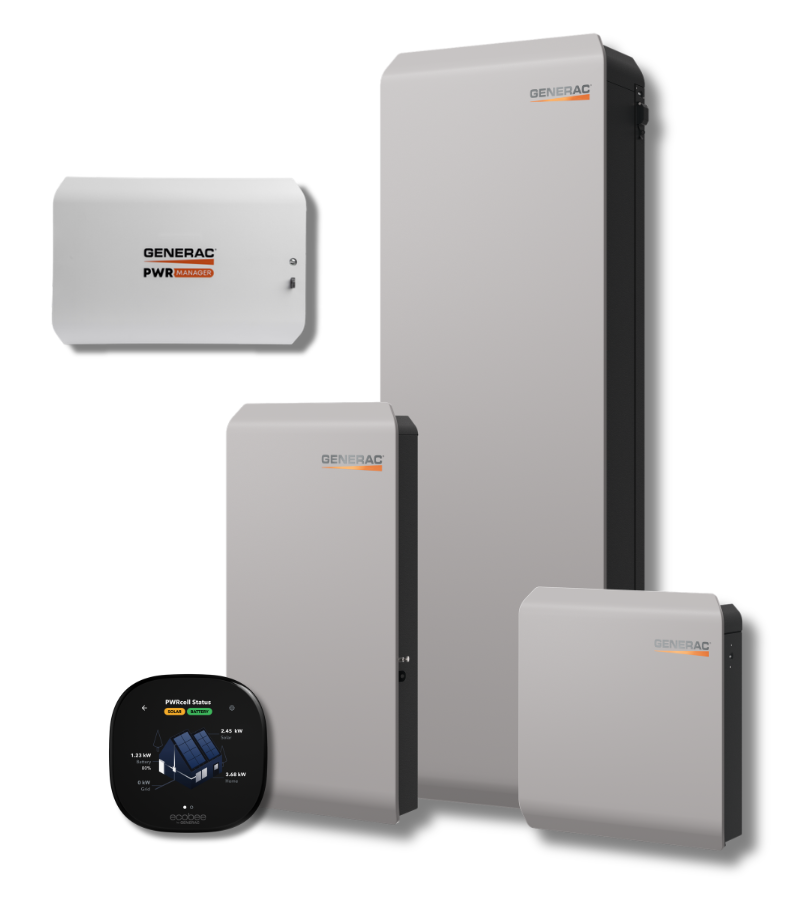
The generator company's modular battery play: a cabinet holding three to six 3kWh NMC modules (9-18kWh), so you can start small and slot in ~$2,500 modules later - a genuinely different upgrade path from fixed-capacity rivals. Price shown is estimated installed cost for a full 18kWh cabinet; a 9kWh starter system runs $17,000-21,000 installed, which owners and reviewers consistently flag as expensive per kWh versus Powerwall 3. Where it earns its keep is ecosystem: PWRmanager load management sheds circuits automatically, it integrates cleanly with Generac standby generators for indefinite outages, and every system ships with an Ecobee smart thermostat. The baggage: PWRcell 1's SnapRS connector failures left a support-reputation scar that owner forums haven't forgotten, the NMC chemistry is less thermally forgiving than the LFP everyone else moved to, and dealer-only pricing makes apples-to-apples quotes difficult.
Specifications
Highlights
What owners like
- ✓Only major system with pay-as-you-grow 3kWh module slots
- ✓Best-in-class standby-generator integration for indefinite backup
- ✓PWRmanager automatically sheds low-priority circuits to stretch runtime
- ✓12kW peak starts most residential HVAC
- ✓Established nationwide dealer/service network
- ✓Free Ecobee thermostat integration optimizes consumption
Common complaints
- ✗Poor $/kWh - a 9kWh install can cost more than 13.5kWh of Powerwall
- ✗NMC chemistry when the industry has moved to safer, longer-lived LFP
- ✗PWRcell 1 reliability history still colors owner trust
- ✗Dealer-only pricing obscures comparison shopping
- ✗Owner-review averages trail Tesla/Franklin/Enphase meaningfully
Owner Insightssummarized from Reddit and owner forums
The PWRcell 2 is Generac playing its one unbeatable card: it is the only mainstream battery designed from the start to share a house with a standby generator. The buyer is almost always someone who already owns or wants a Generac generator - rural properties on well pumps, hurricane and ice-storm country, anyone who has lived through a week-long outage and knows a battery alone cannot carry it. The architecture matches that mindset: a cabinet takes three to six 3kWh modules, so you can start at 9kWh and slide in roughly $2,500 modules as budget allows, while PWRmanager sheds discretionary circuits and the bundled Ecobee pulls HVAC into the outage plan. When the battery runs low, the generator starts automatically - a combined play nobody else in this batch offers natively.
Then there is the invoice. A 9kWh starter lands at $17,000-21,000 installed and a dual-cabinet 36kWh build gets quoted at $43,000-50,000 - per-kWh numbers that Powerwall and even Enphase shoppers openly laugh at on r/solar, made harder to swallow by dealer-only pricing with no published benchmark to negotiate against. The other weight on sentiment is history: PWRcell 1's SnapRS rapid-shutdown components failed widely enough that Generac acknowledged the problem, shipped a redesigned part, and faced litigation - and forum veterans bring it up in every PWRcell 2 thread. The current generation has not reproduced that record, but it also keeps NMC chemistry while the rest of the industry moved to LFP. Owners with strong dealers describe smooth installs and responsive service; owners with weak dealers describe the opposite, and there is little in between.
Buy it if the battery-plus-generator orchestration is your actual requirement - for indefinite-outage resilience with automatic fuel-sipping handoffs, it is the purpose-built answer, and FranklinWH's aGate generator input is the only serious rival for that job (usually at a much lower price). Skip it if you just want solar storage: cross-shoppers doing the math consistently walk to Powerwall 3 at a fraction of the per-kWh cost, or to FranklinWH for whole-home architecture with generator support. The forum verdict is blunt but fair - the PWRcell 2 is a generator company's battery, and it makes sense in exactly the households where that sentence sounds like a compliment.
What owners like
- +The only mainstream battery that natively orchestrates a standby generator - battery handles short outages, generator takes the long ones
- +Module-at-a-time growth: slot roughly $2,500 3kWh bricks into the cabinet later instead of buying a second system
- +PWRmanager load-shedding actually works in outages - owners describe it dropping the water heater and dryer automatically to protect runtime
- +A full cabinet runs a fridge four-plus days - the deepest single-cabinet energy reserve in this class
- +Generac's dealer network reaches rural areas where Tesla and Enphase certified installers simply do not exist
- +One dealer owns the whole stack - generator, battery, load management - so outage service has a single throat to choke
- +Bundled Ecobee thermostat integrates HVAC into outage load management out of the box
- +Twenty-plus years of generator service infrastructure means parts and techs exist everywhere
Common complaints
- −Per-kWh pricing is the worst in class: $17,000-21,000 installed for a 9kWh starter, and dual-cabinet 36kWh builds quoted at $43,000-50,000
- −The PWRcell 1 SnapRS failure saga - acknowledged by Generac, litigated in court, patched with a redesigned part - still poisons owner-forum trust
- −NMC chemistry in 2026, when every major rival moved to cooler-running, longer-cycling LFP
- −Dealer-only pricing with no published benchmarks makes it nearly impossible to know if your quote is fair
- −PWRmanager and its install add another $1,000-1,100-plus to quotes that are already the highest around
- −Support quality swings hard with dealer quality, and bad-dealer stories run long in the forums
- −The cabinet-plus-inverter footprint is large and unapologetically industrial-looking
- −Expansion tops out at two cabinets, and cross-cabinet coordination adds cost and complexity rivals avoid
Common Questions
How does the generator integration actually work?
Is the SnapRS problem fixed in PWRcell 2?
Does NMC chemistry matter versus the LFP everyone else uses?
Can the PWRcell 2 start my central air conditioner?
Why is my PWRcell quote so much higher than a Powerwall quote?
Can I add capacity later without a second system?
Related units
More from Generac →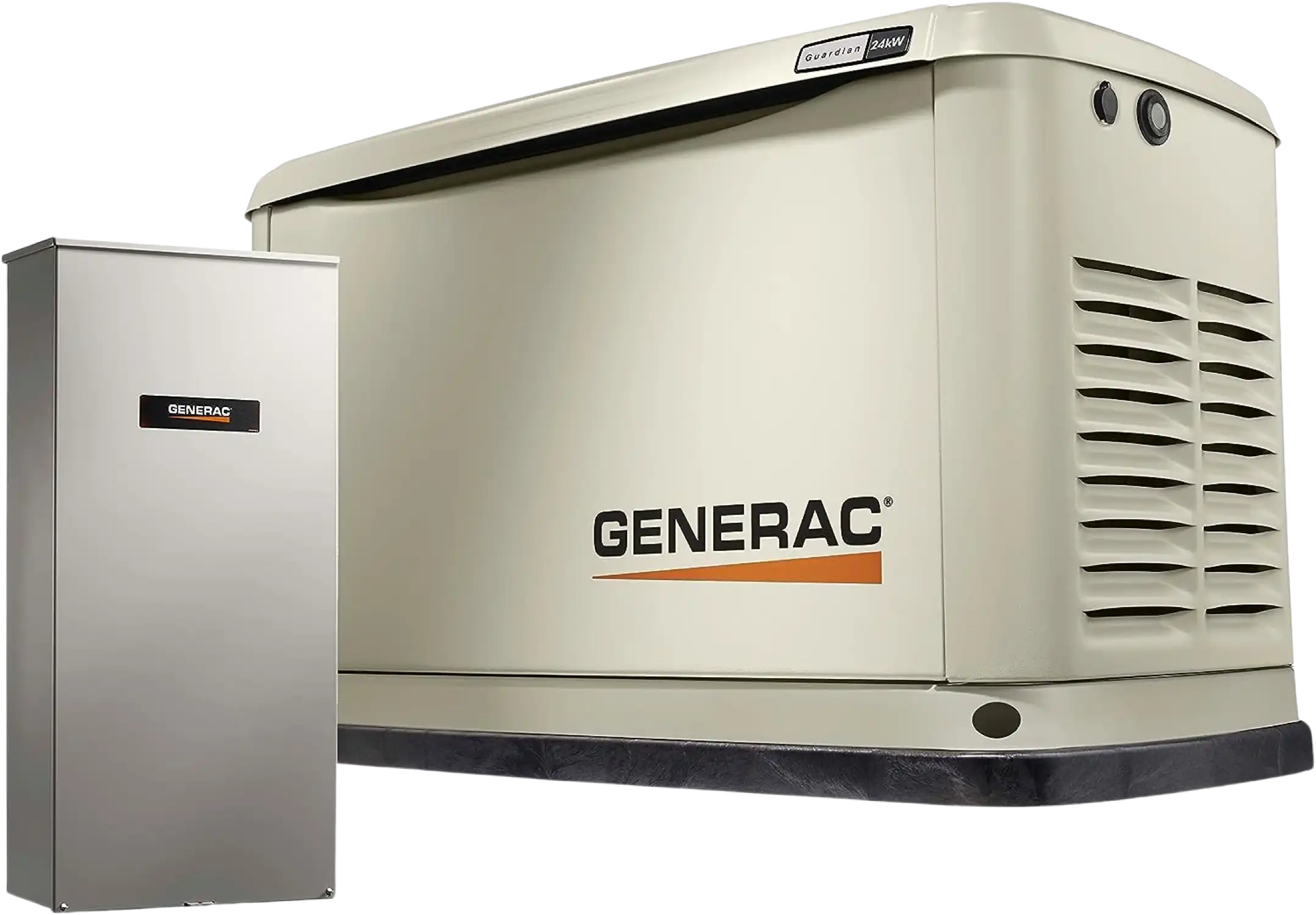
Generac
Generac Guardian 24kW
Generac's current volume flagship: 24kW on propane and 21kW on natural gas from the G-Force 1000 platform, bundled here with a 200-amp service-entrance transfer switch with PWRview energy monitoring. It's pitched as the 22kW's replacement, squeezing 2.6x the power of the baseline air-cooled units from the same-size enclosure, and owners like that it fits the same pad footprint. Real-world reports are strong — seamless transfers, two-AC homes handled with smart load modules — with noise at 67 dB under load and a much quieter 57 dB Quiet-Test. The complaints are familiar: owners report Wi-Fi Mobile Link dropouts, controller boards replaced under warranty, and dealer-network variability that makes your installer choice as important as the machine. Ships as a complete package, which simplifies quotes compared to the à-la-carte SKUs.
Generac
Generac Guardian 26kW
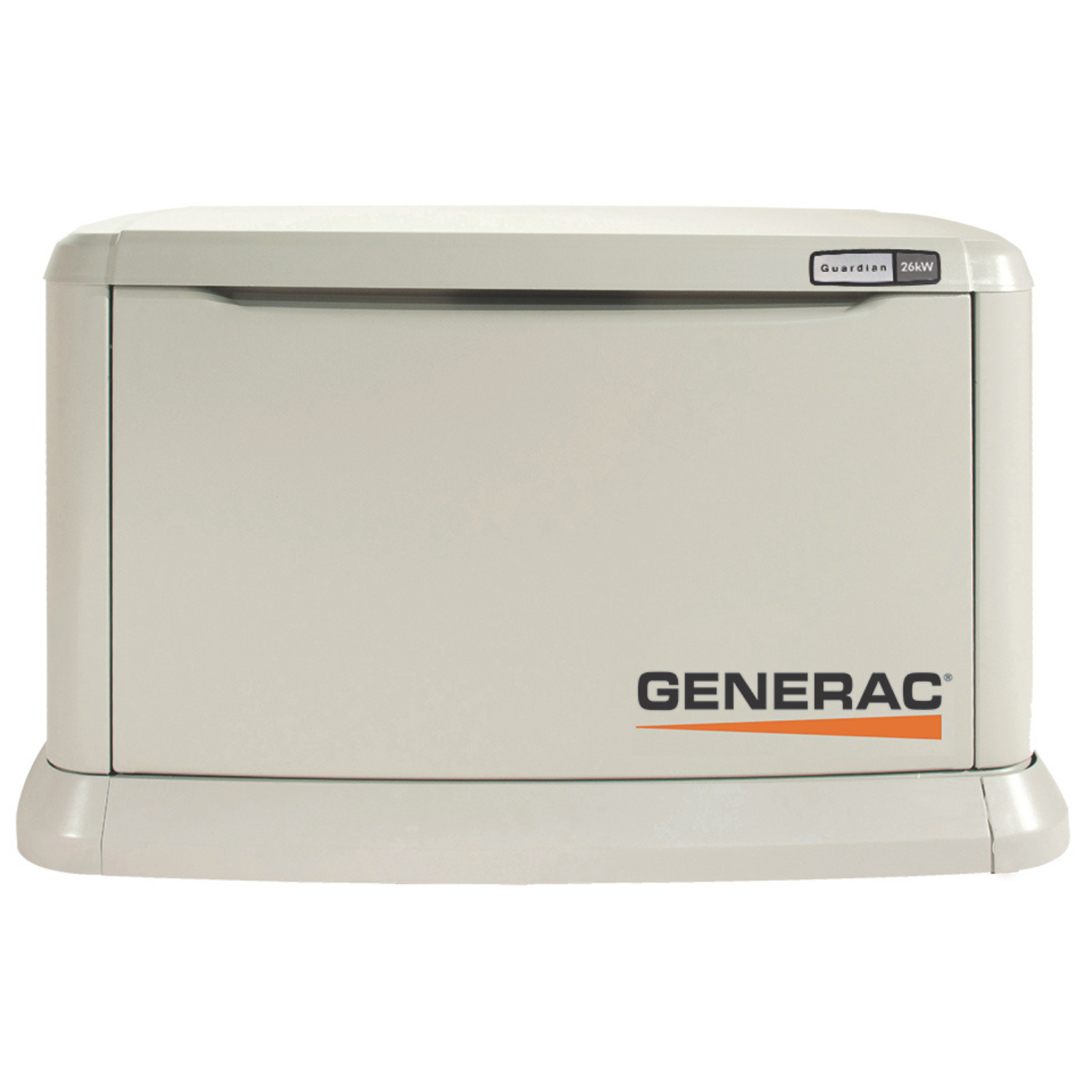
The biggest air-cooled generator Generac makes, and the one owners of large homes buy to avoid stepping up to liquid-cooled money. 26kW on propane (22.5kW on natural gas) with a redesigned alternator delivering 230 LRA of starting grunt means dual 5-ton AC setups are realistic with load management. It's 'smart grid ready' and runs the same Evolution 2 controller and Mobile Link stack as the rest of the line — which cuts both ways, since the controller is also the line's most-reported failure point. Owners praise the density (Generac claims 68% less space than comparable output) and the familiar service ecosystem; the grumbles are the usual dealer-dependent warranty service, the meaningful NG derate, and 67 dB of noise that a big home's yard absorbs better than a small lot does.
Generac
Generac Guardian 22kW
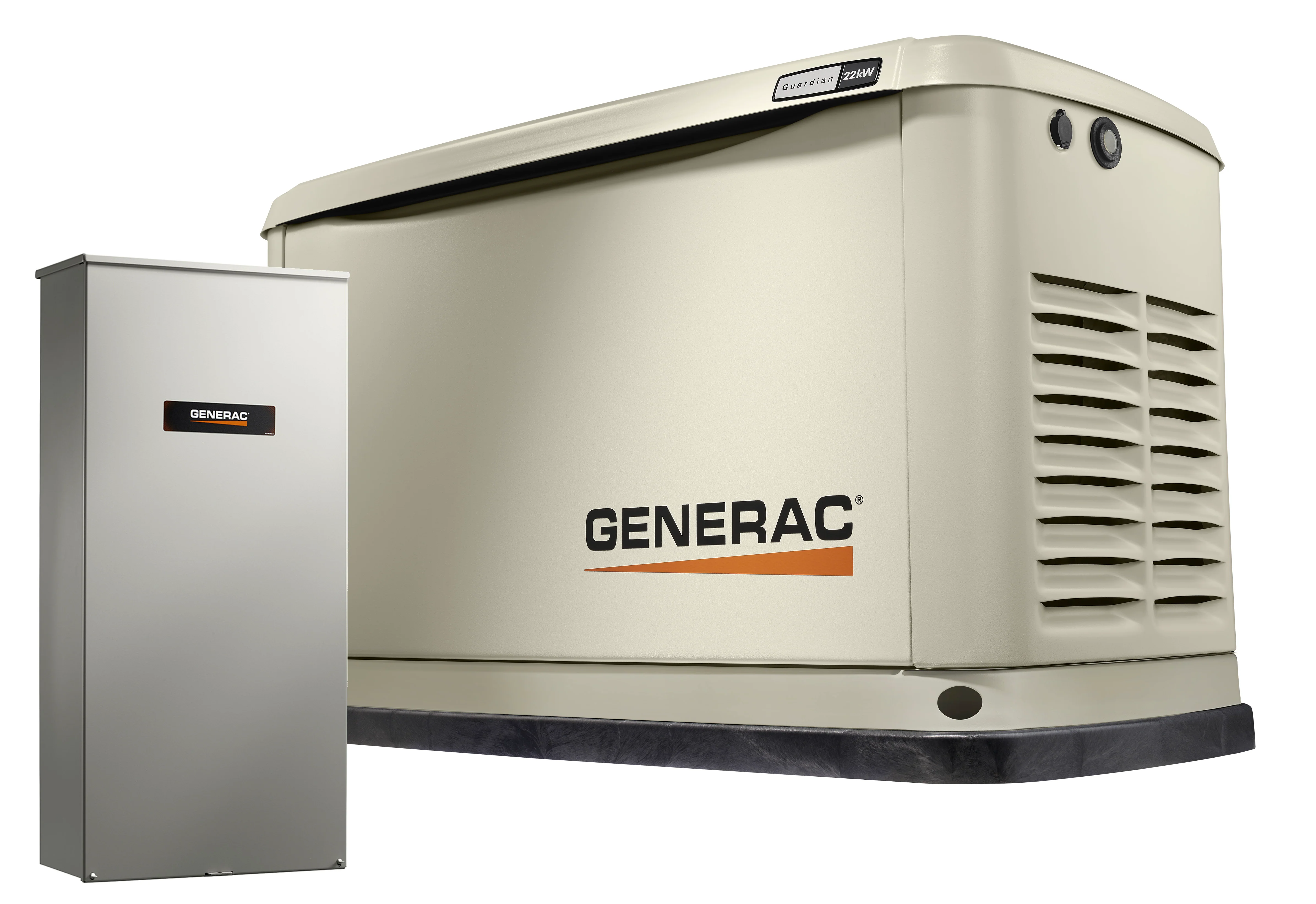
For years the best-selling home standby generator in America, and the sheer volume of owner reviews shows why: the 22kW carries most whole homes — two AC units with load management — and every electrician and gas fitter in the country has installed one. The G-Force 1000 engine and 67 dB noise level are unremarkable but proven; owners report units sailing through week-long outages after hurricanes. The flip side of ubiquity is that the complaint threads are equally deep: Evolution controller replacements, dealers backlogged after storms, and Generac support that owners describe as polite but powerless. The newer 24kW (7209/7210) has largely replaced it at similar money, but the 7042 remains widely stocked, slightly cheaper, and the known quantity — a big deal when your installer has done fifty of them.

Generac
Generac Guardian 18kW
The 18kW is the value pick in the Guardian range on a dollars-per-kilowatt basis — same 816cc G-Force 800 twin as the 14kW, tuned for 18kW on propane and 17kW on natural gas, at only a few hundred dollars more. Owners in hurricane and ice-storm country consistently report it carrying a whole modest home including a 3-ton AC without drama, and the G-Flex variable-speed exercise keeps the weekly test tolerable at 65 dB. The ownership caveats are pure Generac: the Evolution 2 controller is the component that fails, dealers are the only sanctioned path for warranty work, and owners recommend buying the battery and cold-weather kit up front rather than discovering they're extras on install day. If you're between the 14 and this, most owner advice says spend up.

Generac
Generac Guardian 14kW
The 14kW is the sweet spot Guardian for mid-size homes: it steps up to the 816cc twin-cylinder G-Force 800 engine, holds 14kW on both propane and natural gas, and will start a modest central AC with load management. Owners who sized it right describe multi-day outages where it just hummed along at 65 dB with the Quiet-Test weekly cycle keeping neighbors happy. The recurring themes in owner threads mirror the whole Guardian line: buy it for the dealer network and parts availability, not for the customer support experience — Generac corporate routes everything back to dealers, and controller/board warranty claims can drag for weeks. This 7223 SKU is the bare generator; pair it with a 100A or 200A switch, and get quotes, because installed cost typically lands at double the hardware price.

Generac
Generac Guardian 10kW
The entry point to the Guardian line, and the one owners of smaller homes keep recommending because it bundles a 100-amp, 16-circuit transfer switch in the box. The 460cc G-Force 400 engine covers essentials — furnace, fridge, well pump, some lights — not whole-house AC, and owners are clear-eyed about that. At 61 dB it's the quietest Guardian, though people still report it's louder than they expected during weekly exercise. Owner threads praise years of flawless auto-transfers, but the recurring gripes are real: the battery, oil, and some setup parts aren't included, Evolution controller boards have a documented failure pattern, and warranty service depends entirely on how good your local Generac dealer is. Budget for install — most people pay more for wiring and gas work than for the unit.