Head to head
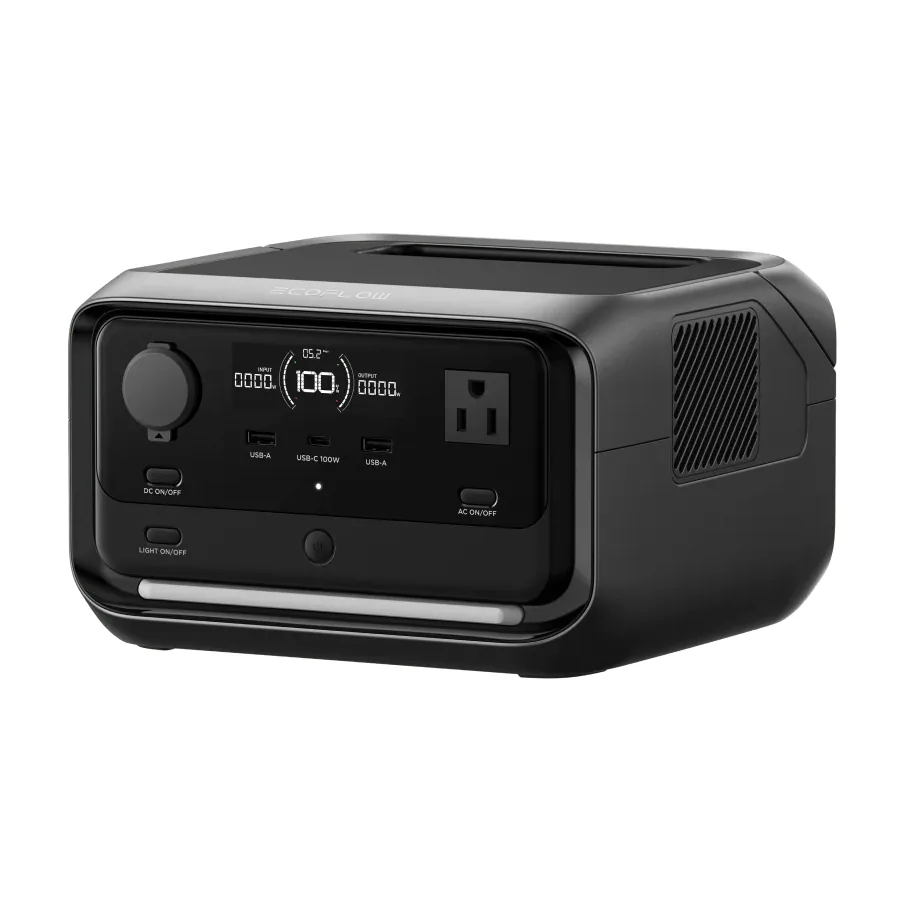
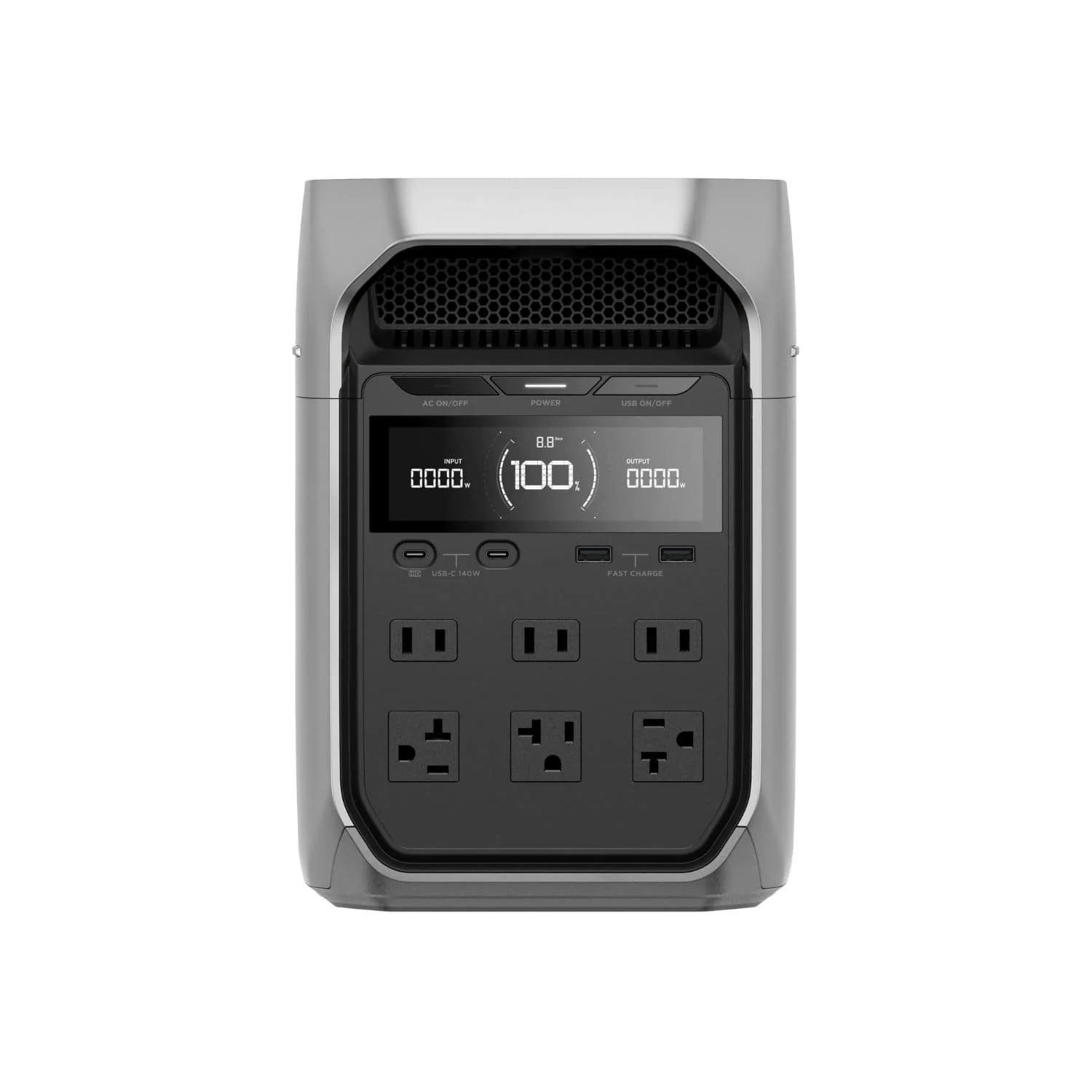
EcoFlow RIVER 3 Plus vs EcoFlow DELTA 3 Plus
EcoFlow · Power Station
EcoFlow DELTA 3 Plus
~$649
1,800 W / 3,600 W surge · up to lights, phones, router, a CPAP
Quick takeThe EcoFlow RIVER 3 Plus lists about $350 lower; the EcoFlow DELTA 3 Plus puts out more sustained power (1,800 W).
| Spec | EcoFlow RIVER 3 Plus | EcoFlow DELTA 3 Plus |
|---|---|---|
| Approx. price | ~$299 | ~$649 |
| Type | Power Station | Power Station |
| Fuel | Battery (LiFePO4) | Battery (LiFePO4) |
| Running / output watts | 600 W | 1,800 W |
| Starting / surge watts | 1,200 W | 3,600 W |
| Battery capacity | 286 Wh | 1,024 Wh |
| Expandable to | 858 Wh | 5,000 Wh |
| Noise | 30 dB | 30 dB |
| Runtime | Fridge (~150W): ~1.5 hrs on base unit; modem plus router (~20W): ~11 hrs | Fridge (~150W): ~6 hrs on base unit |
| Outlets | 3x 120V AC (one front, two rear), 1x 100W USB-C, 2x 12W USB-A, 12V car | 6x 120V 20A AC, 2x 140W USB-C, 2x USB-A, 12V car |
| Fuel tank | — | — |
| Weight | 10.4 lbs | 27.6 lbs |
| Transfer-switch ready | No | No |
| Warranty | 2-year, 5-year with app registration | 5-year |
Highlighted cell is the better figure for that row.
Owner pros and cons
EcoFlow RIVER 3 Plus
- +600W inverter with 1,200W X-Boost covers CPAP, fans and a laptop
- +10ms switchover works as a desk UPS
- +Wire-free stacking with EB300 or EB600 batteries up to 858Wh
- +LiFePO4 cells rated for 3,000 cycles
- −286Wh runs a refrigerator for only an hour or two
- −Extra batteries are an additional purchase and the pair gets pricey
- −Fast AC charging spins the fan up despite the sub-30dB marketing figure
- −The 5-year warranty needs app registration
EcoFlow DELTA 3 Plus
- +10ms UPS switchover; owners run routers, 3D printers and workstations on it
- +0-100% AC charge in ~56 minutes, fastest in class alongside Anker
- +6 AC outlets plus dual 140W USB-C - no fighting over ports
- +LiFePO4 rated ~4,000 cycles, fine to cycle daily for a decade
- +Frequent $599-649 street pricing makes it the value benchmark
- +Dual 500W solar input with high voltage tolerance for easy panel matching
- −1800W inverter is now behind Anker's 2000W at the same price
- −App requires cloud account; occasional firmware nags
- −Extra battery pricing makes expansion math unattractive versus buying bigger upfront