Head to head
SolarEdge Home Battery vs Anker SOLIX X1
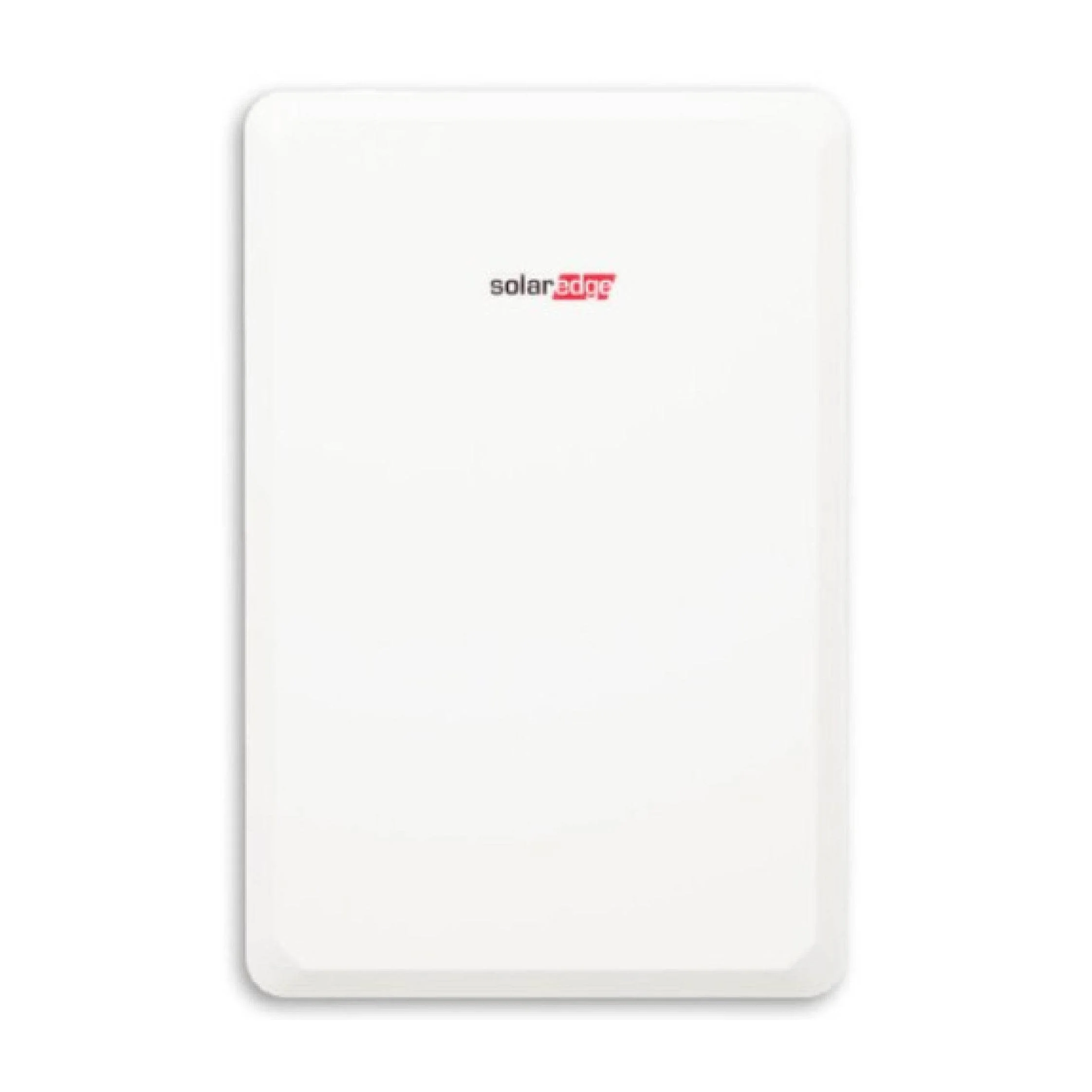
SolarEdge · Home Battery System
SolarEdge Home Battery
~$12,000
5,000 W / 7,500 W surge · up to furnace blower, sump pump or a window AC
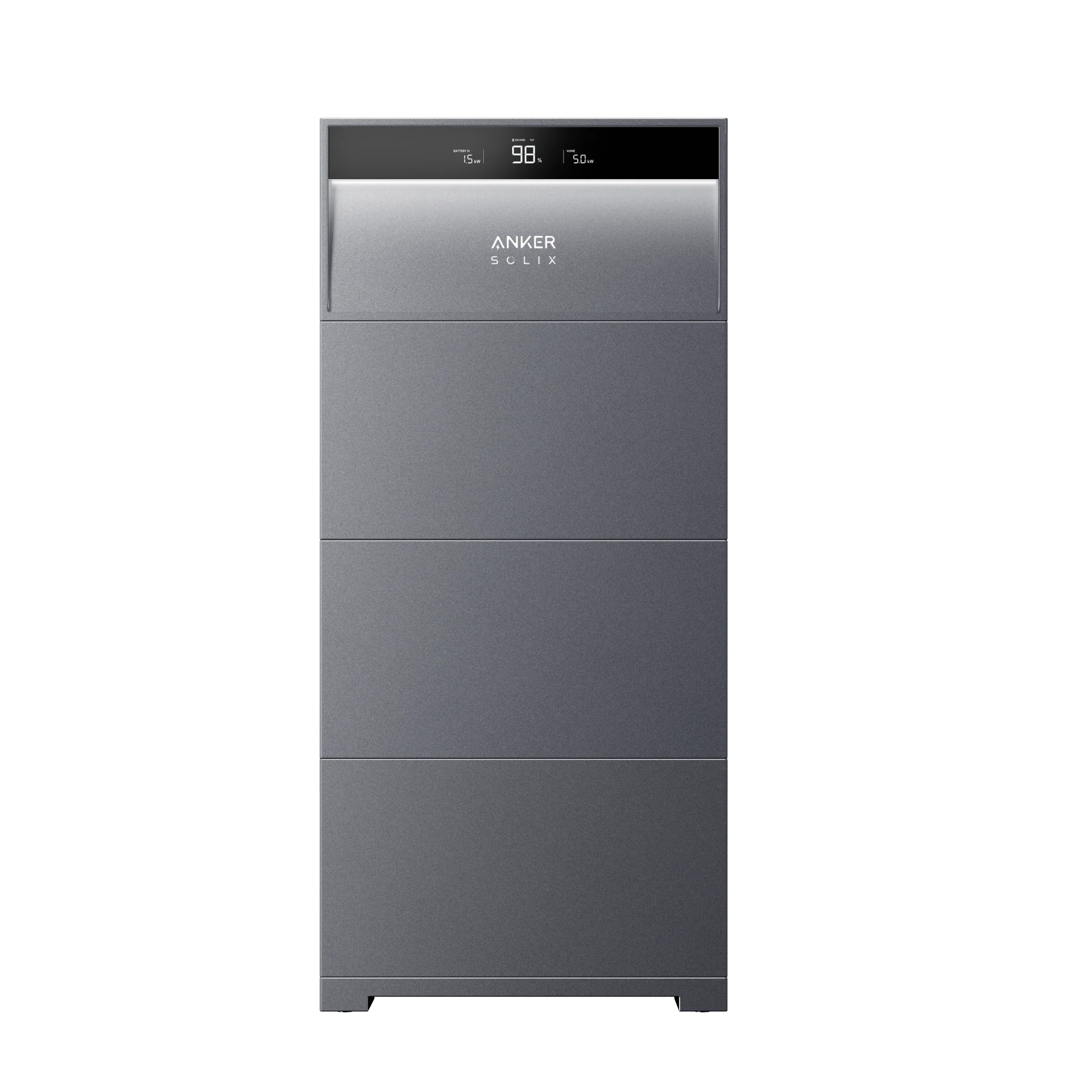
Anker · Home Battery System
Anker SOLIX X1
~$13,000
6,000 W / 12,000 W surge · up to furnace blower, sump pump or a window AC
Quick takeThe SolarEdge Home Battery lists about $1,000 lower; the Anker SOLIX X1 puts out more sustained power (6,000 W).
| Spec | SolarEdge Home Battery | Anker SOLIX X1 |
|---|---|---|
| Approx. price | ~$12,000 | ~$13,000 |
| Type | Home Battery System | Home Battery System |
| Fuel | Battery (NMC) | Battery (LiFePO4) |
| Running / output watts | 5,000 W | 6,000 W |
| Starting / surge watts | 7,500 W | 12,000 W |
| Battery capacity | 9,700 Wh | 15,000 Wh |
| Expandable to | 29,100 Wh | 180,000 Wh |
| Noise | — | — |
| Runtime | Fridge (~150W): ~55 hrs (2+ days) per unit | Fridge (~150W): ~68 hrs (12kWh usable) per 15kWh stack |
| Outlets | Hardwired 240V DC-coupled to SolarEdge Home Hub inverter | Hardwired 120/240V split-phase whole-home or partial backup |
| Fuel tank | — | — |
| Weight | 238 lbs | 431 lbs |
| Transfer-switch ready | Yes | Yes |
| Warranty | 10-year | 10-year |
Highlighted cell is the better figure for that row.
Owner pros and cons
SolarEdge Home Battery
- +Highest solar-to-storage efficiency via DC coupling (94.5%+)
- +Clean single-app monitoring with existing SolarEdge systems
- +Stacks to 29.1kWh on a single Home Hub inverter
- +Wall or floor mount, NEMA 3R outdoor-rated
- +Mid-pack installed pricing for a tier-1 brand
- −NMC chemistry trails the industry's LFP shift on cycle life and thermal margin
- −5kW continuous is the weakest whole-home rating in this group
- −Locked to SolarEdge inverters - useless for other ecosystems
- −Mixed owner reviews on SolarEdge support responsiveness
- −Company financial turbulence raises long-warranty-horizon questions
Anker SOLIX X1
- +Best-in-class industrial design - garage-showpiece aesthetics
- +5kWh modular growth beats buying whole extra cabinets
- +Full-rate output down to -4°F verified by spec sheet
- +Scales to 36kW / 180kWh across six systems
- +Hardware pricing (~$650/kWh) undercuts most installed rivals
- −Thin installer network - many regions have zero certified coverage
- −Quote variance is extreme where installers do exist
- −12kWh usable from a 15kWh stack (90.2% RTE) disappoints spec-readers
- −6kW continuous is half a Powerwall 3 - two stacks needed for big HVAC
- −Young platform with a short field-reliability record