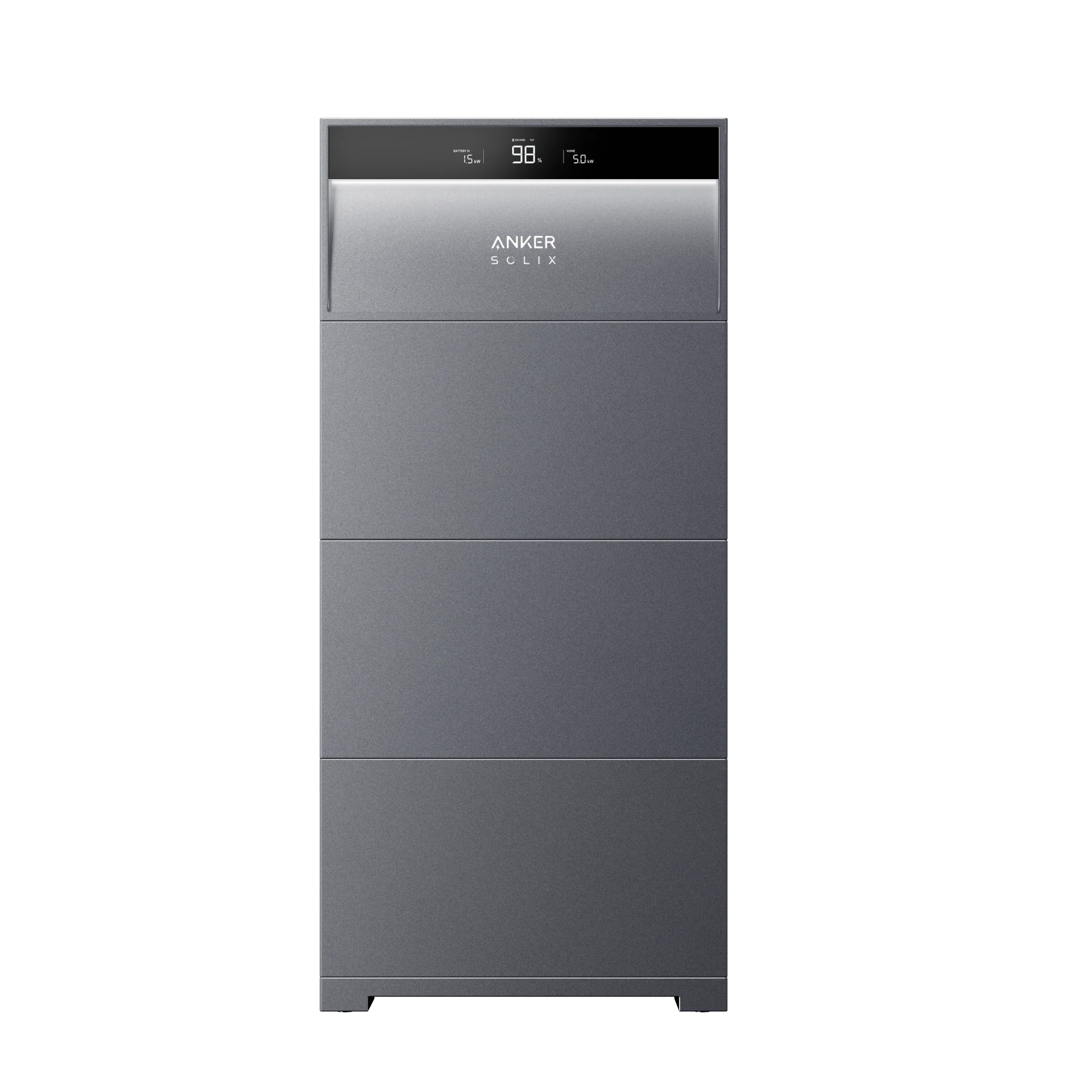
Anker
Anker SOLIX X1
Anker's professionally-installed system, built from slim 5kWh modules into the best-looking cabinet in the business - reviewers keep calling it the battery you don't need to hide. Price shown is a typical installed 15kWh configuration (~$9,750-11,000 hardware plus $1,500-5,000 installation). The 6kW/12kW-peak power module handles essential-loads or whole-home duty, modules run at full power from -4°F thanks to per-pack thermal management, and systems parallel to a monstrous 180kWh. Reviewers praise the modular economics - add 5kWh at a time instead of a whole second cabinet. The catch owners and forum threads flag: the certified-installer network is much thinner than Tesla's or Enphase's, so quotes swing wildly and some regions simply have no coverage; the app is solid but young; and 12kWh usable from the '15kWh' stack (90.2% round-trip) needs reading of the fine print.
Specifications
Highlights
What owners like
- ✓Best-in-class industrial design - garage-showpiece aesthetics
- ✓5kWh modular growth beats buying whole extra cabinets
- ✓Full-rate output down to -4°F verified by spec sheet
- ✓Scales to 36kW / 180kWh across six systems
- ✓Hardware pricing (~$650/kWh) undercuts most installed rivals
Common complaints
- ✗Thin installer network - many regions have zero certified coverage
- ✗Quote variance is extreme where installers do exist
- ✗12kWh usable from a 15kWh stack (90.2% RTE) disappoints spec-readers
- ✗6kW continuous is half a Powerwall 3 - two stacks needed for big HVAC
- ✗Young platform with a short field-reliability record
Owner Insightssummarized from Reddit and owner forums
The SOLIX X1 is Anker's bid to turn power-bank brand trust into a five-figure home installation, and the hardware makes a strong first impression: slim 5kWh modules in a 5.5-inch-deep cabinet that reviewers keep calling the best-looking battery sold, per-module thermal management that holds full output at -4F, and expansion that runs to a frankly absurd 180kWh. Buyers skew two ways in the threads - design-conscious homeowners who refuse a refrigerator-sized box on the house, and cold-climate owners who noticed everyone else's derating footnotes. Australia adopted it fastest, where it cracked the top five battery brands within a couple of years; the US rollout is younger.
Ownership reports are positive but thin on years. A diysolarforum member running a 40kWh configuration describes it as basically silent with drama-free commissioning, and installers who carry the line praise Anker's factory support and low callback rates. The friction shows up before the contract: Anker gates pricing behind a personal-information form, the certified-installer network skips entire regions, and quotes for the same 15kWh configuration land anywhere from about $11,000 to $16,000 installed depending on who answers. Owners also flag the capacity fine print - a 15kWh stack yields 12kWh usable at 90.2 percent round trip - and the app, while stable, lacks the data depth long-time Tesla owners expect. The deeper forum concern is structural: a fully proprietary system from a company new to installed energy means no third-party service path if Anker's commitment wavers.
Best for design-driven buyers in covered markets who want granular expansion and cold-weather confidence, and for anyone whose quote comes in aggressive - Anker has been pricing to win share. Cross-shoppers compare it against Powerwall 3 (more power, more usable energy per dollar, vastly bigger installer network) and FranklinWH (better whole-home architecture, generator support), with the X1 winning on looks, modularity, and quiet. The sensible forum advice: get the Anker quote alongside a Tesla and Franklin quote, and let the per-usable-kWh math and your region's installer depth make the call.
What owners like
- +Basically silent in operation - a diysolarforum owner running 40kWh specifically calls out the lack of fan noise
- +The 5.5-inch-deep cabinet fits along walls where boxier rivals eat a parking spot
- +Full rated output down to -4F with per-module heating - cold-garage and outdoor installs run without winter derating
- +Growing 5kWh at a time is cheaper and easier than adding a whole second cabinet like Powerwall expansion demands
- +Overseas track record is reassuring: it climbed to a top-five battery brand ranking in Australia's brutal market
- +Storm Guard pre-charging and NEM 3.0 self-consumption modes shipped working, not promised
- +Installers who carry it report good factory support and low callback rates, which shows in their enthusiasm
- +180kWh maximum scale covers estate-sized and small-commercial projects most residential brands can't touch
Common complaints
- −Anker gates pricing behind a contact form - owners resent handing over personal info just to see a number
- −Coverage is patchy: some metros have multiple certified installers, whole regions have none, and quotes swing accordingly
- −Fully proprietary stack - forum skeptics note that if Anker exits installed storage, there is no third-party service path
- −The 15kWh marketing number is 12kWh usable at 90.2 percent round trip - fine print owners wish they'd read sooner
- −6kW continuous is modest for whole-home duty; heat-pump homes need careful load design or a bigger power module
- −The app is competent but young, missing the historical data depth Tesla and Enphase owners take for granted
- −Short US install history means few multi-year reliability reports to lean on before writing a five-figure check
- −No DIY path in North America despite the hardware's modular friendliness - certified installers only
Common Questions
How many SOLIX X1 modules do I need for whole-home backup?
Why can't I find a price for the X1 online?
Does the X1 work in freezing weather?
Can I add more capacity later?
Is Anker a safe bet for a 10-year battery commitment?
Does the X1 work with existing solar?
Related units
More from Anker →
The enthusiast favorite for DIY whole-home backup, and the unit r/Anker and diysolarforum threads obsess over. 6000W split-phase with both a NEMA 14-50 and L14-30 on the face means it plugs straight into a generator inlet - no adapters - and can trickle-charge an EV. The Plus revision added 3,200W solar input and gas-generator charging input, fixing the two biggest F3800 complaints. Anker's permanent price cut to $2,499 (from $4,799 launch) made it the per-kWh bargain of the big-battery class. Owner quirks: a documented buzzing noise traced to a ferrite bead that firmware only partially fixed, fans that are unapologetically loud during 2,400W charging, and Home Power Panel installs that depend on finding a willing electrician. Support experiences vary wildly in owner reports - some get instant advance replacements, others chase tickets for weeks.

Anker's suitcase-style 2kWh veteran - launched 2022, still sold in 2026 because constant $799-999 deals keep it moving. The rolling-luggage design with a pull handle is the feature owners mention most; 67 lbs rolls fine but the top-mounted ports mean bending over a lot. SurgePad pushes it to 3600W briefly, and the TT-30 makes it a natural for smaller RVs. GaNPrime charging does 0-80% in 1.4 hours, which was headline speed in 2022 and is merely fine now. Owner threads flag its age honestly: no UPS mode (there's a delay on switchover), the display washes out in sunlight, solar input caps at 1000W, and the app is the older Anker platform with fewer controls. Reliability sentiment is strong though - lots of three-year owners with zero issues, and the 5-year full-device warranty is unusual for its generation.
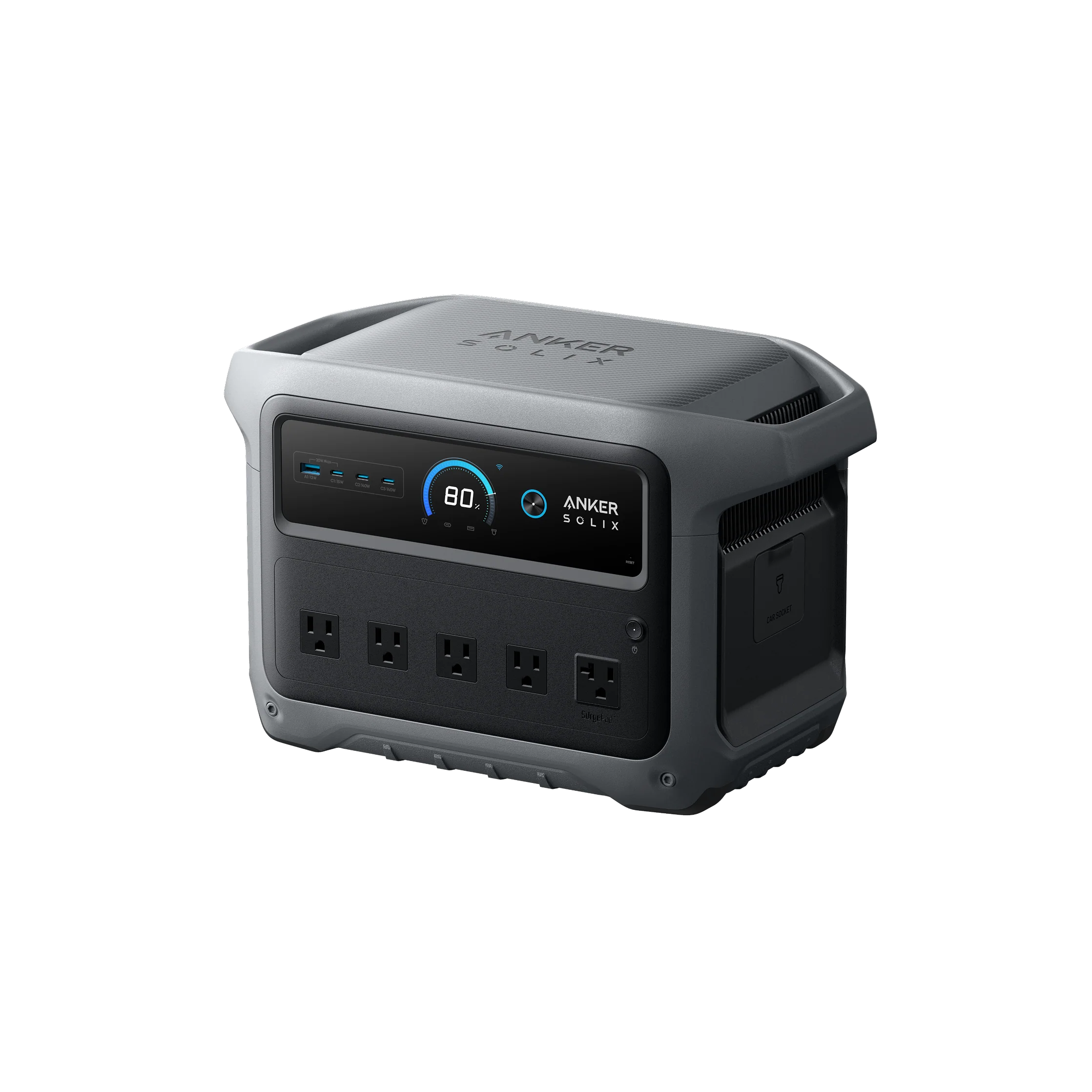
The 2026 'best overall' pick on multiple tested lists, and the current answer in the sub-$500 1kWh knife-fight. Anker took the already-popular C1000, cut 3.5 lbs, bumped output to 2000W, added a 10ms UPS mode, and kept HyperFlash charging (full in 49 minutes). Owners describe it as nearly silent at low loads - the 20dB claim holds for trickle duty, though the fan is audible during 1,600W charging. The catch that surprises upgraders: Gen 2 dropped expansion support entirely - the old BP1000 battery is not compatible, so 1kWh is what you get forever. Other nitpicks from owner threads: USB-A is a weak 12W, and the plastic shell feels less premium than the weight suggests. At its perpetual ~$499 street price, it's the strongest pure value in portable power right now.
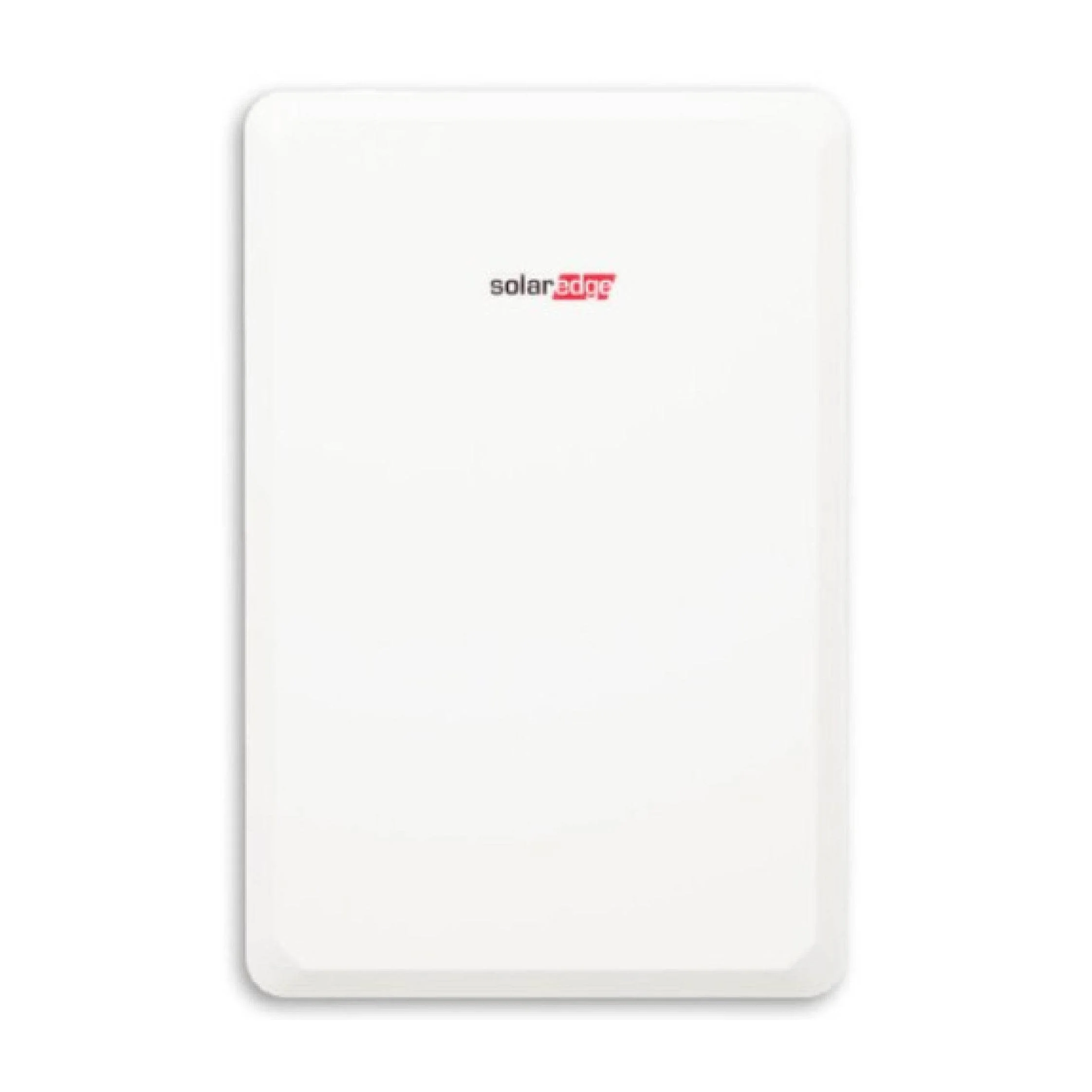
SolarEdge
SolarEdge Home Battery
The default add-on for the millions of homes already running SolarEdge inverters. Its DC-coupled architecture is the technical selling point: solar charges the battery without a DC-AC-DC round trip, giving 94.5%+ efficiency - the best path from panel to stored kWh of anything here. 9.7kWh usable, 5kW continuous (7.5kW/10s peak), stacking three-high to 29.1kWh on one Home Hub inverter. Price shown is a typical installed cost; projects commonly land $7,000-15,000 depending on region and wiring. The caveats owners raise: it's NMC chemistry in an increasingly LFP world, 5kW continuous won't start big HVAC without careful load design, it only works within the SolarEdge ecosystem, and SolarEdge's post-2023 corporate turbulence plus mixed support reviews give some buyers pause. For existing SolarEdge homes though, nothing else integrates as cleanly.
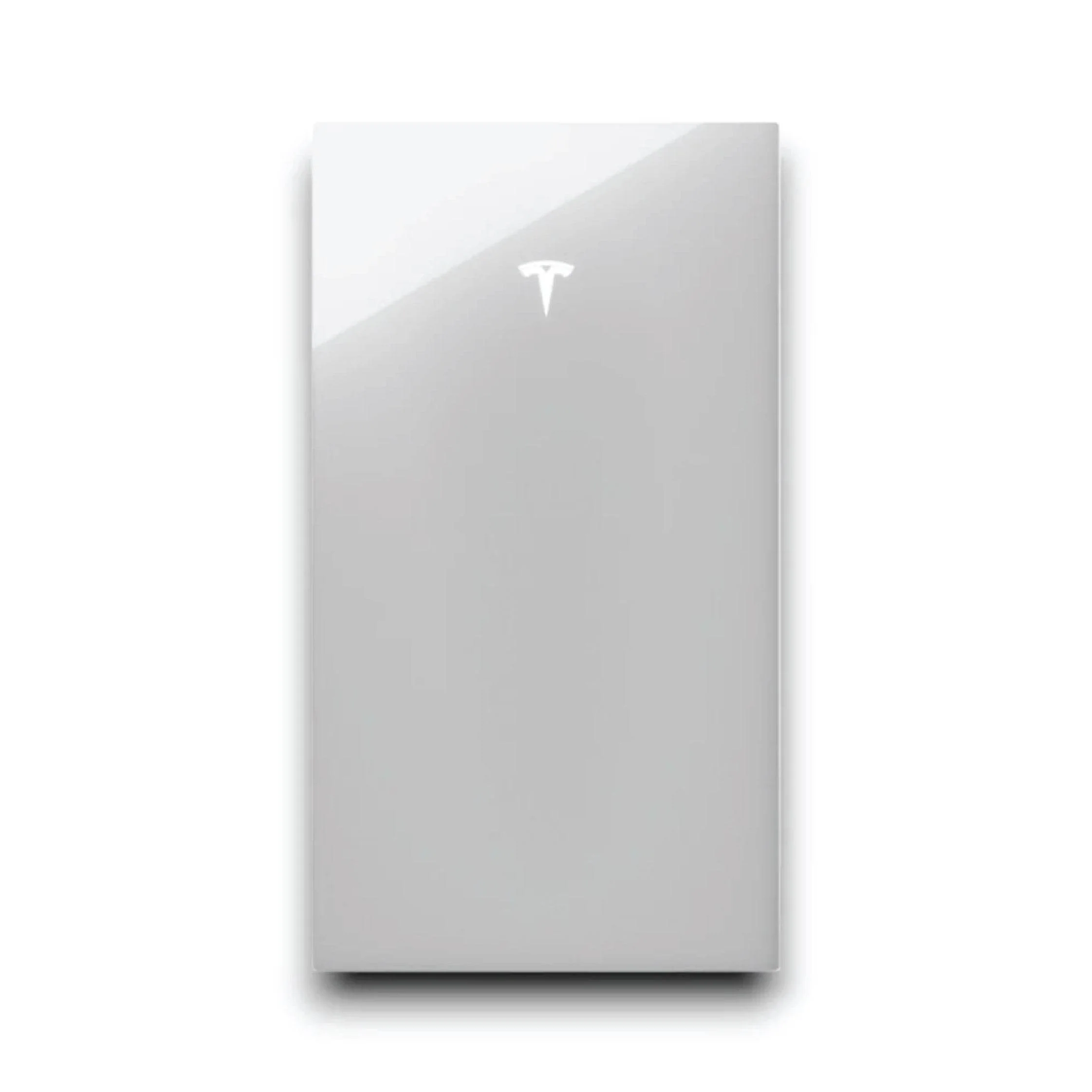
Tesla
Tesla Powerwall 3
The reference point every other home battery is measured against. Price shown is typical installed cost ($13,000-16,500 in 2026, roughly $9,300-11,500 hardware). One unit delivers 11.5kW continuous with a 185A locked-rotor start rating - enough to run and start central air - plus an integrated 6-MPPT solar inverter that eliminates a separate inverter purchase. LFP chemistry, 97.5% efficiency, 10-year warranty. Owner sentiment: the app is universally called the best in the industry, and per-kWh installed cost is hard to beat. The complaints are real though: a subset of owners report a persistent two-tone hum/vibration from the cooling system audible through garage walls, support tickets that stall between Tesla and third-party installers, and quote quality varies enormously by installer. Expansion packs (13.5kWh, no inverter) bring a unit to 54kWh.
FranklinWH
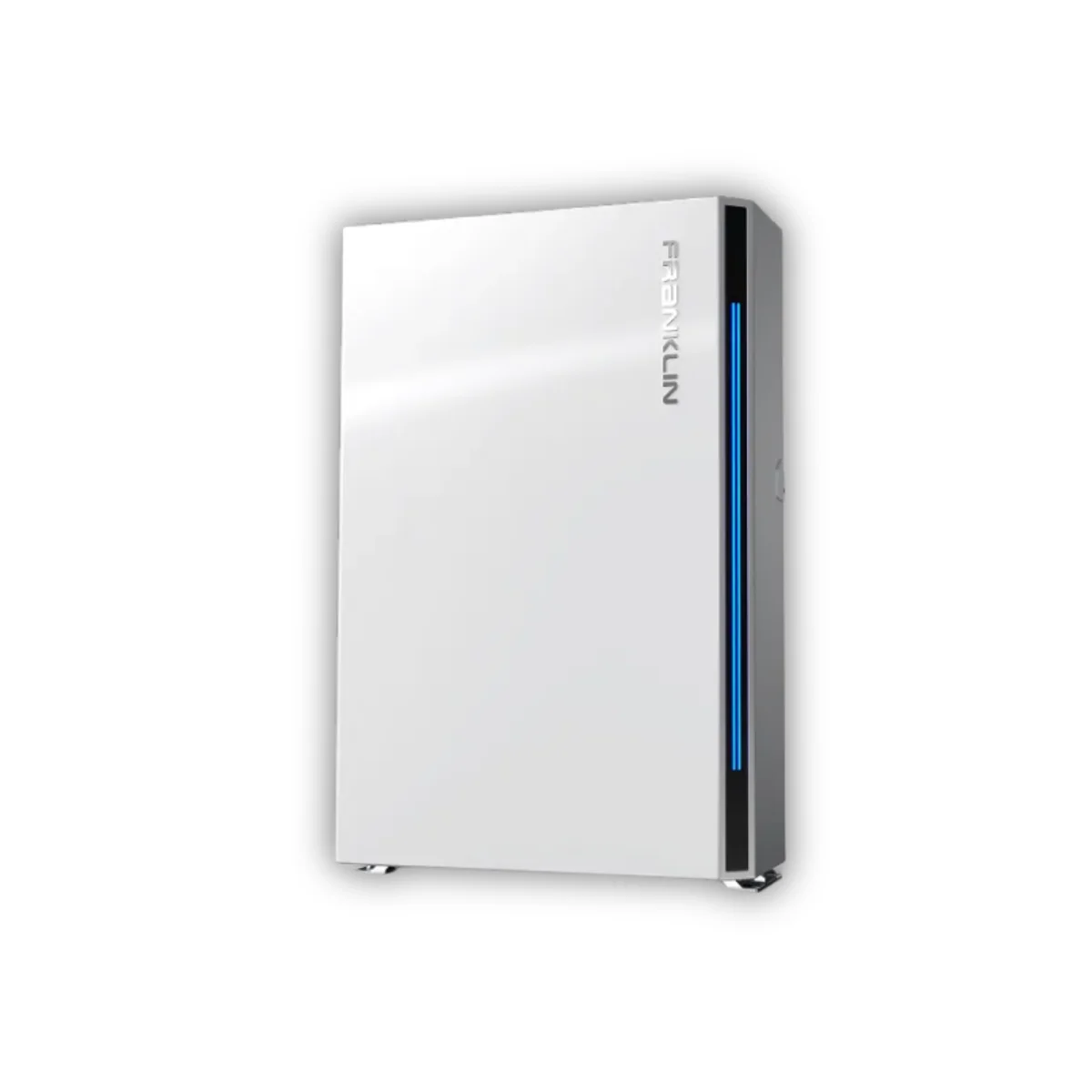
FranklinWH aPower 2
The Powerwall alternative installers keep steering people toward in 2026, and owner satisfaction scores back them up. One cabinet holds 15kWh - the most storage per unit of any mainstream battery - with 10kW continuous and a 15kW/10-second surge rated to start a 5-ton air conditioner. Price shown is typical installed cost with the aGate controller ($12,000-20,000 depending on market). Because it's AC-coupled, it retrofits onto any existing solar inverter brand - the single biggest reason people pick it over Powerwall 3. The aGate handles whole-home transfer plus generator and even EV-as-load integration. Owner gripes are modest: quotes vary widely between dealers, the app covers essentials but lacks Tesla's polish and power-user data, and the dealer network, while growing fast, is thinner than Tesla's. Expansion runs to a ridiculous 225kWh across 15 units.