
EG4
EG4 PowerPro WallMount All Weather
The DIY community's darling and the reigning value champion of home storage: 14.3kWh of UL9540-listed, heated, IP65 outdoor-rated LiFePO4 for around $3,300 hardware - roughly $230/kWh, a fifth of installed-brand pricing. Price shown is hardware MSRP for the battery alone; you supply the inverter (usually EG4's 18kPV or FlexBOSS21) and either DIY or hire an electrician. diysolarforum threads are full of multi-unit builds - it parallels to 85.8kWh - and long-term owner reports are strongly positive: 8,000-cycle rating, self-heating below freezing, and 200A continuous discharge. The honest downsides: support is email/forum-grade compared to a dealer network, closed-loop comms with non-EG4 inverters take firmware fiddling, permitting and insurance for self-installs varies by jurisdiction, and 308.6 lbs makes hanging it a genuine engineering project.
Specifications
Highlights
What owners like
- ✓Unmatched price per kWh - about one-fifth of turnkey-brand installed cost
- ✓Full UL9540/UL1973 listing satisfies inspectors, rare at this price
- ✓IP65 + built-in heater enables genuine outdoor mounting in cold climates
- ✓8,000 cycles at 80% DoD - decades of daily cycling
- ✓Parallels to 85.8kWh for off-grid-scale builds
- ✓10-year warranty from an established US-support operation
Common complaints
- ✗Battery only - inverter, wiring, and labor are on you
- ✗Support is responsive but DIY-grade; no dealer hand-holding
- ✗Firmware/comms quirks pairing with non-EG4 inverters
- ✗308.6 lbs makes wall-mounting a multi-person job
- ✗Self-install may complicate permits and homeowners insurance
Owner Insightssummarized from Reddit and owner forums
The PowerPro WallMount is the battery that broke residential storage pricing, and the DIY solar community adopted it as a cause. With 2025-2026 price cuts putting 14.3kWh of UL9540A-listed LiFePO4 at $2,700-3,400 in hardware - under $240/kWh against the $800-1,000-plus installed brands charge - the value gap is so wide that diysolarforum threads treat branded batteries as a punchline. The buyers are self-installers pairing it with EG4's 18kPV or FlexBOSS21 inverters, off-gridders stacking multiple units toward the 85.8kWh ceiling, and a growing number of independent electricians building whole-home systems at roughly $600-800/kWh installed - still around half of a Powerwall or FranklinWH quote.
The ownership experience is honest about what you traded for the price. The hardware itself earns strong long-term reports: the IP65 shell and self-heating hold up through outdoor winters, and capacity complaints are rare once a pack is properly commissioned - though some units arrive needing a top-balance to reach full capacity, a known forum ritual. The pain lives in communications and firmware: W000 comm-failure errors that can push the inverter into standby, battery firmware updates that require both an RS485 and an RS232 cable (owners routinely discover the second requirement mid-update), and at least one firmware release that broke app connectivity until the forum crowdsourced a fix. Support is Signature Solar tickets plus responsive-but-unofficial forum reps - fine for the patient, alarming for anyone expecting a dealer to answer the phone during an outage.
This is the obvious pick for hands-on owners who read manuals for fun and want maximum storage per dollar with real UL paperwork - and the wrong pick for anyone who wants a system that is somebody else's problem. Cross-shoppers inside the DIY world weigh it against server-rack batteries (cheaper per kWh, uglier, no wall mount or IP rating) and Ruixu or SOK packs; cross-shoppers outside it compare a two-unit EG4 build at roughly $15,000-20,000 all-in against a similar-capacity two-Powerwall or two-FranklinWH quote at $25,000-35,000. The forum consensus: the discount is real, the cycle life is real, and you are the service department - price accordingly.
What owners like
- +Unbeatable math: hardware has dipped to $2,700-3,400 per 14.3kWh in 2025-2026 price drops - under $240/kWh
- +Even professionally installed, builds land around $600-800/kWh - still half of what branded-battery quotes run
- +Self-heating actually works: cold-climate owners on diysolarforum report reliable charging through sub-zero winters outdoors
- +IP65 rating means it mounts on an exterior wall, skipping the garage-space fight entirely
- +Quick-connect cabling and pre-set closed-loop comms with EG4 inverters make first-timer commissioning genuinely approachable
- +Six-unit parallel scaling to 85.8kWh lets off-grid builds grow one battery at a time
- +The 8,000-cycle rating means daily cycling for two decades on paper - double most branded batteries
- +Massive documented install base on DIY Solar Forum means almost every problem you hit has a solved thread
Common complaints
- −Communication faults are the recurring nightmare: W000 errors and comm-loss events can drop the inverter to standby - a blackout from a data cable
- −Battery firmware updates need both RS485 and RS232 cables, and owners discover the second cable requirement mid-update
- −Some packs arrive with cells needing a top-balance before they will hit full capacity - a known forum ritual
- −A firmware update has broken app connectivity for some owners, with fixes crowdsourced rather than pushed
- −Support is Signature Solar tickets and forum reps, not a truck that shows up - RMA turnaround stories vary widely
- −308 pounds on a wall bracket - hanging one solo is how people get hurt, and two-person lifts are non-negotiable
- −Pairing with non-EG4 inverters (Victron, Sol-Ark) means DIP-switch and protocol fiddling that EG4 doesn't officially bless
- −Self-installed systems face permitting, interconnection, and homeowner-insurance questions that vary wildly by county
Common Questions
Can I really install this myself legally?
What inverter should I pair with it?
How many PowerPro units do I need for whole-home backup?
Does it survive winter outdoors?
What is the warranty and who actually honors it?
How does it compare to a Tesla Powerwall on cost?
Related units
More from EG4 →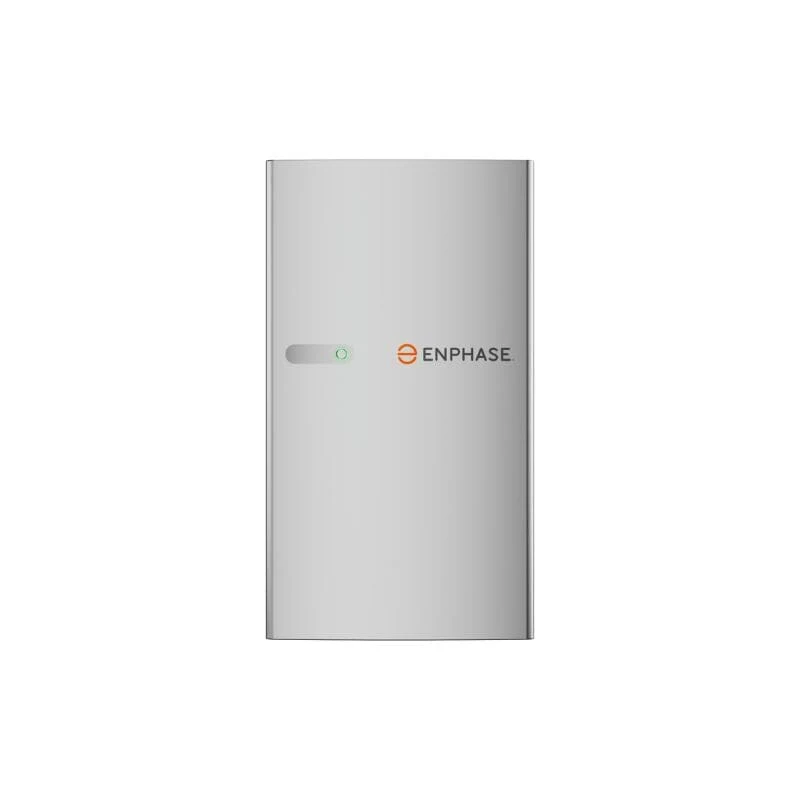
Enphase
Enphase IQ Battery 5P
The modular, reliability-first choice - especially for homes already running Enphase microinverters. Each 5kWh module contains six grid-forming microinverters producing 3.84kW continuous (7.68kW peak for motor starts), and you stack modules to fit the budget. Price shown is typical installed cost per module ($5,000-8,000 depending on region and whether a System Controller is included). The 15-year/6,000-cycle warranty is the longest in the industry by five years, and it's the spec owners cite most when justifying the premium. The criticism is always the same: per-kWh cost runs $1,000-1,600 installed - roughly double a Powerwall 3 - and whole-home backup realistically needs three-plus modules and the IQ System Controller before it starts a heat pump. Owner sentiment on the Enphase app and the no-single-point-of-failure architecture is very positive; sentiment on the final invoice less so.
SolarEdge
SolarEdge Home Battery
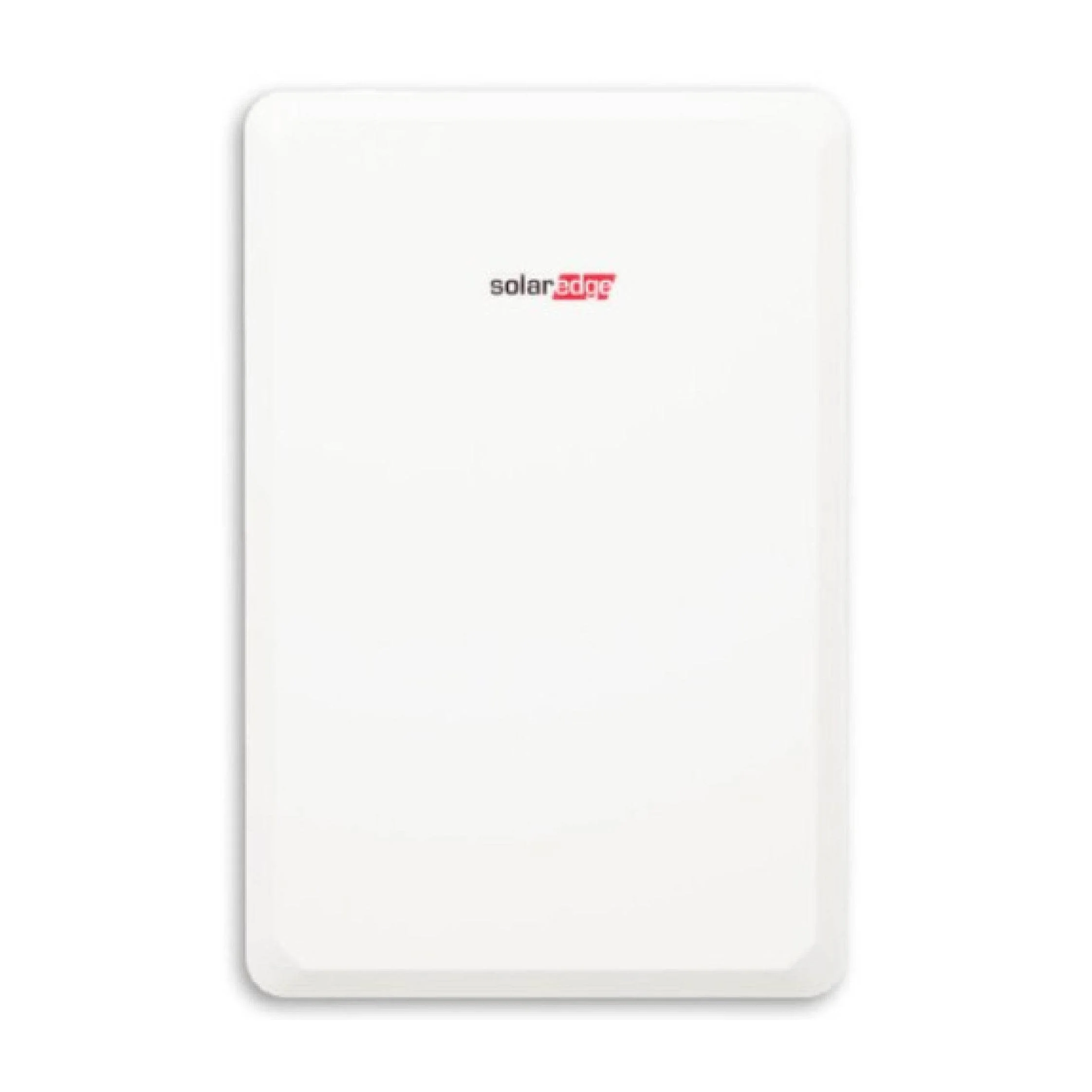
The default add-on for the millions of homes already running SolarEdge inverters. Its DC-coupled architecture is the technical selling point: solar charges the battery without a DC-AC-DC round trip, giving 94.5%+ efficiency - the best path from panel to stored kWh of anything here. 9.7kWh usable, 5kW continuous (7.5kW/10s peak), stacking three-high to 29.1kWh on one Home Hub inverter. Price shown is a typical installed cost; projects commonly land $7,000-15,000 depending on region and wiring. The caveats owners raise: it's NMC chemistry in an increasingly LFP world, 5kW continuous won't start big HVAC without careful load design, it only works within the SolarEdge ecosystem, and SolarEdge's post-2023 corporate turbulence plus mixed support reviews give some buyers pause. For existing SolarEdge homes though, nothing else integrates as cleanly.
Anker
Anker SOLIX X1
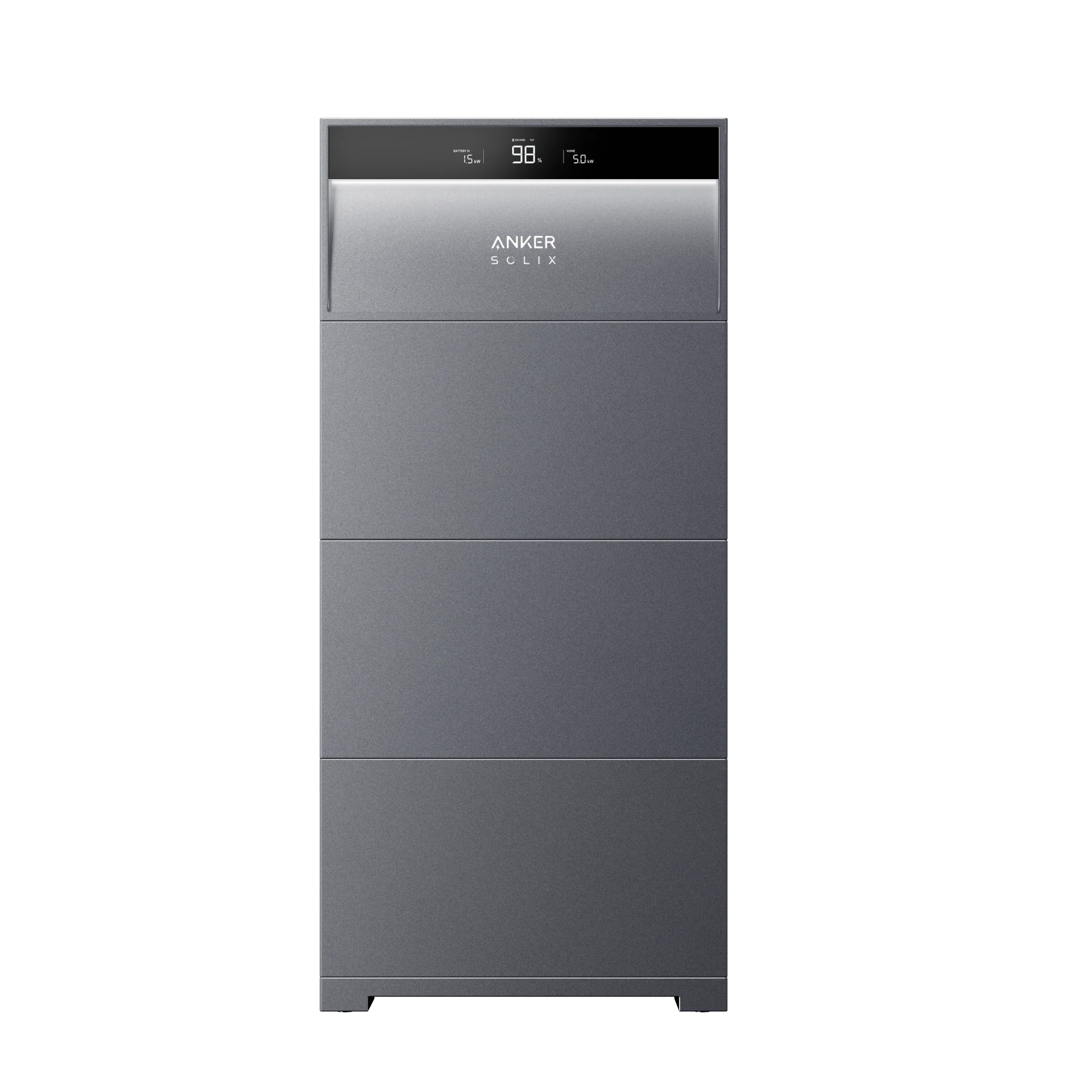
Anker's professionally-installed system, built from slim 5kWh modules into the best-looking cabinet in the business - reviewers keep calling it the battery you don't need to hide. Price shown is a typical installed 15kWh configuration (~$9,750-11,000 hardware plus $1,500-5,000 installation). The 6kW/12kW-peak power module handles essential-loads or whole-home duty, modules run at full power from -4°F thanks to per-pack thermal management, and systems parallel to a monstrous 180kWh. Reviewers praise the modular economics - add 5kWh at a time instead of a whole second cabinet. The catch owners and forum threads flag: the certified-installer network is much thinner than Tesla's or Enphase's, so quotes swing wildly and some regions simply have no coverage; the app is solid but young; and 12kWh usable from the '15kWh' stack (90.2% round-trip) needs reading of the fine print.
Tesla
Tesla Powerwall 3
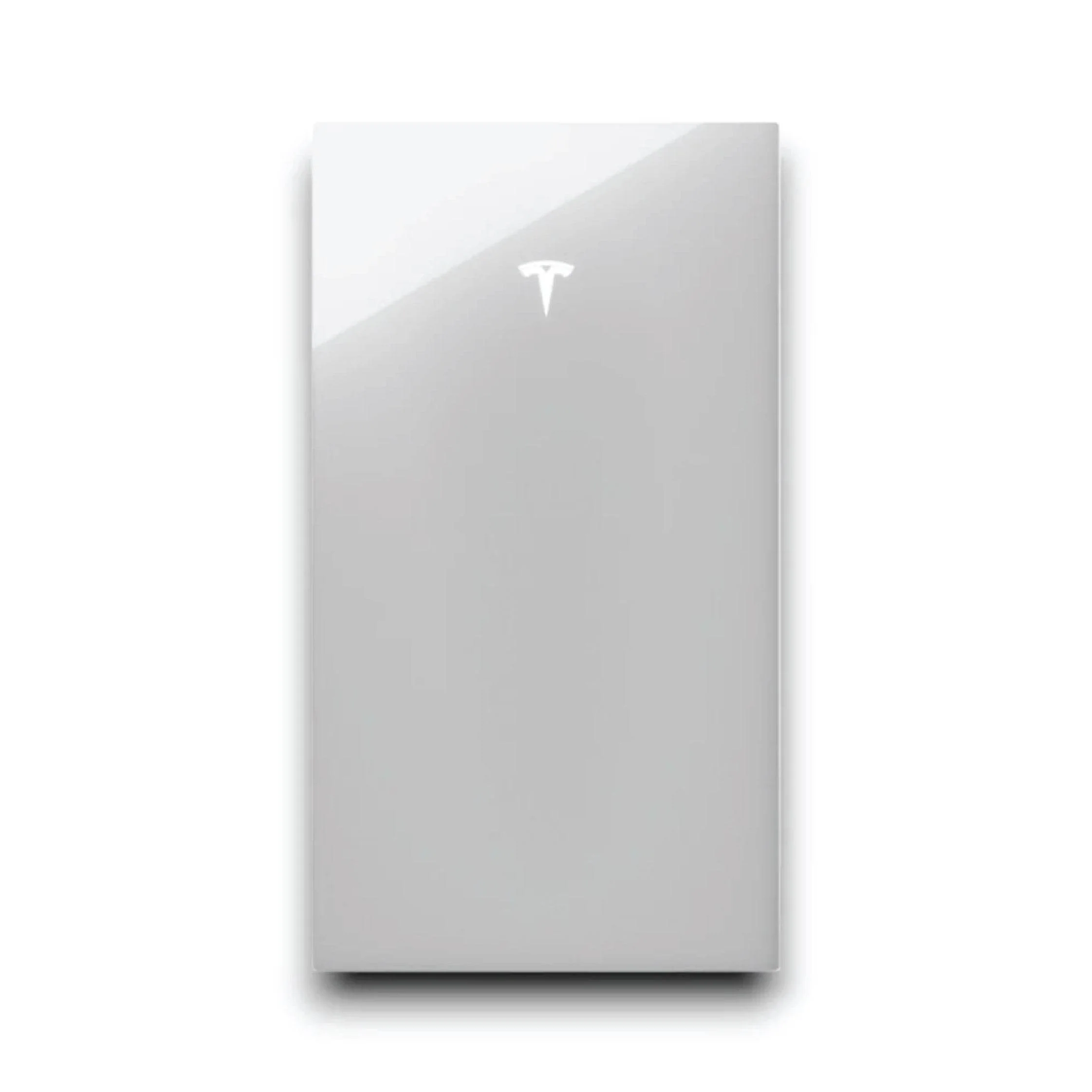
The reference point every other home battery is measured against. Price shown is typical installed cost ($13,000-16,500 in 2026, roughly $9,300-11,500 hardware). One unit delivers 11.5kW continuous with a 185A locked-rotor start rating - enough to run and start central air - plus an integrated 6-MPPT solar inverter that eliminates a separate inverter purchase. LFP chemistry, 97.5% efficiency, 10-year warranty. Owner sentiment: the app is universally called the best in the industry, and per-kWh installed cost is hard to beat. The complaints are real though: a subset of owners report a persistent two-tone hum/vibration from the cooling system audible through garage walls, support tickets that stall between Tesla and third-party installers, and quote quality varies enormously by installer. Expansion packs (13.5kWh, no inverter) bring a unit to 54kWh.
FranklinWH
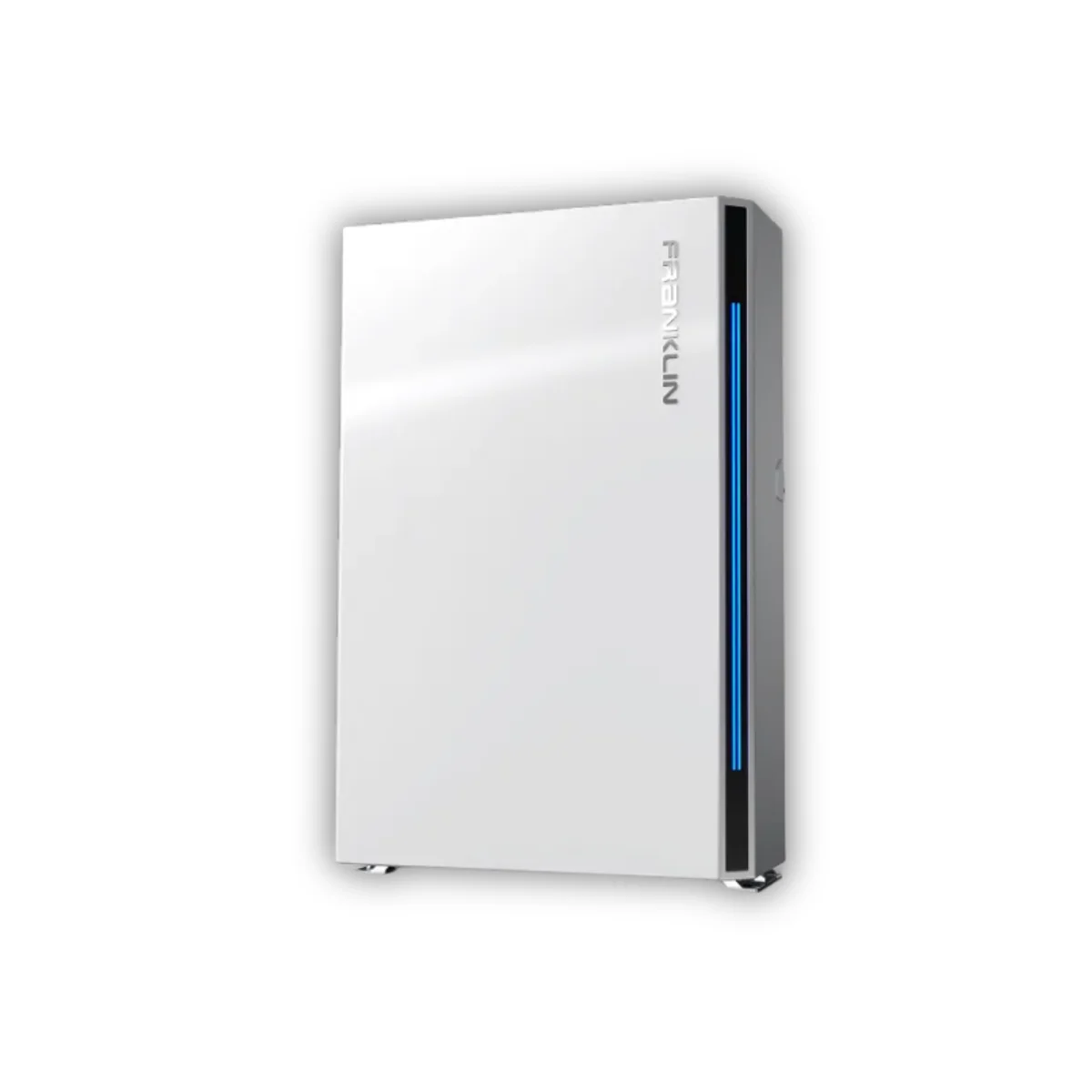
FranklinWH aPower 2
The Powerwall alternative installers keep steering people toward in 2026, and owner satisfaction scores back them up. One cabinet holds 15kWh - the most storage per unit of any mainstream battery - with 10kW continuous and a 15kW/10-second surge rated to start a 5-ton air conditioner. Price shown is typical installed cost with the aGate controller ($12,000-20,000 depending on market). Because it's AC-coupled, it retrofits onto any existing solar inverter brand - the single biggest reason people pick it over Powerwall 3. The aGate handles whole-home transfer plus generator and even EV-as-load integration. Owner gripes are modest: quotes vary widely between dealers, the app covers essentials but lacks Tesla's polish and power-user data, and the dealer network, while growing fast, is thinner than Tesla's. Expansion runs to a ridiculous 225kWh across 15 units.
EcoFlow
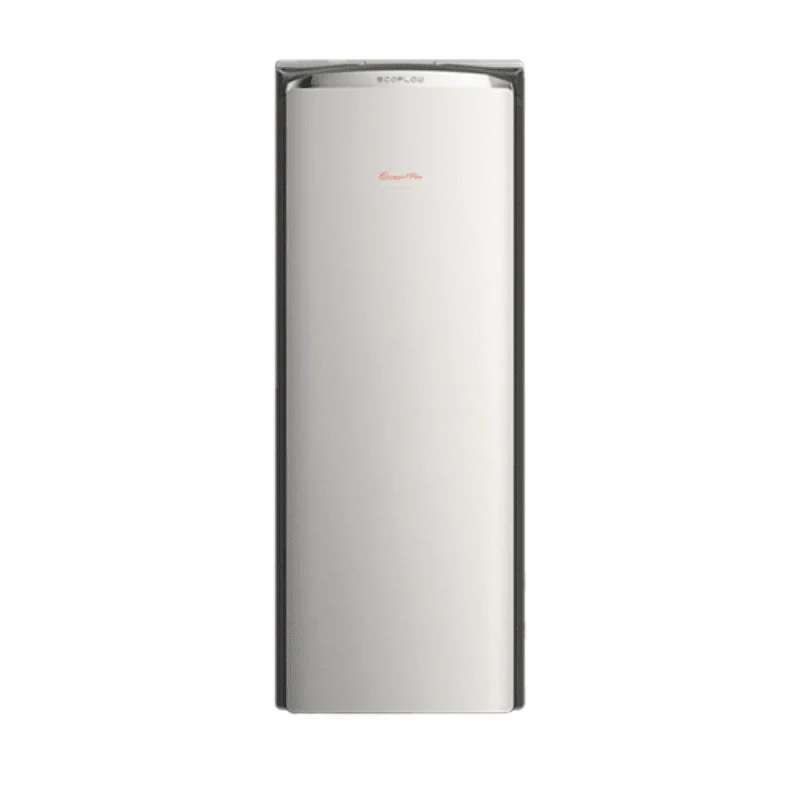
EcoFlow OCEAN Pro
EcoFlow's 2026 leap from portable stations into permanently-installed storage, and on paper it's a monster: 10kWh IP67 modules stacking to 80kWh per inverter, a hybrid inverter platform rated to 24kW output with 205A LRA motor-start, 40kW of solar input, an integrated Smart Electrical Panel 40 and 11.5kW EV charger, plus a 15-year warranty that beats everyone except Enphase's on paper. Pricing is quote-only through certified installers - the price shown is an estimated installed starting system (inverter + battery + smart panel) based on early published system ranges; treat it as directional, not gospel. Because it launched this year, real owner history is thin: early impressions praise the AI-driven time-of-use optimization and the whole-ecosystem integration, while the obvious cautions are a brand-new installer network, unproven long-term support for installed products from a portable-power company, and unknown service logistics.