Head to head
Anker SOLIX F2000 (PowerHouse 767) vs Anker SOLIX F3800 Plus
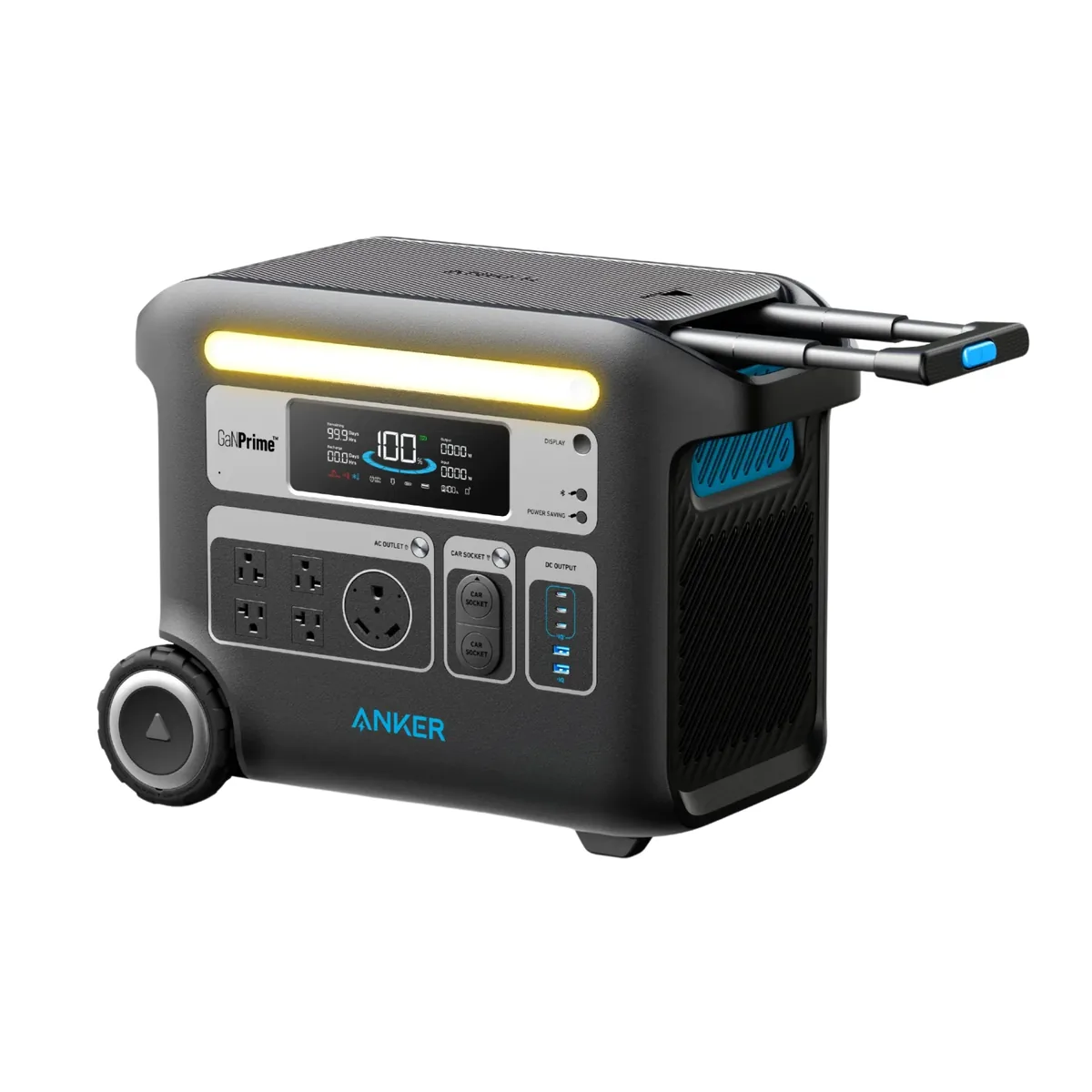
Anker · Power Station
Anker SOLIX F2000 (PowerHouse 767)
~$999
2,400 W / 3,600 W surge · up to fridge, freezer and the essentials
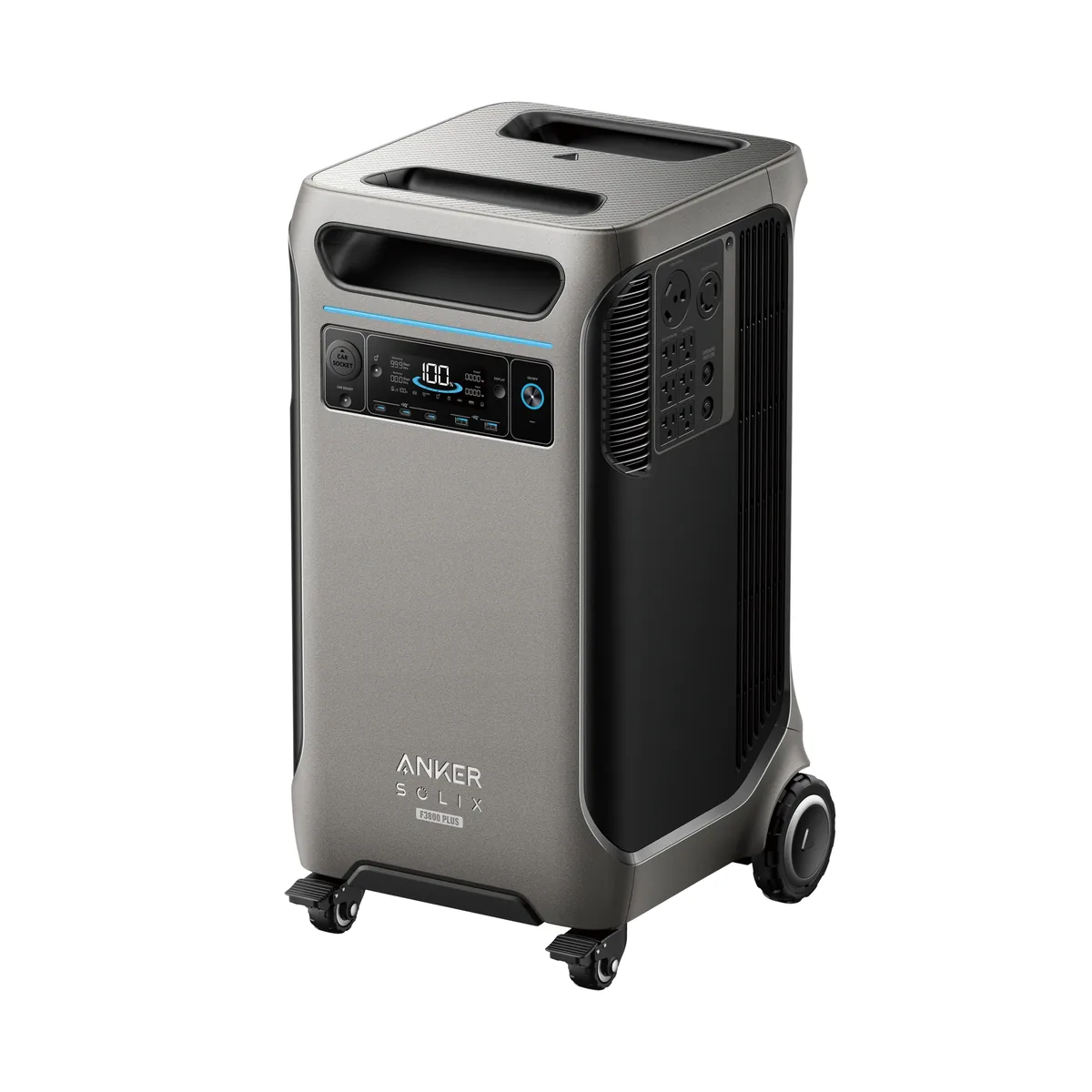
Anker · Power Station
Anker SOLIX F3800 Plus
~$2,499
6,000 W / 9,000 W surge · up to furnace blower, sump pump or a window AC
Quick takeThe Anker SOLIX F2000 (PowerHouse 767) lists about $1,500 lower; the Anker SOLIX F3800 Plus puts out more sustained power (6,000 W).
| Spec | Anker SOLIX F2000 (PowerHouse 767) | Anker SOLIX F3800 Plus |
|---|---|---|
| Approx. price | ~$999 | ~$2,499 |
| Type | Power Station | Power Station |
| Fuel | Battery (LiFePO4) | Battery (LiFePO4) |
| Running / output watts | 2,400 W | 6,000 W |
| Starting / surge watts | 3,600 W | 9,000 W |
| Battery capacity | 2,048 Wh | 3,840 Wh |
| Expandable to | 4,096 Wh | 53,760 Wh |
| Noise | — | — |
| Runtime | Fridge (~150W): ~11.5 hrs on base unit | Fridge (~150W): ~22 hrs on base unit |
| Outlets | 4x 120V 20A AC, 1x TT-30 RV, 3x 100W USB-C, 2x USB-A, 2x 12V car | 6x AC incl. 240V NEMA 14-50 & L14-30, 3x USB-C, 2x USB-A, 12V car |
| Fuel tank | — | — |
| Weight | 67.2 lbs | 132 lbs |
| Transfer-switch ready | No | Yes |
| Warranty | 5-year | 5-year |
Highlighted cell is the better figure for that row.
Owner pros and cons
Anker SOLIX F2000 (PowerHouse 767)
- +Wheeled suitcase form factor - easiest 2kWh unit to move solo
- +2400W with 3600W SurgePad handles RV air conditioners
- +3x 100W USB-C - great port loadout even by 2026 standards
- +5-year full-device warranty
- +Frequently discounted to $799-899
- −No true UPS mode - switchover gap rules out server/CPAP duty
- −1000W solar ceiling is dated for a 2kWh unit
- −Older app platform lacks scheduling and fine-grained controls
- −Only one expansion battery supported (4kWh max)
Anker SOLIX F3800 Plus
- +6000W/240V split-phase from one unit - plugs into standard generator inlets
- +NEMA 14-50 enables emergency EV charging, a genuinely unique trick
- +Expands to 26.9kWh per unit, 53.8kWh paired
- +3,200W solar input recharges the base unit in under 2 sun-hours
- +Gas generator input for indefinite off-grid runtime
- +$2,499 permanent pricing is the best $/kWh among 240V portables
- −Known ferrite-bead buzz under load; firmware patch reduced but didn't eliminate it
- −Fans are loud during fast charging - garage placement recommended
- −132 lbs; wheels are small and struggle off pavement
- −Home Power Panel adds ~$1,500+ plus electrician for panel integration