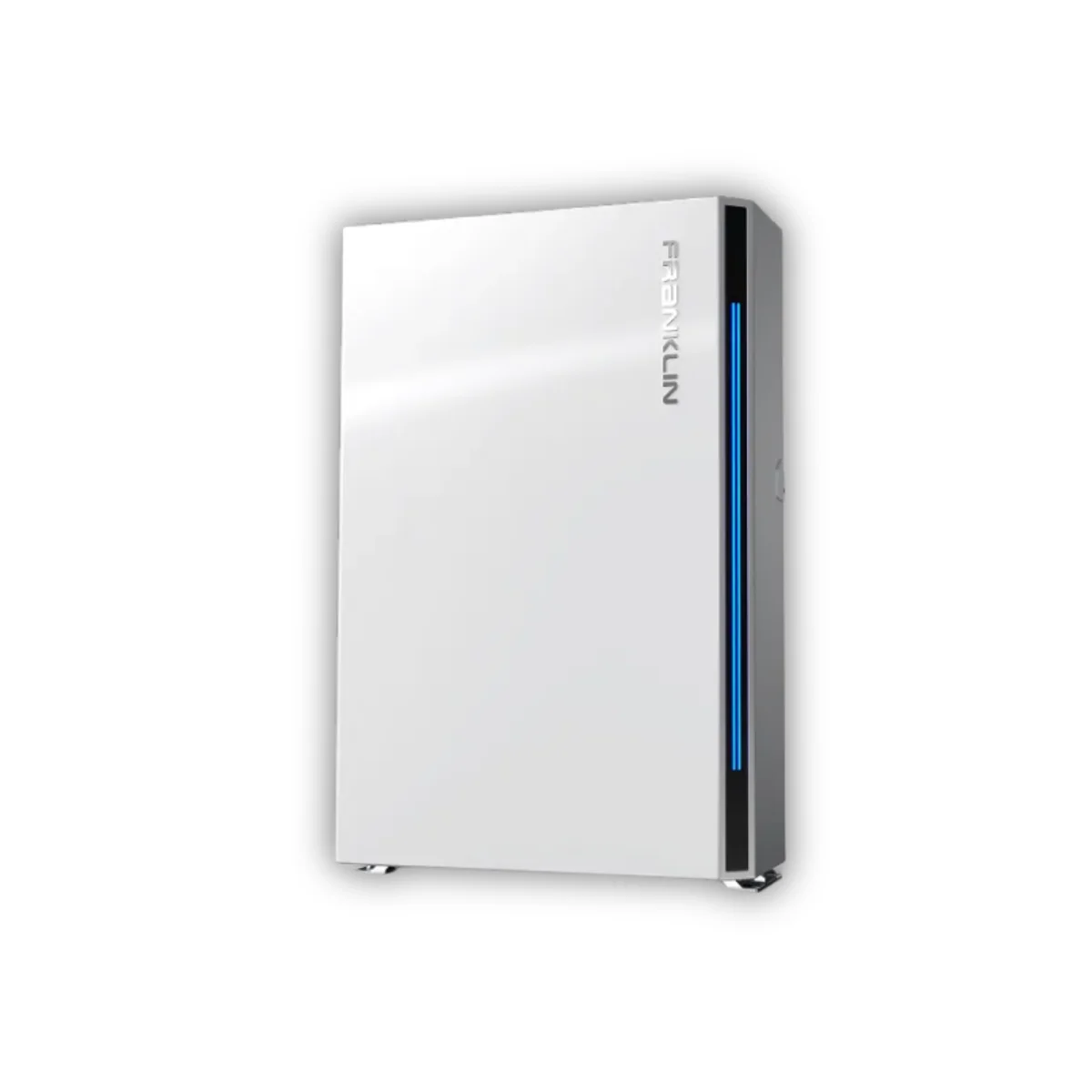
FranklinWH
FranklinWH aPower 2
The Powerwall alternative installers keep steering people toward in 2026, and owner satisfaction scores back them up. One cabinet holds 15kWh - the most storage per unit of any mainstream battery - with 10kW continuous and a 15kW/10-second surge rated to start a 5-ton air conditioner. Price shown is typical installed cost with the aGate controller ($12,000-20,000 depending on market). Because it's AC-coupled, it retrofits onto any existing solar inverter brand - the single biggest reason people pick it over Powerwall 3. The aGate handles whole-home transfer plus generator and even EV-as-load integration. Owner gripes are modest: quotes vary widely between dealers, the app covers essentials but lacks Tesla's polish and power-user data, and the dealer network, while growing fast, is thinner than Tesla's. Expansion runs to a ridiculous 225kWh across 15 units.
Specifications
Highlights
What owners like
- ✓15kWh per cabinet - best single-unit capacity in the industry
- ✓15kW surge starts 5-ton HVAC without soft-start kits
- ✓AC-coupled: compatible with any existing solar inverter brand
- ✓aGate integrates generator input for indefinite outage endurance
- ✓Consistently high owner-satisfaction and installer-recommendation scores
- ✓Outdoor-rated -4°F to 122°F with 12-year warranty
Common complaints
- ✗Installed quotes vary by thousands between dealers
- ✗App is functional but data-thin next to Tesla's
- ✗12-year warranty trails Enphase's 15
- ✗357 lbs requires two-plus installers and solid wall mounting
- ✗Newer dealer network than Tesla/Generac in some regions
Owner Insightssummarized from Reddit and owner forums
The aPower 2 has become the battery installers volunteer when a homeowner walks in asking for a Powerwall - and the pitch usually lands on three things Tesla can't offer: a 15kWh single cabinet, AC-coupling that bolts onto any existing solar inverter, and an aGate controller with a native generator input. That last one is quietly the biggest deal in the lineup. For rural owners and hurricane-belt buyers, being able to run battery-first and have a standby generator kick in automatically when state of charge drops is the difference between riding out a day-long outage and riding out a week-long one. The 10kW continuous / 15kW surge output starts big HVAC, and owner outage reports back the spec sheet up.
Installed quotes cluster between $15,000 and $20,000 for one battery plus aGate, with a $17,500 median showing up repeatedly - a bit above single-Powerwall money - and multi-battery pricing improves fast, with owners citing around $12,800 per additional unit. Whole-home backup through the aGate's 200A pass-through is the default configuration rather than an upgrade, which is why so few aPower 2 threads involve critical-loads-panel regret. The ownership gripes are software and structure, not hardware: the app covers essentials but loads its main view slowly, push notifications have missed genuine system faults - one owner lost two days of production before noticing - and support is installer-first by design, which is great with a good dealer and frustrating with a mediocre one. Hardware failure threads are notably rare.
This is the strongest pick for retrofits onto existing solar and for anyone pairing storage with a generator - two scenarios where Powerwall 3 is respectively awkward and unsupported. Cross-shoppers weigh it against Powerwall 3 (cheaper per kWh, better app, but DC-coupled architecture that complicates retrofits and no generator integration) and Enphase 5P stacks (longer track record, but far more money for the same energy). The recurring owner verdict: FranklinWH wins on system design and loses on software polish, so buy it for the aGate, not the app - and vet your dealer, because they are your support department.
What owners like
- +Generator input on the aGate is the killer feature - battery plus standby generator orchestration no Tesla setup matches
- +15kW surge starts 5-ton AC compressors that make smaller batteries fault, and owners confirm it in outage threads
- +Works with whatever solar inverter you already own - the retrofit story is why installers pitch it over ripping out equipment
- +Additional units get cheaper: owners cite roughly $12,800 per battery after the first versus $15,500 for unit one
- +Smart Circuits let you remotely kill chosen loads mid-outage from the app to stretch runtime
- +One 15kWh cabinet often covers what takes two smaller rival units, saving wall space and wiring
- +Installer enthusiasm is unusually high - crews on the forums call it the easiest whole-home commissioning they do
- +Quiet operation with no widespread hum complaints, a contrast owners draw against Powerwall threads
Common complaints
- −Push notifications are unreliable - one owner lost two days of solar production before noticing a fault the app never surfaced
- −Support routes through your installer first; if that company is slow or defunct, FranklinWH direct help takes extra time
- −Dealer-only pricing means quotes for identical hardware swing thousands between markets, and owners struggle to benchmark
- −The app's main energy view loads slowly and lacks the raw data export and per-circuit depth power users want
- −AC-coupled round trip is less efficient than DC-coupled rivals when charging from solar
- −VPP and utility program participation is thin compared to Tesla's established territories
- −The aGate is a large second wall box on top of the battery cabinet - total footprint surprises people
- −No self-install path - the certified dealer network is growing but still misses whole regions
Common Questions
Can one aPower 2 back up my entire house?
Does the aPower 2 work with my existing solar panels?
How does the generator integration actually work?
What warranty does FranklinWH offer?
Is FranklinWH a risky bet compared to Tesla or Enphase?
How much should I expect to pay?
Compare the FranklinWH aPower 2
Related units
More from FranklinWH →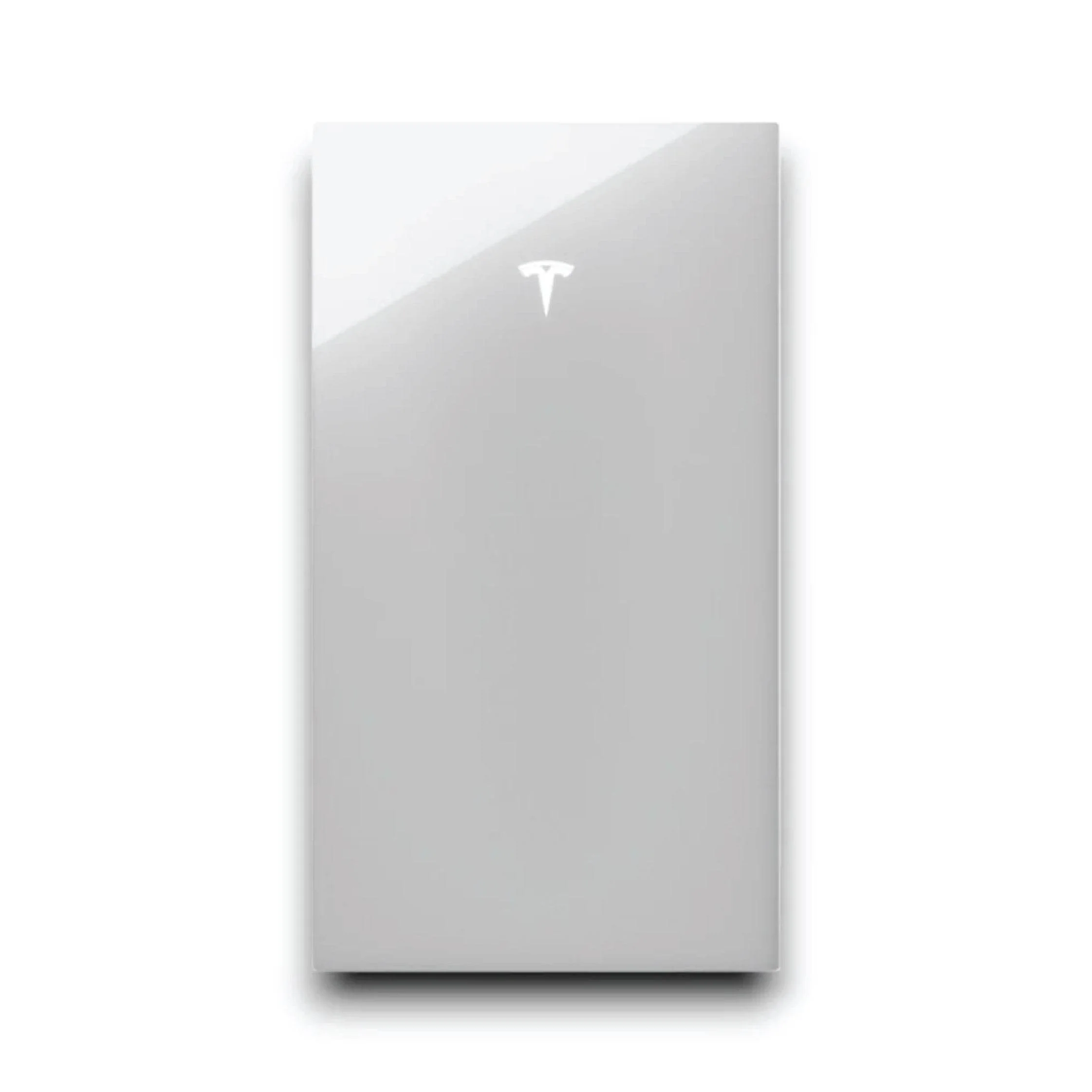
Tesla
Tesla Powerwall 3
The reference point every other home battery is measured against. Price shown is typical installed cost ($13,000-16,500 in 2026, roughly $9,300-11,500 hardware). One unit delivers 11.5kW continuous with a 185A locked-rotor start rating - enough to run and start central air - plus an integrated 6-MPPT solar inverter that eliminates a separate inverter purchase. LFP chemistry, 97.5% efficiency, 10-year warranty. Owner sentiment: the app is universally called the best in the industry, and per-kWh installed cost is hard to beat. The complaints are real though: a subset of owners report a persistent two-tone hum/vibration from the cooling system audible through garage walls, support tickets that stall between Tesla and third-party installers, and quote quality varies enormously by installer. Expansion packs (13.5kWh, no inverter) bring a unit to 54kWh.
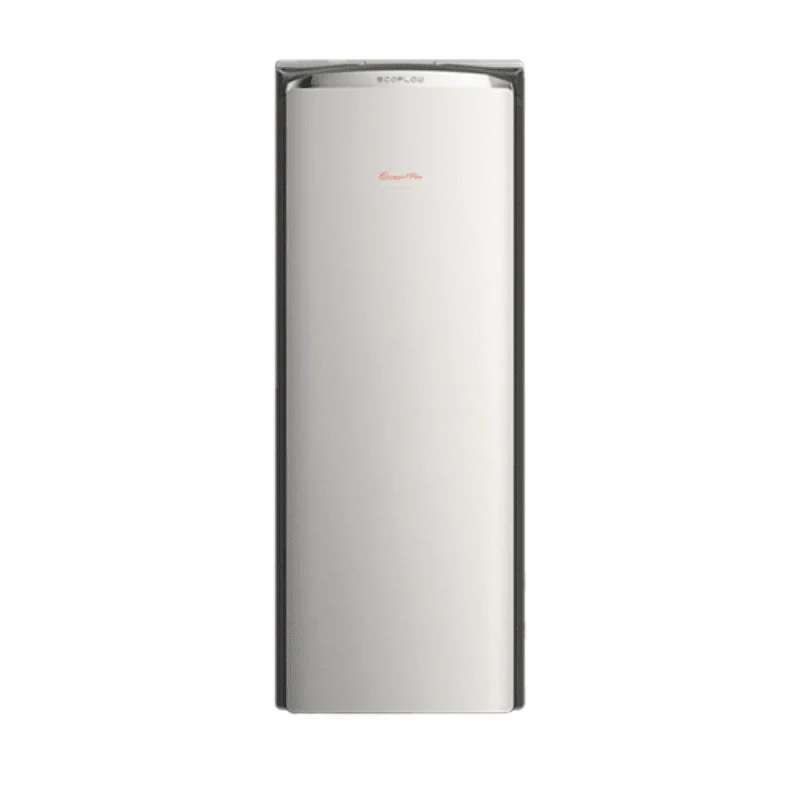
EcoFlow
EcoFlow OCEAN Pro
EcoFlow's 2026 leap from portable stations into permanently-installed storage, and on paper it's a monster: 10kWh IP67 modules stacking to 80kWh per inverter, a hybrid inverter platform rated to 24kW output with 205A LRA motor-start, 40kW of solar input, an integrated Smart Electrical Panel 40 and 11.5kW EV charger, plus a 15-year warranty that beats everyone except Enphase's on paper. Pricing is quote-only through certified installers - the price shown is an estimated installed starting system (inverter + battery + smart panel) based on early published system ranges; treat it as directional, not gospel. Because it launched this year, real owner history is thin: early impressions praise the AI-driven time-of-use optimization and the whole-ecosystem integration, while the obvious cautions are a brand-new installer network, unproven long-term support for installed products from a portable-power company, and unknown service logistics.
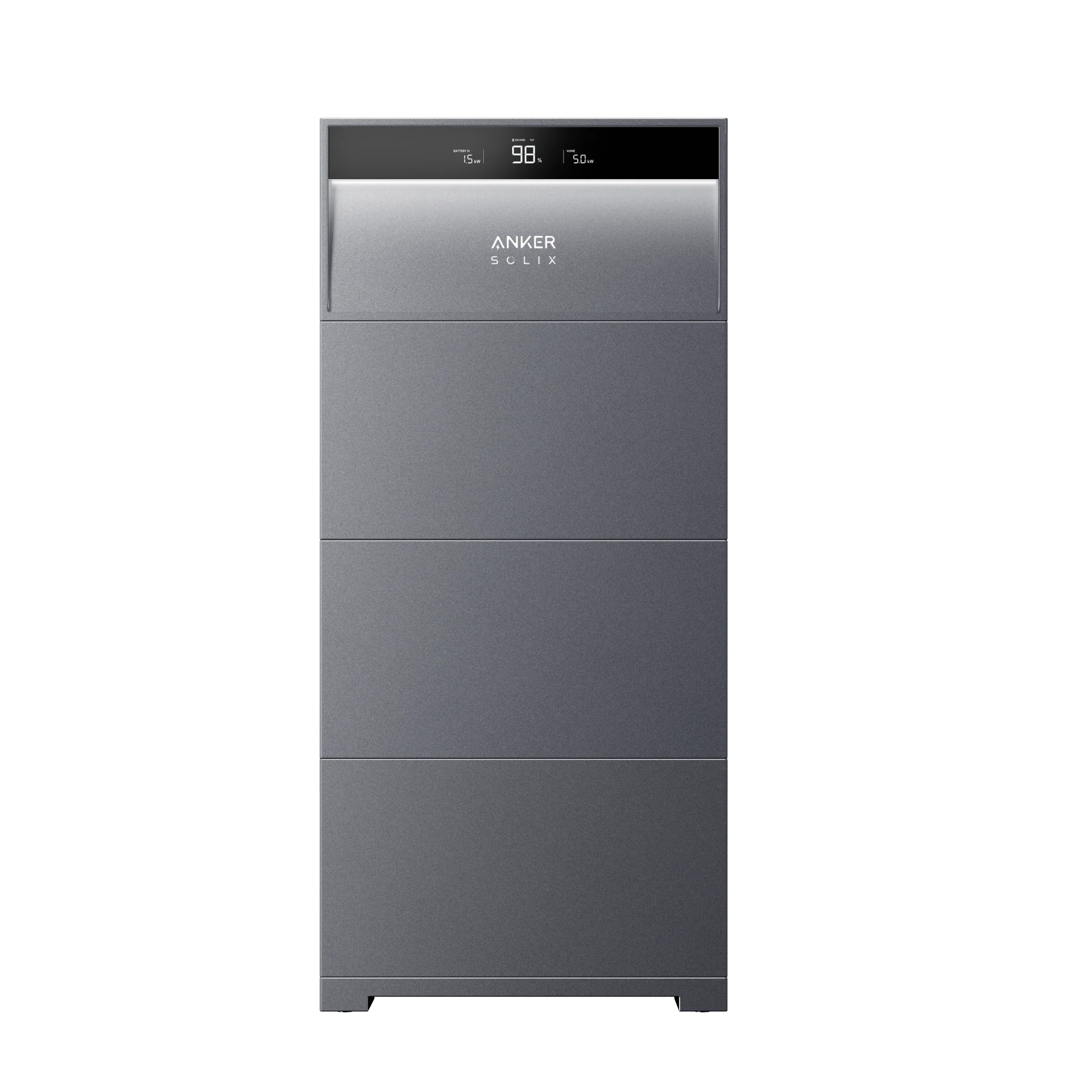
Anker
Anker SOLIX X1
Anker's professionally-installed system, built from slim 5kWh modules into the best-looking cabinet in the business - reviewers keep calling it the battery you don't need to hide. Price shown is a typical installed 15kWh configuration (~$9,750-11,000 hardware plus $1,500-5,000 installation). The 6kW/12kW-peak power module handles essential-loads or whole-home duty, modules run at full power from -4°F thanks to per-pack thermal management, and systems parallel to a monstrous 180kWh. Reviewers praise the modular economics - add 5kWh at a time instead of a whole second cabinet. The catch owners and forum threads flag: the certified-installer network is much thinner than Tesla's or Enphase's, so quotes swing wildly and some regions simply have no coverage; the app is solid but young; and 12kWh usable from the '15kWh' stack (90.2% round-trip) needs reading of the fine print.
SolarEdge
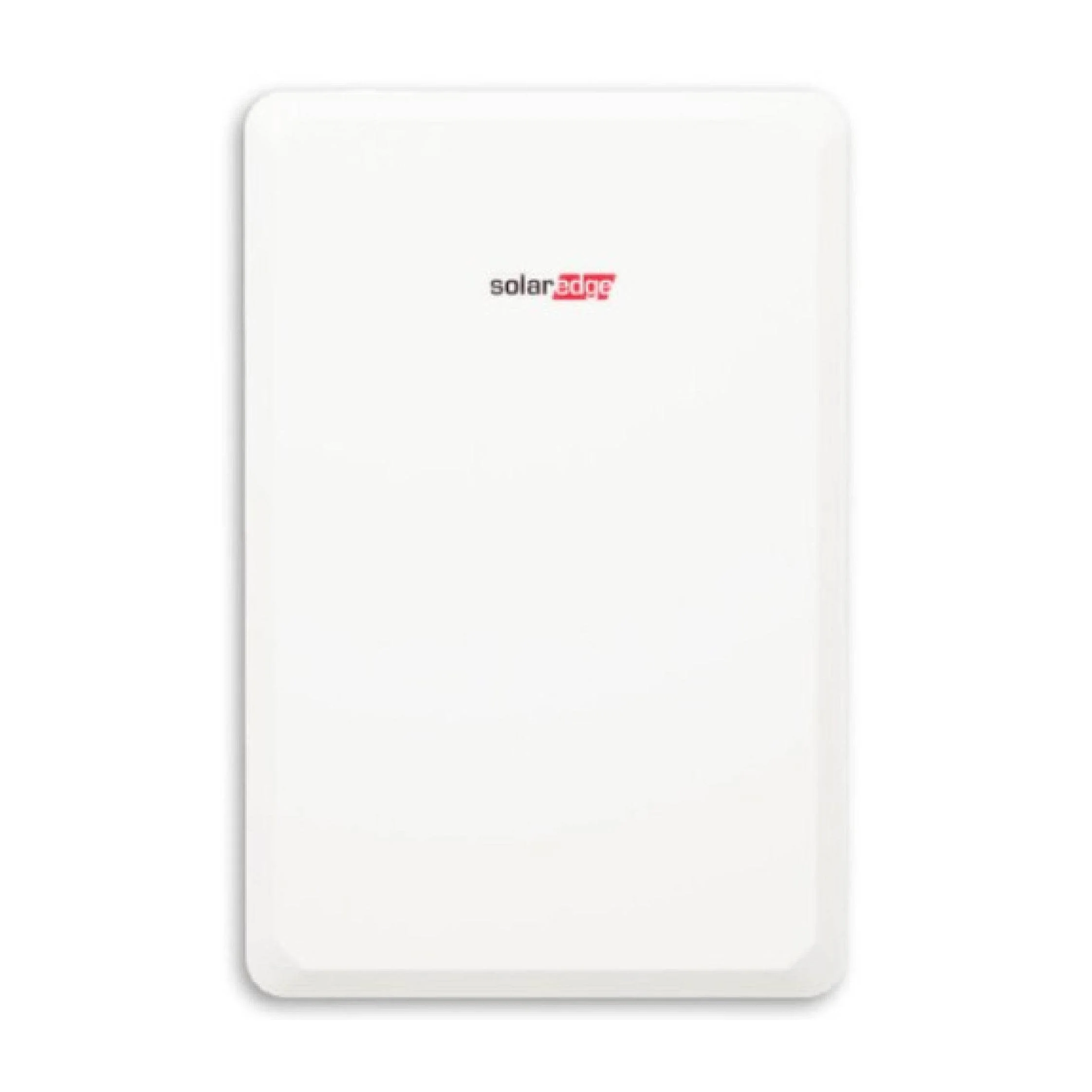
SolarEdge Home Battery
The default add-on for the millions of homes already running SolarEdge inverters. Its DC-coupled architecture is the technical selling point: solar charges the battery without a DC-AC-DC round trip, giving 94.5%+ efficiency - the best path from panel to stored kWh of anything here. 9.7kWh usable, 5kW continuous (7.5kW/10s peak), stacking three-high to 29.1kWh on one Home Hub inverter. Price shown is a typical installed cost; projects commonly land $7,000-15,000 depending on region and wiring. The caveats owners raise: it's NMC chemistry in an increasingly LFP world, 5kW continuous won't start big HVAC without careful load design, it only works within the SolarEdge ecosystem, and SolarEdge's post-2023 corporate turbulence plus mixed support reviews give some buyers pause. For existing SolarEdge homes though, nothing else integrates as cleanly.
Generac
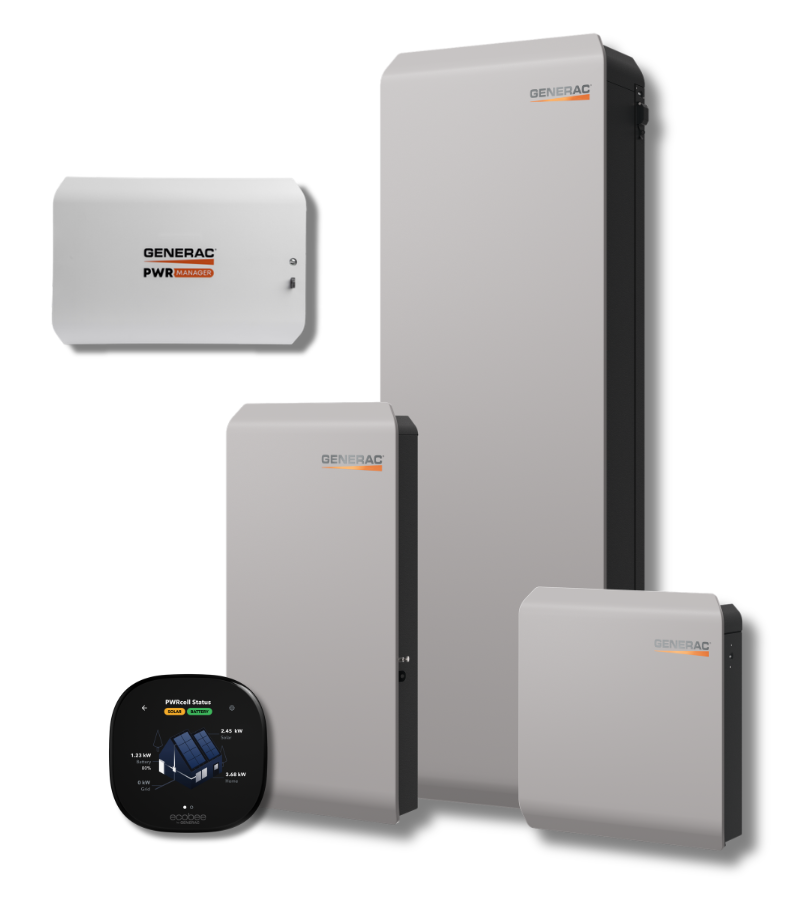
Generac PWRcell 2
The generator company's modular battery play: a cabinet holding three to six 3kWh NMC modules (9-18kWh), so you can start small and slot in ~$2,500 modules later - a genuinely different upgrade path from fixed-capacity rivals. Price shown is estimated installed cost for a full 18kWh cabinet; a 9kWh starter system runs $17,000-21,000 installed, which owners and reviewers consistently flag as expensive per kWh versus Powerwall 3. Where it earns its keep is ecosystem: PWRmanager load management sheds circuits automatically, it integrates cleanly with Generac standby generators for indefinite outages, and every system ships with an Ecobee smart thermostat. The baggage: PWRcell 1's SnapRS connector failures left a support-reputation scar that owner forums haven't forgotten, the NMC chemistry is less thermally forgiving than the LFP everyone else moved to, and dealer-only pricing makes apples-to-apples quotes difficult.
Enphase
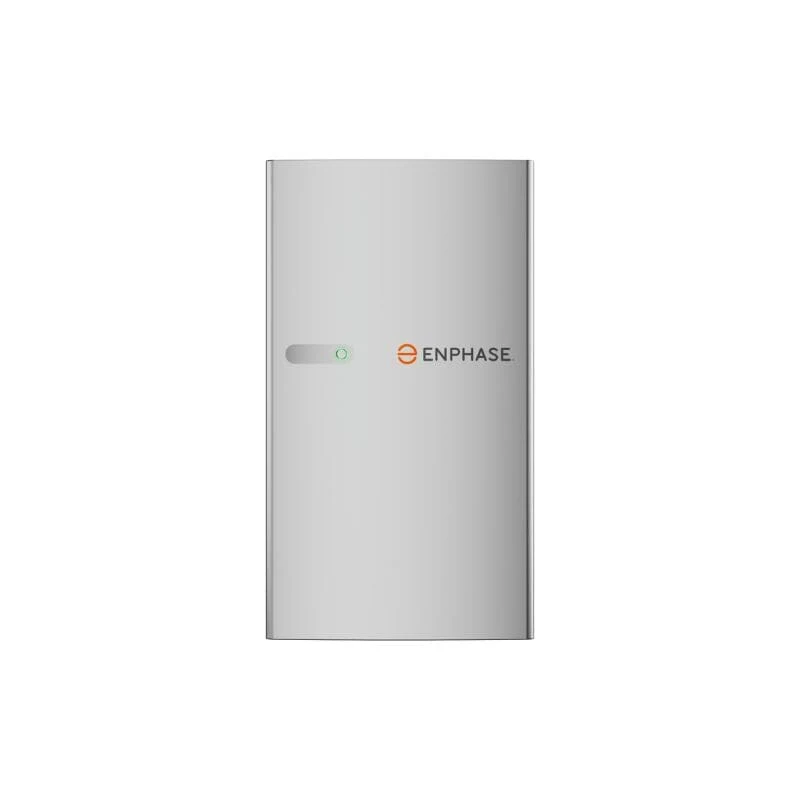
Enphase IQ Battery 5P
The modular, reliability-first choice - especially for homes already running Enphase microinverters. Each 5kWh module contains six grid-forming microinverters producing 3.84kW continuous (7.68kW peak for motor starts), and you stack modules to fit the budget. Price shown is typical installed cost per module ($5,000-8,000 depending on region and whether a System Controller is included). The 15-year/6,000-cycle warranty is the longest in the industry by five years, and it's the spec owners cite most when justifying the premium. The criticism is always the same: per-kWh cost runs $1,000-1,600 installed - roughly double a Powerwall 3 - and whole-home backup realistically needs three-plus modules and the IQ System Controller before it starts a heat pump. Owner sentiment on the Enphase app and the no-single-point-of-failure architecture is very positive; sentiment on the final invoice less so.